
How Forgotten Fabrics Sparked a New Kind of Inspiration
PAGE
By PAGE Editor
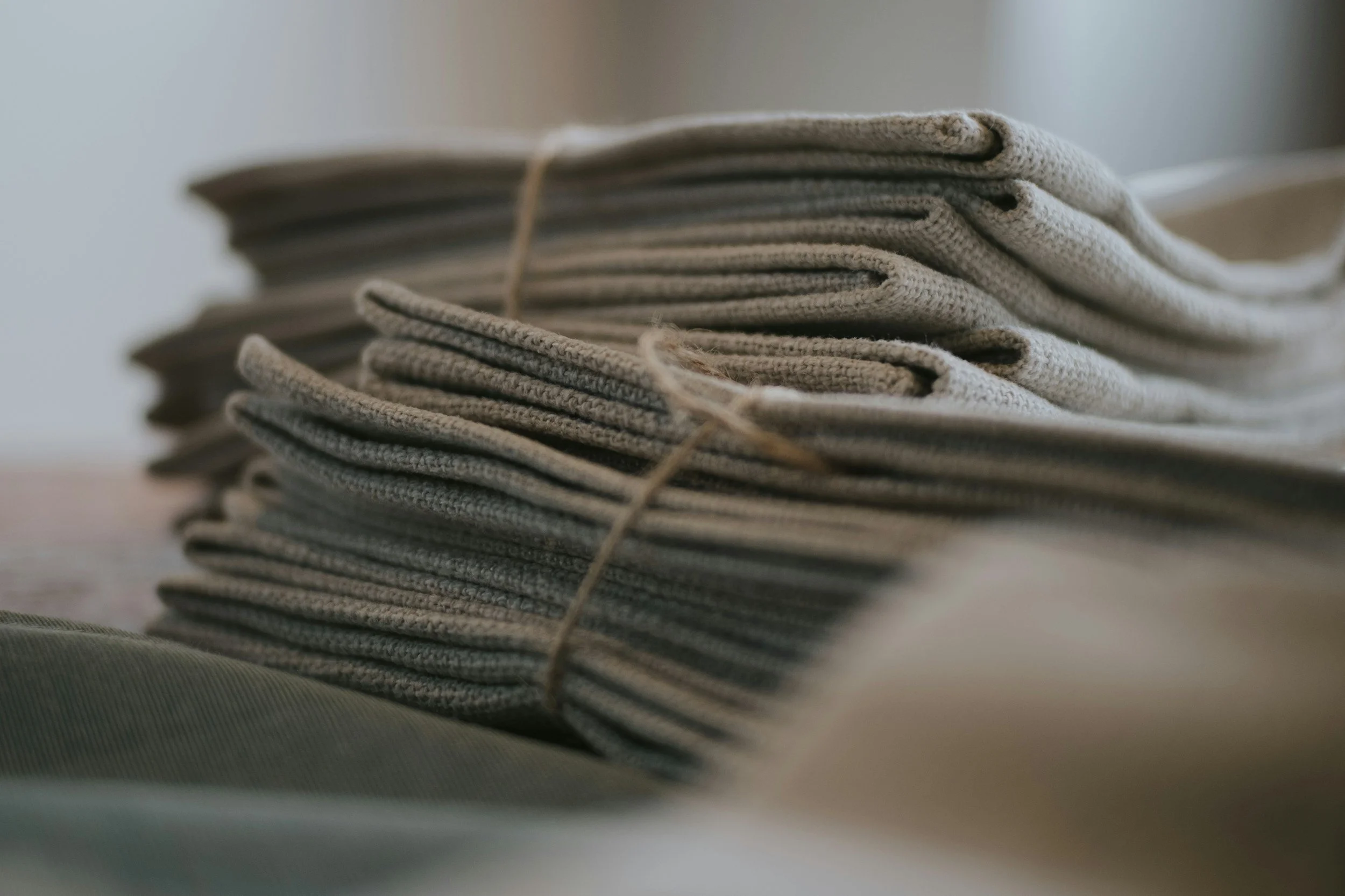
We began working with materials that many people once overlooked. Rolls of beautiful fabrics created for designers and fashion houses, yet never used. These textiles were not damaged or outdated. They were simply left behind when a collection changed direction or when a mill produced more than needed. The first time we unrolled one of these forgotten fabrics, a soft French silk or a textured Italian wool, we felt something shift. This was not a waste. This was a possibility.
There is a quiet magic in touching a fabric that almost never had a chance to become what it was meant to be. The weave, the weight the subtle depth of color all reveal the care that went into making it. These qualities are rarely found in mass production. That is why such fabrics inspire us. They carry a sense of intention even before they become clothing.
Over time, we learned the stories behind these rolls. A canceled order, a last-minute palette change, a runway concept that moved in a new direction. None of it reflected the value of the fabric itself. These materials only needed someone willing to see their potential. Rescue them. Work with them. Give them life.
Bringing forgotten fabrics back into the creative world changed how we understand fashion. We no longer see fabric as something to buy and use quickly. We see it as a starting point for a partnership. When a forgotten roll becomes a dress, a jacket or something entirely unexpected, it feels like witnessing a small kind of magic. A reminder that beauty does not always come from new production. Sometimes it comes from giving what already exists a second chance.
Why Designers Love Deadstock More
Working with deadstock fabrics has shown us how deeply designers value materials with character. Many of them say the same thing. You do not choose deadstock. It chooses you. When a designer unfolds a limited roll of silk wool or jacquard, they see not only texture and color but possibility. The material sets the direction, and the garment grows from there.
In France, designers who work with couture traditions often reach for deadstock because it gives them access to fabrics once intended for houses like Chanel, Dior, and Givenchy. These rolls come from mills that weave with remarkable precision. Their silk has a natural glow. Their tweed holds shape while still feeling soft. Even unused lace from these ateliers carries a level of detail that inspires careful, slow craftsmanship.
In the United States, many independent designers rely on deadstock for a different reason. It allows them to create clothing that feels exclusive without relying on huge production budgets. Some New-York based designers use deadstock wool to craft statement coats. Others choose limited rolls of satin or crepe for evening pieces that appear on red carpets. The uniqueness of each roll ensures that no two garments look the same, which is something celebrities often search for.
Whether in Paris or Los Angeles, designers appreciate deadstock for the same reasons. It encourages creativity, limits waste, and offers fabrics that feel alive. When a garment is made from a material that exists in only one roll, it carries an energy that mass production can never copy. It becomes something personal for the designer and for the person who wears it.
Creating Unique Items
Deadstock fabrics naturally lead to pieces that feel personal. Because each roll is limited, designers often create items that cannot be repeated. A coat made from a single length of Italian wool or a dress cut from a rare French satin carries a quiet individuality. These pieces reflect not only the designer’s vision but also the character of the fabric itself.
Many garments made from deadstock feel almost like artworks. Some designers craft structured jackets that highlight the weight and texture of the material. Others create soft flowing dresses that let silk or chiffon move freely with the body. Accessories also come to life in this world. Bags, scarves, and even small handmade details become special when made from fabrics that exist in limited amounts.
This sense of individuality is what draws so many people to deadstock. When you wear something created from a fabric that will never appear again, you feel a connection to it. It becomes more than clothing. It becomes a moment, a memory a piece of craftsmanship that holds its own story. Deadstock reminds us that uniqueness does not need to be loud. Sometimes it is simply woven into the fabric itself.
Celebrities Seek What Cannot Be Repeated
Celebrities have always looked for clothing that sets them apart, and deadstock fabrics give them exactly that. When a garment is made from a material that exists in only one roll, it becomes something no one else can own. This quiet exclusivity is what draws many well-known artists and actors to pieces crafted from forgotten textiles.
Some stylists say their clients want clothing with a story, not just a label. Deadstock fabrics offer that naturally. A jacket made from a rare Italian wool or a gown cut from a roll of French satin carries history in every thread. It feels personal and intentional, which is why so many stars are drawn to it.
Jared Leto is one example of someone who often chooses pieces made from unusual, limited fabrics. His red carpet looks show how much he values texture, color and individuality. Other celebrities follow the same path, working with designers who use rescued textiles to create one-of-a-kind outfits. They know these garments will never appear again on another person.
For many artists, wearing something made from deadstock is not just about fashion. It is about expression. It is a way to step into a moment that belongs only to them, created from a fabric that exists in a single small chapter of the fashion world.
HOW DO YOU FEEL ABOUT FASHION?
COMMENT OR TAKE OUR PAGE READER SURVEY
Featured



The Antwerp Six book reframes the legendary collective not just as designers, but as products of a culturally charged Antwerp whose tensions and countercultural energy reshaped global fashion for generations.