
How Sensor Technology Improves Accuracy in Manufacturing Processes
PAGE
By PAGE Editor
Modern manufacturing is changing due to sensor technology. It enables machines to control, measure, and monitor processes with a high level of accuracy. Proper information leads to quality, efficiency, and safety of the products.
Sensor Technology in Manufacturing: What Is It?
Any change that can be detected through physical, chemical, or environmental parameters comes under the field of sensor technology. These sensors transform the gathered information into the signals that can be used by the machines and controllers. For more information, click here.
Common sensors include:
Temperature sensors
Pressure sensors
Close-ranged and distance detectors.
Photoelectric and optical sensors.
They provide real-time data that is used to optimize production.
Why accuracy matters in manufacturing.
Certitude is essential to manufacturing due to the following reasons:
Ineffective accuracy results in flawed products.
Re-work and wastage raraisexpenditures.
The risk of safety can be undermined in the vital industries.
Accuracy has an influence on brand image and consumer satisfaction.
Sensors can be used to ensure high accuracy levels throughout the production process.
Sensor Technology in the application.
1. Electronics Manufacturing
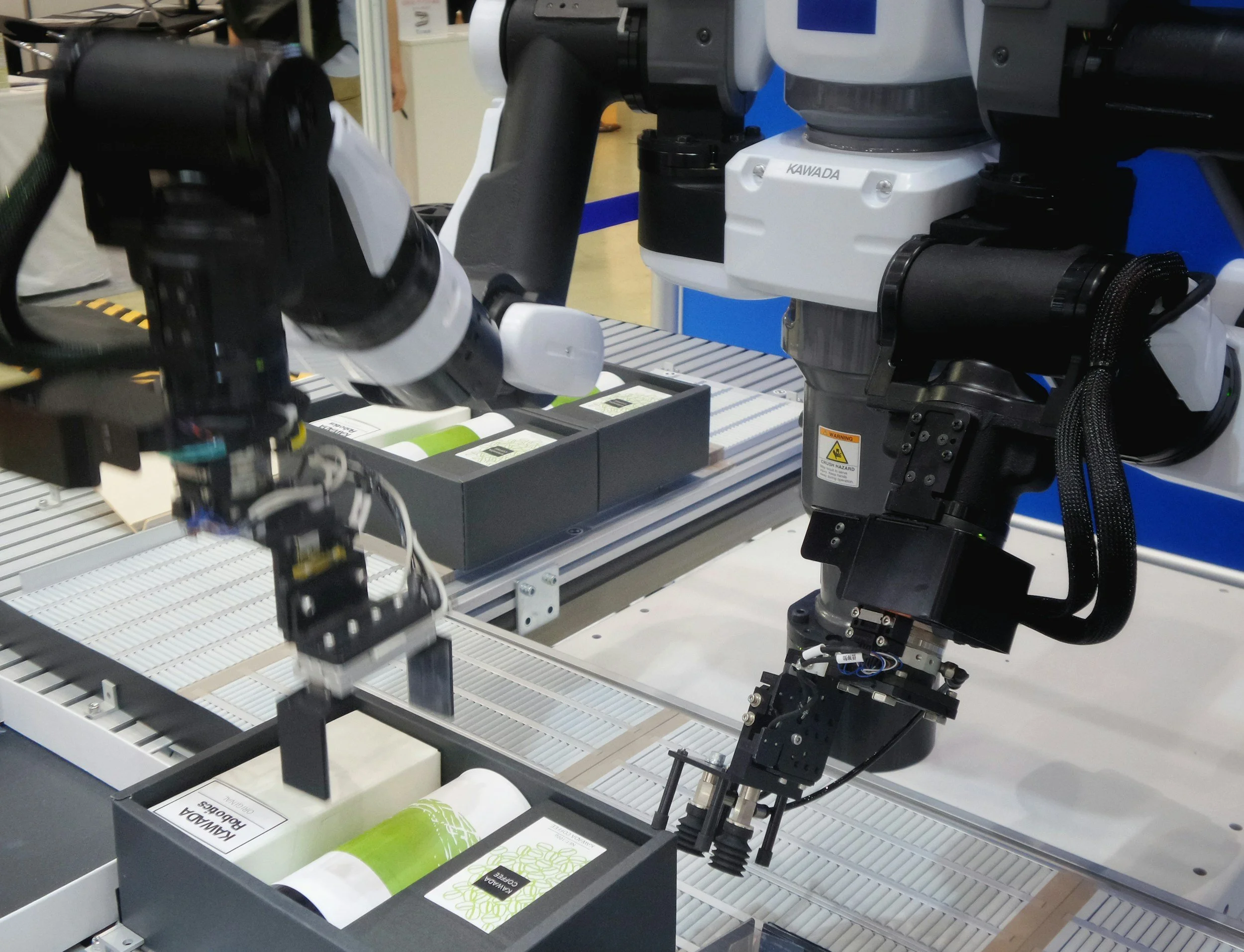
Robotics and sensors are used in the monitoring of assembly lines. They make sure that the components are properly placed and show no mistakes.
2. Automotive Industry
Precision used in engine components, chassis, and even the paint is regulated by sensors. They minimize the flaws and enhance the safety of the vehicles.
3. Food and Beverage Industry
The sensors are used to control temperature, pressure, and flow in the processing. They also guarantee quality, hygiene,ne and consistency of the end products.
4. Pharmaceutical Industry
The sensors are used to ensure drugs are produced under precise conditions. Precision leads to effectiveness, risk-free adherence to the rules.
The improvement of Accuracy by Sensors.
Sensors enhance precision in several ways:
Real-Time Monitoring - Real-Time monitoring detects deviations.
Adaptive automatics - The machines rectify mistakes automatically.
Data Logging - Gives reports on quality control and streamlining processes.
Feedback Systems - Sensors control machines towards accurate operations.
Major sensor functions to increase accuracy.
Temperature, speed, and pressure measurement.
Getting the position and movement of components.
The chemical composition and flow rates.
Standardizing and standardizing products.
Tips for Installing Sensor Technology.
Coming up with crucial processes that should be monitored accurately.
Make the right choice of sensors in the environment.
Combine sensors, automation, and control systems.
Calibration and maintenance of sensors should be performed regularly.
Authorize employees at the railways to read the sensor data and respond optimally.
These steps will allow for the most accurate and efficient.
Challenges in Sensor Implementation.
There are difficulties involved in implementing sensors:
Severe conditions could have an impact on sensor performance.
Inaccuracy can be diminished by the effect of calibration errors.
high starting prices of sophisticated sensors.
Older machines can be complicated to integrate into.
These problems are overcome through proper selection, maintenance, and training assistance.
Future of Sensor Technology in Manufacturing
The Industry 4.0 and smart factories are changing sensor technology. Trends include:
IoT sensors Remote monitoring.
Machine learning and AI are based on predictive adjustments.
Small sensors for small and ultra-sensitive usage.
Sustainable sensor solutions areeco-friendlyy.
The manufactured products will also be enhanced through these innovations.
Conclusion
Making use of sensor technology is crucial to accuracy in the manufacturing processes. It makes sure that there is accuracy in operations, fewer defects, and greater efficiency.
Those companies using the opportunities of sophisticated sensors experience greater quality, reduced costs, and improved competitiveness. With the introduction of technology, sensors will continue to form an important part of proper and quality manufacturing across the globe.
HOW DO YOU FEEL ABOUT FASHION?
COMMENT OR TAKE OUR PAGE READER SURVEY
Featured




Explore how professional risk management services can enable organisations to protect people, assets, operations, and reputation - using professional information, advantages, and worldwide solutions.