
How Strategic Renovations Boost Resale Without Overbuilding
PAGE
By PAGE Editor
The modern homeowner is more informed than ever before. With access to home design trends, market data, and real estate insights at their fingertips, people are no longer improving their homes just for beauty—they’re thinking about value, function, and return on investment, notes Spectrum Property Management experts. But in a market that can shift quickly, the smartest path forward isn’t necessarily about going bigger. It’s about going smarter.
There’s a rising awareness that not all home improvements yield equal results. Some upgrades may cost more than they return at resale. Others, despite seeming simple, can dramatically impact home value, buyer perception, and energy efficiency. Knowing the difference is where long-term gain is found.
This article explores how homeowners can unlock real financial and lifestyle value through targeted, strategic updates—without overbuilding or overspending.
Understanding Return on Investment in Home Improvements
Why ROI Matters More Than Ever
In today’s real estate climate, a home’s resale value plays a key role in renovation decisions. Gone are the days of updating purely for aesthetics or comfort. Now, homeowners want reassurance that what they’re investing in will come back to them—either through a higher sale price or faster time on the market.
However, calculating ROI isn’t just about cost vs. gain. It’s also about how upgrades fit within the expectations of a neighborhood, the longevity of materials used, and how well the improvements enhance usability.
Working with professional Northern New Jersey restoration services helps homeowners ensure that upgrades are aligned not only with personal vision, but with what the market will respond to.
Not All Improvements Pay Equally
Some popular renovations often come with high price tags but don’t add much in resale value. For instance, luxury bathroom remodels or over-customized kitchens may look great, but can limit buyer appeal if they don’t suit mainstream tastes.
On the flip side, modest enhancements—such as energy-efficient windows, fresh interior paint, or updated entryways—often provide high returns because they appeal to a broader range of buyers while improving the home’s practical function.
That’s why focusing on strategic upgrades rather than massive overhauls is often the more lucrative path.
High-ROI Improvements That Make an Impact
Curb Appeal Enhancements
First impressions matter. Simple exterior upgrades like painting the siding, replacing old lighting fixtures, or installing new shutters can have a big effect on how a home is perceived.
These changes are relatively inexpensive but pack a punch, especially in competitive real estate markets. Buyers often form opinions within seconds of seeing a home—making these minor improvements one of the best uses of renovation dollars.
Exterior painting and finishes completed by seasoned contractors like Gikas Painting & Contracting ensure a polished, modern look that can increase buyer interest and perceived value.
Functional Space Conversions
Turning unused areas into purposeful rooms—like finishing a basement or converting an attic into an office—can add real square footage without requiring structural expansion. These changes cater to buyers who are looking for flexibility, whether for remote work, guests, or recreation.
What matters most in these upgrades is how they are presented. Rather than adding luxury finishes, focusing on function, natural light, and accessibility can yield a stronger return.
By sticking to the principles of all home improvements—form, function, and efficiency—homeowners can make smart updates that feel both intentional and cost-effective.
Energy Efficiency Upgrades
Buyers are increasingly concerned about energy costs. That’s why replacing old appliances, adding insulation, sealing windows, or upgrading to a smart thermostat can boost your home’s market position. These upgrades aren’t flashy, but they translate into real savings—and that gets attention.
Even small touches like LED lighting or low-flow plumbing fixtures show attention to detail and sustainability, making the home feel future-ready.
Energy-focused improvements offer some of the best ROI over time because they reduce monthly expenses for current homeowners while attracting eco-conscious buyers.
Avoiding the Trap of Overbuilding
Matching Renovations to Neighborhood Standards
One of the most common mistakes in residential remodeling is “overbuilding”—investing in improvements that far exceed the value norms of the surrounding neighborhood. While the upgrades may be impressive, buyers won’t pay top dollar if the local market doesn’t support it.
For example, adding a third story to a single-story neighborhood might seem like a way to increase square footage, but it can make the home harder to sell in the long run.
The smarter approach is making high-impact improvements that elevate the home to the top of its class—without setting it apart in ways that reduce buyer interest.
When Less Is Actually More
Sometimes, restraint leads to better outcomes. Instead of gutting a kitchen, refinishing cabinets or updating hardware can modernize the space while keeping the budget in check. The same goes for bathrooms—upgrading lighting, mirrors, and flooring often creates just as much visual impact as full remodels.
The goal is to make the home feel cared for, well-maintained, and move-in ready, not necessarily brand new. All home improvements should consider balance: visual upgrades paired with system reliability and cost-conscious decisions.
Future-Proofing Your Home for Maximum Value
Anticipating Buyer Trends
Trends in housing shift regularly. Open concept layouts, outdoor entertaining areas, and flexible living zones have risen in popularity—but what stays consistent is the need for durability, efficiency, and low maintenance.
That’s why materials like composite decking, quartz countertops, and energy-efficient HVAC systems have become go-to options for homeowners looking to future-proof their properties.
By thinking a few years ahead rather than following fleeting fads, your improvements will stand the test of time both for yourself and for future buyers.
Timing Improvements Strategically
Another key to maximizing value is knowing when to renovate. Making smart upgrades just before listing can help boost the sale price, but spacing improvements out over several years allows you to enjoy the benefits while living in the home—and spread the cost.
This also avoids the pressure of last-minute projects, which can lead to rushed decisions and inflated pricing.
Working with a consistent contractor like Gikas Painting & Contracting allows homeowners to create a phased plan that balances immediate needs with long-term goals.
Final Thoughts: Build Smarter, Not Bigger
Home improvement should always be guided by both purpose and potential. Not every renovation needs to be large-scale to be impactful. In fact, the smartest projects are often the most measured—prioritizing usability, efficiency, and value alignment.
By focusing on all home improvements that deliver practical benefits and align with market expectations, homeowners can enhance not just the beauty of their space, but also its worth.
Whether you're preparing to sell, planning to stay, or simply seeking more comfort in your home, strategic upgrades are the key to achieving more—with less.
HOW DO YOU FEEL ABOUT FASHION?
COMMENT OR TAKE OUR PAGE READER SURVEY
Featured

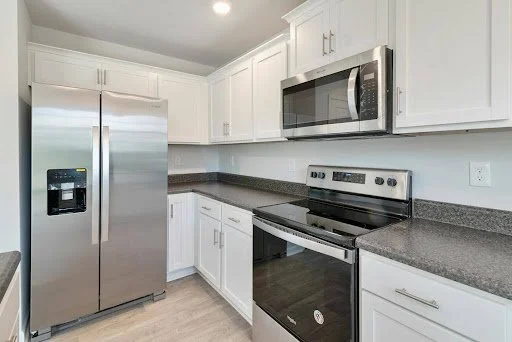



When investing in quartz countertops, choosing the right warranty and care package is just as important as selecting the color and finish.