
Street Sweeping in Growing Cities: A Strategic Tool for Urban Planning and Public Confidence
PAGE
By PAGE Editor
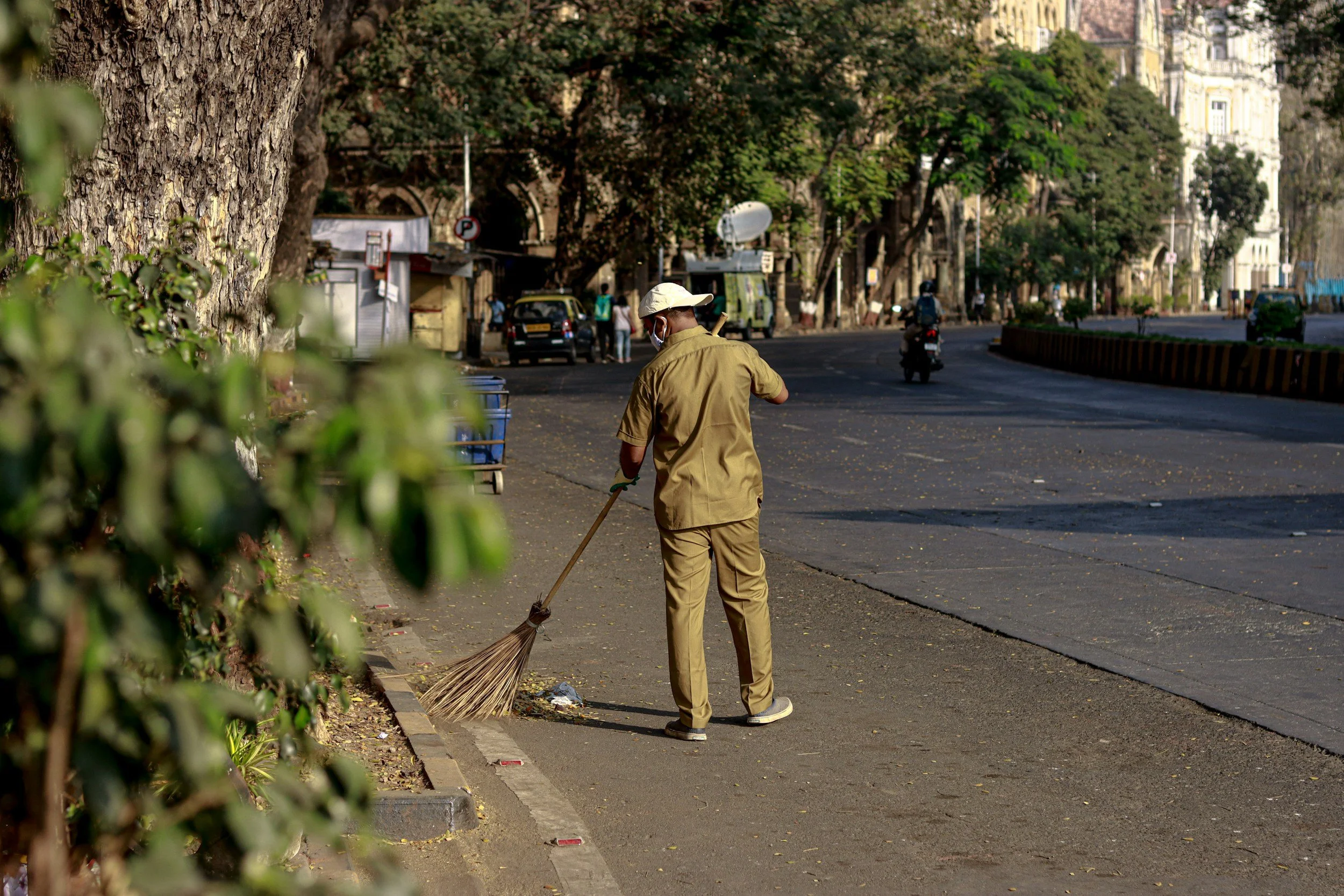
As cities expand and populations rise, the pressure on urban infrastructure intensifies. Traffic congestion, increased pedestrian activity, and ongoing development projects all contribute to the evolving complexity of modern city environments. Among the many services often taken for granted in urban spaces, street sweeping has remained one of the most unassuming yet vital tools in maintaining the rhythm, appearance, and safety of a growing metropolis.
Traditionally seen as a sanitation measure, street sweeping has evolved into a broader function—supporting stormwater systems, environmental compliance, traffic safety, and public perception. In fast-growing cities, it becomes more than routine maintenance; it’s part of a larger strategy to shape a community that is livable, efficient, and respected by its residents.
This article examines the modern role of street sweeping through the lens of urban planning and explores how its impact extends far beyond clean pavement.
The Foundation of Functional Streetscapes
More Than Just Debris Removal
At its core, street sweeping removes litter, leaves, gravel, and fine particulates from roadways. However, its true benefit lies in its prevention. Every sweep removes potential pollutants before they reach storm drains, helping to reduce sediment buildup, chemical runoff, and contamination of local waterways.
In urban environments where road networks connect directly to stormwater channels, unmanaged debris quickly translates to environmental risk. Sweeping not only improves aesthetic quality but also protects cities from fines, flooding, and long-term ecological damage.
It’s a critical first line of defense in maintaining a safe and compliant urban ecosystem.
Street Conditions Reflect City Values
Cleanliness isn’t just a matter of hygiene—it’s a signal. When streets are consistently swept, residents and visitors alike perceive the area as cared for. That perception builds trust in local government and encourages civic engagement.
On the other hand, dirty or neglected roads send the opposite message: that the city is overwhelmed, underfunded, or simply indifferent. Public confidence begins to erode, and with it, cooperation in broader civic efforts like recycling, local development, and public safety initiatives.
By committing to visible maintenance efforts like street sweeping, municipalities reinforce a culture of accountability and pride.
Supporting Safe and Efficient Transit Networks
Improving Driver and Pedestrian Safety
Gravel, sand, and other road debris may seem minor, but they can create hazardous conditions for both drivers and pedestrians. Excess material increases stopping distance, reduces tire traction, and contributes to vehicle skidding—particularly during wet weather.
Motorcyclists and bicyclists are especially vulnerable to surface irregularities and loose material. Keeping roads clean means improving traction and reducing unpredictable hazards that can cause accidents.
Street sweeping plays a direct role in traffic safety, particularly in high-density or mixed-use zones where vehicles, cyclists, and pedestrians share tight corridors.
Preventing Infrastructure Wear and Tear
City roads are an expensive asset. Maintenance of asphalt, concrete, and paint striping costs millions annually in most urban centers. When roads are swept regularly, dirt and chemicals don’t have the chance to build up and degrade those materials.
Fine dust acts like an abrasive layer, reducing the visibility and longevity of lane markings and directional signage on pavement. When left unchecked, these issues force premature repainting and road resurfacing—driving up long-term maintenance costs.
Sweeping slows this decay process and prolongs the functional lifespan of roadways and markings.
A Strategic Asset in Urban Growth
Integrating Sweeping into Development Planning
New neighborhoods and commercial districts often experience an influx of traffic, construction dust, and unpredictable waste. In these transitional phases, scheduled sweeping helps stabilize the area’s appearance and functionality.
Incorporating street sweeping into the development timeline also supports contractor compliance and prevents stormwater violations. Construction debris, when left to migrate into public right-of-ways, can create safety and environmental concerns.
Cleaner Streets works with municipalities and developers to integrate sweeping into growth-stage planning, aligning with zoning requirements and environmental standards.
Managing Perception in Emerging Areas
When a city expands, new areas often undergo rapid change. Early residents and business owners are especially sensitive to cleanliness and order, as they’ve invested in spaces not yet fully matured.
A regular street sweeping program ensures these emerging districts don’t feel overlooked or inferior to older, more established parts of the city. It reinforces the idea that every neighborhood, new or old, deserves the same level of care and responsiveness.
That equality helps balance growth while avoiding the impression of urban neglect or development bias.
Environmental Compliance and Regulatory Trends
Adapting to Green Infrastructure Mandates
As sustainability becomes a primary objective in urban planning, cities are required to manage pollutants more aggressively. Street sweeping is one of the simplest and most effective methods of meeting regulatory demands related to clean water and air.
Many jurisdictions now require specific particulate removal levels, runoff quality reports, and documentation of regular maintenance schedules. Failing to comply can result in fines, funding losses, or reduced eligibility for federal infrastructure grants.
A well-documented street sweeping plan positions cities to meet these rising standards with minimal disruption or added cost.
Supporting LEED and Sustainability Goals
LEED certification and other green building initiatives now apply not just to buildings but to entire site developments and city blocks. Clean streets contribute to these scores by supporting reduced environmental impact, improving air quality, and enhancing pedestrian experience.
Cleanliness and sustainability intersect through preventative maintenance. By removing pollutants early, cities reduce the burden on mechanical storm filters and natural landscapes designed to absorb runoff.
Cleaner Streets aligns with these sustainability goals by using eco-friendly sweepers and efficient routing to reduce emissions and water usage during operations.
Elevating Community Image and Experience
Encouraging Foot Traffic and Local Business
When sidewalks and streets are consistently clean, people are more inclined to walk, shop, dine, and linger. This increased foot traffic directly supports local economies—especially in downtown cores, cultural districts, and entertainment zones.
Public events, markets, and tourism also benefit from the visible care that sweeping represents. Cities that appear clean and organized are more likely to draw recurring business, attract visitors, and foster repeat engagement.
Demonstrating Care and Responsiveness
One of the most powerful messages a city can send is: “We take care of what we’ve built.” Street sweeping is a visible, recurring action that embodies that philosophy.
While it may seem routine, residents notice when it’s missed or inconsistent. Its presence communicates that leadership is proactive—not reactive—and that maintenance is a priority, not an afterthought.
Cleaner Streets recognizes this connection and supports municipalities in building trust through consistency, visibility, and performance.
Final Word: Clean Streets Are Strategic Streets
As urban growth accelerates, the margin for error narrows. Cities can’t afford to overlook foundational services in favor of headline projects. Street sweeping may seem simple, but its ripple effects are significant: from infrastructure health to resident trust, environmental compliance to economic vitality.
In today’s climate of rapid development and rising expectations, clean streets are more than cosmetic—they’re strategic.
With partners like Cleaner Streets, growing cities can maintain both their surfaces and their reputation, ensuring that progress never comes at the cost of pride, safety, or sustainability.
HOW DO YOU FEEL ABOUT FASHION?
COMMENT OR TAKE OUR PAGE READER SURVEY
Featured




When investing in quartz countertops, choosing the right warranty and care package is just as important as selecting the color and finish.