
Mastering Aluminum CNC Machining: A Complete Guide
PAGE
By PAGE Editor
Aluminum stands out as one of the most widely used materials in the world of CNC machining. Its lightweight nature, strong mechanical properties, and excellent workability make it a top choice for producing precise, custom parts across many industries. Whether you’re building aircraft components, automotive systems, or consumer electronics, aluminum provides the balance of strength, weight, and machinability that modern manufacturing demands.
In this guide, we will walk you through everything you need to know about aluminum CNC machining. You’ll learn about its advantages, popular aluminum grades, machining processes, and where aluminum CNC parts are typically used. Let’s get started.
What Is Aluminum CNC Machining?
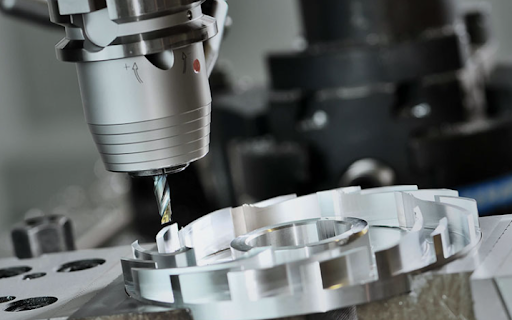
Aluminum CNC machining is the process of shaping aluminum into specific parts using computer-controlled machines. These machines follow programmed instructions to remove material from an aluminum block (also called a workpiece) using various cutting tools.
Aluminum is a soft, non-magnetic, and highly ductile metal. These qualities make it easy to cut and shape, especially when used with modern CNC machines. Manufacturers often alloy aluminum with other elements like copper, magnesium, or silicon to improve its properties for certain applications.
Due to its versatility, it is the most commonly used material in the manufacturing industry for aluminum CNC machining services, and the parts produced have the characteristics of high strength, corrosion resistance, etc.
Why Aluminum Is Great for CNC Machining
Aluminum has many qualities that make it an excellent material for machining. Let’s take a closer look at the benefits:
High Strength-to-Weight Ratio
Aluminum is about three times lighter than steel, yet it can still offer impressive strength, especially when alloyed. This makes it ideal for applications where weight matters, such as in aircraft and cars. The ability to keep parts light while still being strong allows for better performance and fuel efficiency in many industries.
Excellent Machinability
Aluminum is easier to cut than harder metals like steel or titanium. It forms chips cleanly, reducing the chance of tool damage or surface defects. CNC machines can operate at higher speeds with aluminum, which reduces machining time and lowers production costs. The softer nature of aluminum also means it causes less wear on tools, making it more economical in high-volume production.
Natural Corrosion Resistance
Aluminum reacts with air to form a thin oxide layer that protects it from further corrosion. This means aluminum parts are often suitable for outdoor or damp environments without needing extra coating. Some aluminum grades can be anodized to improve their corrosion resistance even more.
Good Electrical Conductivity
While not as conductive as copper, aluminum still offers good electrical conductivity. This makes it a suitable choice for electrical housings, connectors, and other components in the electronics industry.
Wide Range of Surface Finishes
Aluminum can be easily finished with coatings like anodizing, painting, powder coating, or chromate conversion. This not only enhances its appearance but also improves its surface durability and corrosion resistance.
Recyclability
CNC machining is a subtractive process, meaning material is cut away from a larger block. Thankfully, aluminum is highly recyclable. Leftover chips and scraps can be reused with minimal energy, making it a sustainable choice for companies focused on reducing waste and costs.
Common Grades of Aluminum for CNC Machining
Different aluminum grades have different properties depending on the alloying elements used. Below is an overview of the major aluminum series used in CNC machining:

Let’s explore some of the most popular grades in more detail:
6061 Aluminum
This is perhaps the most common aluminum alloy for CNC machining. It’s strong, corrosion-resistant, and easy to weld and machine. You’ll find it in everything from car parts to bike frames to consumer gadgets. Its good all-around properties make it a go-to material for many applications.
7075 Aluminum
If strength is your priority, 7075 is one of the best options. It's much stronger than 6061 but also more expensive and less resistant to corrosion. This alloy is commonly used in aerospace and motorsports where weight and strength are critical.
5052 Aluminum
This non-heat-treatable alloy is known for its excellent corrosion resistance, especially in saltwater environments. It’s a top choice for marine applications and sheet metal products.
How Much Does Aluminum CNC Machining Cost?
The cost of aluminum CNC machining depends on several factors:
Raw Material Cost: Aluminum is generally cheaper than many other metals like titanium or stainless steel.
Machining Time: Aluminum is easier and faster to machine, which reduces time spent on each part.
Labor Costs: Shorter machining times often mean lower labor costs.
Tool Wear: Although aluminum is soft, some aluminum alloys contain abrasive elements like silicon that can wear tools down faster.
Part Complexity: More detailed parts take longer to machine and may require special tools or setups, increasing the price.
Overall, aluminum is a cost-effective material for CNC machining compared to harder metals.
Core CNC Machining Processes for Aluminum
Aluminum parts reach the correct shape and size through a few main CNC methods. Each method works best for specific features.
CNC Milling
In the milling process, a rotating multi-point cutting tool removes aluminum from a stationary block. Shops perform milling on parts that need flat surfaces, slots, pockets, or complex 3D shapes. Modern 3-axis and 5-axis mills can make tight radii and deep cavities with high repeatability.
CNC Turning
Turning involves spinning an aluminum bar or tube while a single-point tool carves the shape. Turning excels at creating round features such as shafts, bushings, or cylindrical housings. Swiss-style turning centers can handle very small parts with micron-level accuracy.
CNC Drilling
CNC drilling uses a precise drill bit to bore holes at exact locations. Shops often combine drilling with milling in a single setup to save time. Drilling operations include through-holes, blind holes, and countersinks. Specialized bits and cycle strategies help avoid tear-out or chip clogging.
Common Applications of Aluminum CNC Machined Parts
Aluminum CNC parts are used in many industries. Here are some of the most common applications:
Aerospace
Aluminum’s lightweight and strength make it a perfect fit for aircraft frames, engine parts, and landing gear. CNC machining helps meet the strict tolerances and safety standards required in this industry.
Automotive
Manufacturers use CNC-machined aluminum parts for engine blocks, suspension systems, brackets, and electric vehicle components. Reducing vehicle weight improves fuel economy and performance.
Consumer Electronics
Aluminum is a favorite for making sleek and durable casings for laptops, smartphones, and cameras. It also helps manage heat in devices, making it both practical and stylish.
Marine Equipment
Thanks to its corrosion resistance, aluminum is widely used in boats, ship components, and offshore structures. Machined parts can survive in salty and wet environments without degrading quickly.
Industrial Machinery
Aluminum CNC parts are found in conveyor systems, robotics, automation equipment, and other factory tools. The material is light but strong enough for moving parts and support structures.
Choosing the Right CNC Machining Partner
Picking a qualified CNC machining partner is just as important as choosing the right material. For industries like aerospace, this includes evaluating providers of aviation metal fabrication services . Here’s what to look for:
Experience with Aluminum: Make sure the shop has a track record of working with aluminum alloys.
Quality Equipment: The right machines and tools are needed to ensure tight tolerances and clean finishes.
Certifications: Look for ISO or other industry-recognized certifications that show they follow strict quality control.
Engineering Support: A good partner can help you select the right aluminum grade, optimize your design, and solve problems before they occur.
Need help with aluminum machining? BOYI TECHNOLOGY specializes in precision CNC machining and can help you bring your designs to life with high-quality aluminum custom CNC parts. Reach out to our team for a quote or to discuss your project today!
Final Thoughts
Aluminum CNC machining continues to be one of the most efficient and reliable ways to produce high-quality parts. Its unique mix of lightness, strength, and ease of machining makes it a top material for industries like aerospace, automotive, electronics, and more.
By understanding the strengths and limitations of different aluminum grades, selecting the right machining processes, and working with a trusted partner, you can take full advantage of what aluminum CNC machining has to offer.
Whether you're building a one-off prototype or scaling up to mass production, aluminum is a smart and sustainable choice for your next machining project.
HOW DO YOU FEEL ABOUT FASHION?
COMMENT OR TAKE OUR PAGE READER SURVEY
Featured





When investing in quartz countertops, choosing the right warranty and care package is just as important as selecting the color and finish.