
Understanding Hair Loss: Why It Happens and What You Can Do
PAGE
By PAGE Editor
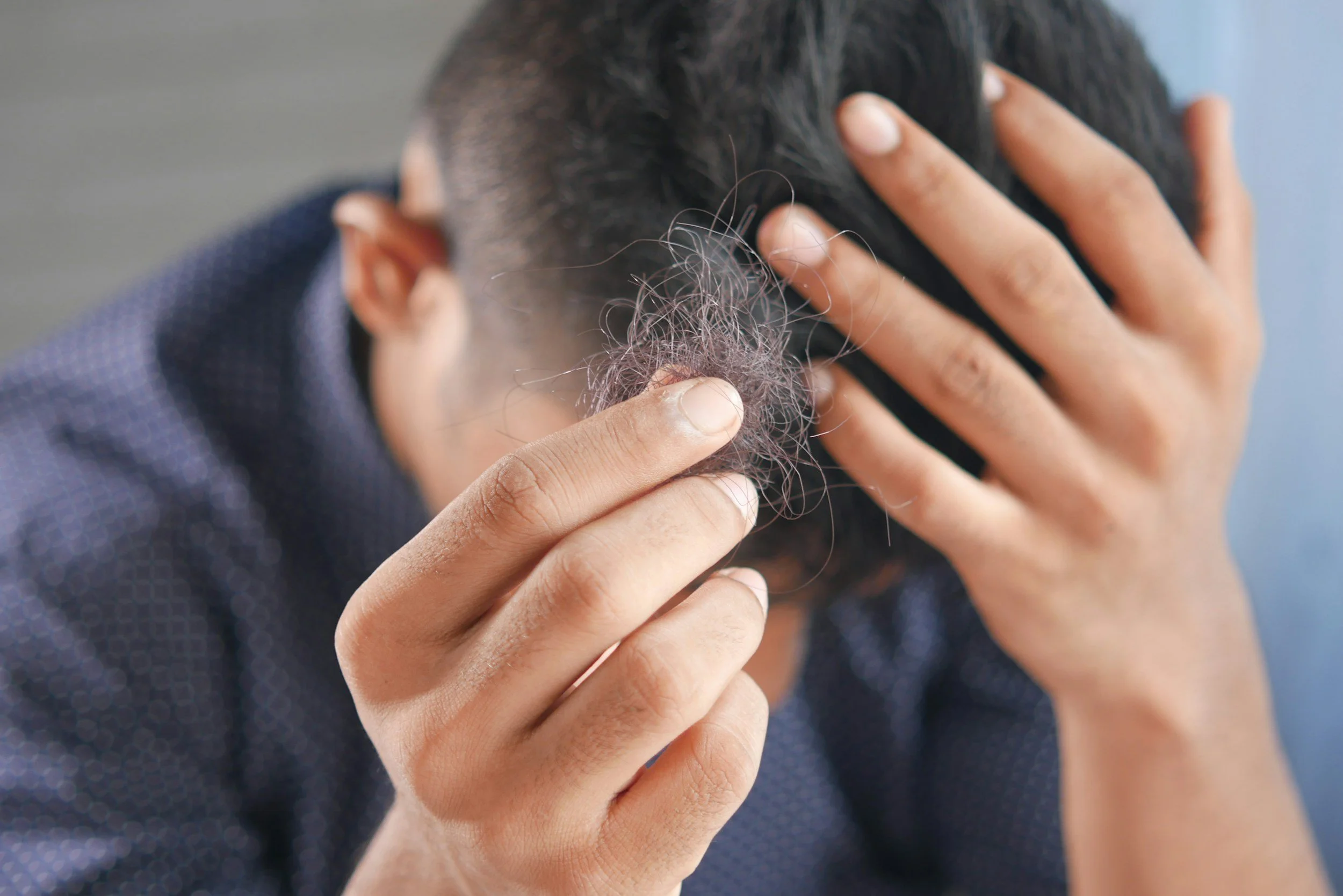
Hair loss can feel like a punch to the gut. One day, you’re running your fingers through a full head of hair, and the next, you’re staring at clumps in the shower drain. It’s stressful, but here’s the thing: you’re not alone. Millions of people—men and women alike—deal with hair loss every day. It’s not just about vanity either; losing hair can hit your confidence hard. The good news? There are reasons it happens, and even better, there are ways to handle it. Let’s walk through what causes hair loss, some solutions, and tips to keep your hair as healthy as possible.
What’s Making My Hair Fall Out?
Hair loss isn’t a one-size-fits-all problem. It’s more like a puzzle with lots of pieces. Here are the big ones:
It’s in Your DNA
If your family tree has a history of thinning hair, you might be next in line. This is called male pattern baldness or female pattern baldness. For guys, it often starts with a receding hairline or a bald spot on the crown. For women, it’s usually a gradual thinning all over. It’s not your fault—it’s just genetics doing its thing.Hormones Are Playing Tricks
Ever notice your hair acting weird during big life changes? Pregnancy, menopause, or even thyroid issues can mess with your hormone levels and lead to hair loss. For men, a hormone called DHT (a byproduct of testosterone) can shrink hair follicles over time. Women with conditions like polycystic ovary syndrome (PCOS) might see thinning too. Hormones are sneaky like that.Your Health’s Sending a Signal
Some medical conditions can trigger hair loss. Think thyroid problems, autoimmune diseases like lupus, or even scalp infections. There’s also alopecia areata, where your immune system attacks your hair follicles, leaving bald patches. If you suspect something’s up with your health, a doctor’s visit is a smart move.Life’s Getting in the Way
How you live can affect your hair. A diet missing key nutrients—like iron, protein, or vitamin D—can weaken your strands. Stress is another biggie; it can push hair into a “resting” phase called telogen effluvium, making it fall out faster. And those tight buns or heat styling tools? They can break your hair or pull it out over time.
Okay, So What Can I Do About It?
Don’t panic—there are options. Whether you want to fight hair loss head-on or just cover it up for now, here’s what you can try:
Medical Fixes
Doctors have some tricks up their sleeves:Minoxidil: A liquid or foam you rub into your scalp. It can wake up sleeping hair follicles and encourage growth.
Finasteride: A pill mostly for men that slows hair loss by blocking DHT. It’s not a miracle cure, but it helps some people.
Hair Transplants: This is the big one—surgery that moves hair from one spot (like the back of your head) to the thinning areas. It’s pricey and takes time, but it’s permanent for those who go for it.
These come with pros and cons, so chat with a healthcare pro to see what fits you.Quick Boosts with Hair Extensions and Hair Toppers
Want something easier? Hair extensions are game-changers. Extensions are strands you clip, tape, or sew into your hair to add volume and length. They’re perfect if your hair’s thin but still has some coverage. Hair toppers, meanwhile, are like mini wigs that sit on top of your head, hiding thinning spots. They blend right in with your natural hair and come in all colors and textures. Both are non-invasive, affordable, and give you that instant “wow” factor while you figure out long-term plans.Surgical Stuff
Besides transplants, there’s not much else in the surgery department. Most people stick to the options above, but transplants are worth mentioning if you’re all in.
How Can I Keep It from Getting Worse?
You can’t rewrite your genes, but you can give your hair a fighting chance. Here are some simple tips:
Feed Your Hair Right
Load up on foods that make your hair happy—think eggs, salmon, spinach, and nuts. Protein builds hair, iron keeps it strong, and vitamins like biotin give it a boost.Chill Out
Stress is a hair killer. Try deep breathing, a walk outside, or whatever calms you down. Less stress means less hair hitting the floor.Be Nice to Your Strands
Skip the tight ponytails and go easy on the heat. If you use hair toppers, make sure they’re not pulling too hard on your roots. Gentle shampoo and conditioner can also make a difference.Check In with a Pro
If you’re stumped, a doctor or dermatologist can dig deeper. They might spot something you missed and suggest a plan tailored to you.
Wrapping It Up
Hair loss is tough, no doubt about it. It might come from your family, your hormones, your health, or just how life’s treating you. But here’s the takeaway: you’ve got options. From popping a pill to trying hair extensions or hair toppers, there’s something for everyone. And even if you can’t stop it completely, you can slow it down with a little TLC. So don’t let it get you down—talk to someone, try a solution at hotscope, and rock what you’ve got. You’re not in this alone.
HOW DO YOU FEEL ABOUT FASHION?
COMMENT OR TAKE OUR PAGE READER SURVEY
Featured




When investing in quartz countertops, choosing the right warranty and care package is just as important as selecting the color and finish.