
More Than a Sledgehammer: How Light Demolition Balances Precision and Power
PAGE
By PAGE Editor
Demolition is often misunderstood—oversimplified in popular imagination as a brute-force operation involving jackhammers, bulldozers, and clouds of dust. But that mental image, while dramatic, doesn’t reflect the majority of demolition work happening across homes and businesses every day.
There’s a quieter, more refined side to demolition—one that demands thought, planning, and skill. It’s called light demolition, and its purpose is precision, not destruction.
Rethinking Demolition: A Trade of Subtraction, Not Chaos
Ask anyone managing a renovation project, and they’ll tell you: removing the right parts of a space is harder than it looks, says Cardinal Point Management.
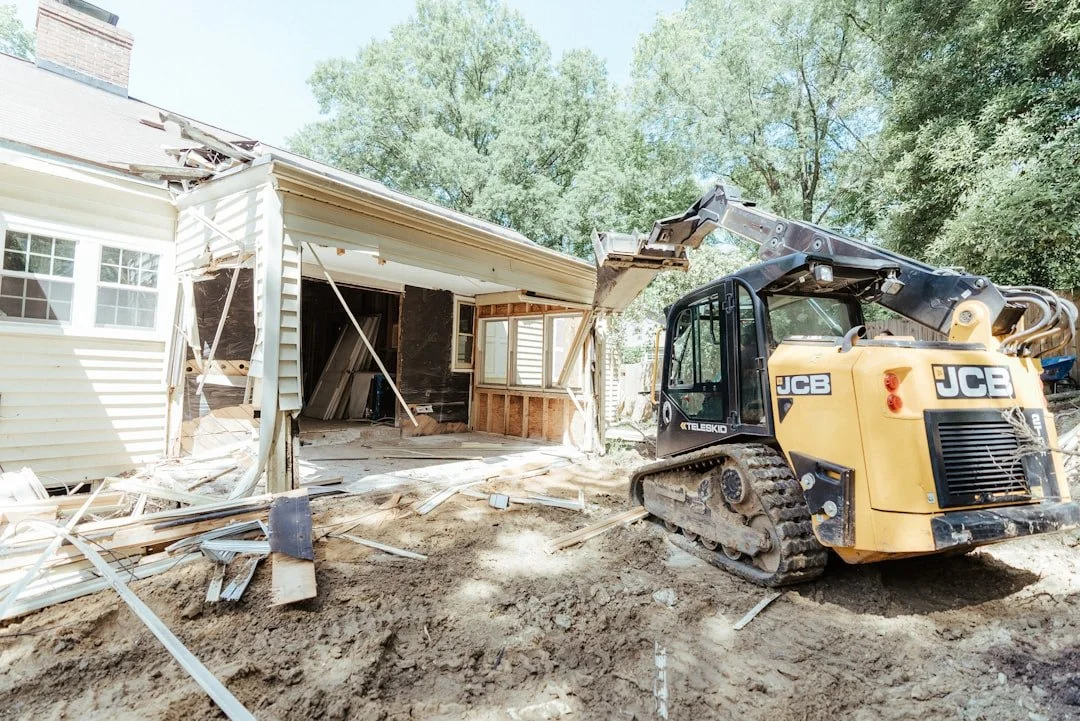
Light demolition is the calculated removal of specific elements—walls, cabinetry, fixtures, or flooring—without disturbing the structural or functional systems around them. When handled by professional demolition services, this process ensures precision and safety, preventing unnecessary damage to surrounding areas. It’s the difference between pulling up tiles and tearing down an entire room.
Rather than wrecking everything to start over, light demolition is about editing—carefully subtracting old components to make way for the new.
And that makes it one of the most critical stages in any remodeling or upgrade plan.
It’s Not About Size—It’s About Scope
Light demolition may sound small, but it often determines whether a project moves forward or spirals into costly delays. That’s because this form of demolition affects everything that comes next.
Remove a wall incorrectly, and you might expose faulty wiring. Rip out flooring too aggressively, and you could damage the subfloor. Demolish a kitchen island without checking plumbing lines, and you’re looking at more than a cleanup—you're looking at a setback.
This is why experience matters. A skilled demolition contractor doesn’t just tear down—they read the room. Literally. They understand how materials interact, how structures bear weight, and how to extract one layer without compromising the rest.
What Goes Into Light Demolition?
The tasks involved in light demolition vary depending on the project. Some common components include:
Cabinet and fixture removal
Non-load-bearing wall tear-outs
Ceiling tile or drywall removal
Old flooring extraction (wood, laminate, tile, carpet)
Removing old countertops, vanities, or built-ins
Shower enclosure or tub removal
What ties all these tasks together isn’t their size—it’s the risk. Each requires a level of control that separates professionals from the weekend DIY enthusiast.
Tools for light demolition are also different from what you might expect. While crowbars and reciprocating saws are still part of the process, much of the work is done with hand tools, utility knives, and drills. Precision over force.
Demolition Isn't the Opposite of Construction—It's the Beginning
One of the most common misconceptions is that demolition is somehow the "undoing" of a space. But in truth, it’s the first step of making something new.
Before a floor can be laid, the old one has to be removed. Before a wall can be painted, the outdated drywall must be taken down. Before a new kitchen layout can be built, the old cabinets and countertops must go.
Light demolition provides the clean canvas needed for skilled trades to begin their work. When done properly, it accelerates progress. When rushed or handled poorly, it complicates every step after it.
The Hidden Benefits of Doing It Right
Hiring a professional demolition contractor for light demolition brings more than expertise—it brings peace of mind. A well-executed light demo:
Minimizes dust and debris
Preserves surrounding materials
Avoids damage to wiring, plumbing, or HVAC
Ensures faster turnaround times
Keeps the workspace safe for all trades involved
Beyond that, it builds trust across the renovation team. Contractors prefer walking into a site that’s been properly cleared. Homeowners feel reassured when they don’t have to second-guess what's behind every wall. And timelines stay intact because the job began with clarity.
Light Demolition in Residential vs. Commercial Settings
While the term "light demolition" is often used in residential contexts, its value in commercial settings is equally vital.
Office renovations, restaurant upgrades, retail expansions—all of these require partial demolition before new construction can begin. But unlike a private home, businesses often operate on tight timelines and cannot afford prolonged downtime.
This makes control even more important. Materials must be removed efficiently, without interfering with existing structural elements or compliance systems like fire suppression or ADA requirements.
Precision matters. And so does the coordination that comes with experience.
Knowing When to Bring in a Demolition Contractor
You don’t need to be managing a large-scale renovation to justify hiring a demolition contractor. Even modest home improvements—like replacing floors, reconfiguring closets, or converting an attic—often require light demolition.
A good rule of thumb? If removing something might affect something else, bring in a pro.
Professionals know how to handle unknowns like hidden mold, improperly secured wiring, or load-bearing surprises. They also know how to keep a worksite clean, safe, and compliant with local codes.
And if timelines, resale value, or project budgets are priorities, then cutting corners on the demolition phase can quickly backfire.
The Value of Specialized Demolition Services
Not all contractors are demolition experts. In fact, many renovation crews prefer to have the site cleared before they arrive. That’s where companies like Dump Brothers Junk Removal come into play.
With an understanding of both light demolition and debris removal, they provide a clean, hazard-free space that sets up every following trade for success. Their work is often what makes the job “ready to begin”—even before the first hammer falls.
Final Thought: Precision First, Progress Follows
In the world of renovation, the most successful outcomes begin not with a blueprint—but with a careful teardown.
Light demolition is less about destruction and more about preparation. It’s the phase that allows a project to breathe, evolve, and move forward without setbacks. And it’s handled best by those who understand the art of controlled removal.
Whether you're taking down a wall or pulling up tile, never underestimate the value of experienced demolition. It's more than a sledgehammer. It’s strategy in motion.
HOW DO YOU FEEL ABOUT FASHION?
COMMENT OR TAKE OUR PAGE READER SURVEY
Featured




When investing in quartz countertops, choosing the right warranty and care package is just as important as selecting the color and finish.