
When to Replace Your Roof: Warning Signs Homeowners Should Never Ignore
PAGE
By PAGE Editor
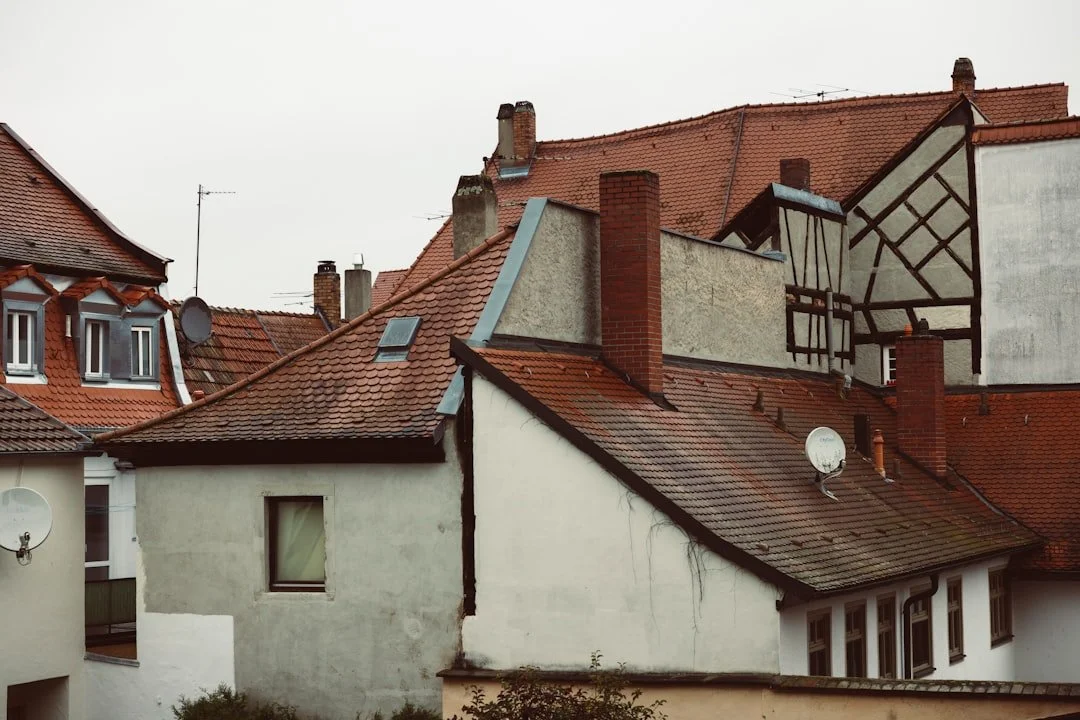
Your roof protects everything you own—from the family inside your home to the possessions, furniture, and structural systems that support daily life, notes leading property management company, npropertygroup.com. But how do you know when that protection is starting to fade? The truth is, many roofs begin to fail long before a leak becomes obvious.
Ignoring early signs of wear can lead to expensive repairs and potential structural damage. That’s why recognizing the indicators of roof failure is essential for any homeowner. Below is a breakdown of the most common warning signs that it may be time to consider a roof replacement.
1. Your Roof Is Over 20 Years Old
Not all roofs have the same lifespan. The materials, installation quality, and climate all affect how long your roof can last. Asphalt shingles, one of the most common residential materials, generally last 20 to 25 years.
If your roof is approaching or has exceeded that age, it’s wise to schedule a professional inspection—even if you don’t see visible damage. Waiting too long may mean skipping over simple repairs and heading straight into full replacement territory.
2. Curling, Cracked, or Missing Shingles
Shingles act like armor for your home, protecting it from sun, rain, wind, and snow. When they start to curl upward at the edges or crack under pressure, it’s a clear signal that they’re nearing the end of their life cycle.
Even a few missing shingles can compromise your roof’s ability to repel water. In severe weather, this can lead to leaks, mold, or insulation damage. If the damage is widespread, it may be more practical to invest in a complete roof replacement rather than patching up multiple sections.
3. Granules in Your Gutters
As shingles age, they begin to shed protective granules. These tiny particles provide UV protection and improve water resistance. If you start seeing dark, sandy buildup in your gutters or downspouts, it’s a strong sign that your shingles are deteriorating.
Granule loss not only affects your roof’s performance—it also accelerates wear by exposing the underlying material. If you spot significant shedding, don’t delay. Contacting a qualified roofing company for evaluation is a smart move.
4. Sagging or Uneven Roof Lines
Your roof should appear straight and even from every angle. If you notice dips, sagging, or warping, it could indicate serious structural problems. The issue might stem from rotted decking, poor ventilation, or long-term water damage beneath the shingles.
These problems rarely fix themselves. A sagging roof often points to more than surface-level wear and may require professional intervention to prevent further damage to the framework below.
5. Water Stains on Ceilings or Walls
Discoloration on your ceiling isn’t always caused by plumbing leaks. In many cases, water stains can trace back to roofing issues. Leaks often start small—hidden under insulation or drywall—and spread slowly over time.
Even minor water intrusion should be taken seriously. Left unresolved, it can cause mold growth, structural decay, and expensive interior damage. If you notice moisture marks, bubbling paint, or mildew odors, it’s time to look upward.
6. Daylight Through the Attic
Head to your attic during the day and turn off the lights. If you can see sunlight streaming through the roof boards, that’s a red flag. It usually means the decking or shingles are damaged and no longer sealing out the elements.
Light leaks often go hand-in-hand with air and water leaks. Not only do they compromise energy efficiency, but they also open the door to pests and moisture. These small gaps may lead to large consequences if left untreated.
7. Rising Energy Bills
If your heating and cooling costs have been climbing and you’ve ruled out appliance issues, your roof may be the culprit. Damaged or aging roofing systems can allow air to escape and reduce insulation performance.
Replacing your roof can improve your home’s energy efficiency and stabilize interior temperatures. Look for signs like drafty rooms, inconsistent heating, or increased AC usage to determine if your roof could be part of the problem.
8. Moss or Algae Growth
Green patches on your roof may look harmless, but they’re often a sign of trouble beneath the surface. Moss holds moisture against your shingles, accelerating wear and potentially causing decay.
Algae, on the other hand, can lead to dark streaks that reduce your home’s curb appeal. While both can be cleaned, their presence—especially in combination with age or material loss—may suggest that roof replacement should be considered soon.
9. Frequent Repairs Are Adding Up
Replacing a few shingles after a storm or sealing a flashing leak is routine maintenance. But if you find yourself calling a roofing company every few months, you’re likely spending more in the long term than you would with a full replacement.
Multiple repairs are a symptom of a failing system. They may temporarily mask deeper issues that only a full inspection and roof replacement can resolve.
10. Storm Damage and Emergency Repairs
If your home has experienced a recent hailstorm, hurricane, or wind event, it’s essential to have your roof professionally evaluated—even if there’s no immediate leak. Impact damage can create microfractures or dislodge flashing in ways that go undetected until the next heavy rain.
Storms accelerate deterioration and can dramatically shorten a roof’s lifespan. Getting ahead of those problems with a trusted roofing company ensures you’re not caught off guard later.
A Smart Roof Strategy Begins With Awareness
Not every roof problem means you need a replacement, but understanding when to act is the first step toward protecting your home. Minor issues left unchecked can lead to structural damage, energy loss, and mounting repair bills.
Lapeyre Roofing has seen how proactive decisions help homeowners avoid stress and safeguard their investments. By staying informed and scheduling regular inspections, you ensure your roof continues to do its job—quietly, effectively, and reliably.
HOW DO YOU FEEL ABOUT FASHION?
COMMENT OR TAKE OUR PAGE READER SURVEY
Featured




When investing in quartz countertops, choosing the right warranty and care package is just as important as selecting the color and finish.