
Optimizing Supply Chain Flow For Improving Workplace Productivity
PAGE
By PAGE Editor
Today’s business landscape is drastically different from what it used to be. Back in the day, productivity was mostly driven by the employee’s effort and hard work, in general; however, nowadays, this simply isn’t enough.
Aside from this, many other elements affect it, like the efficacy of the systems, processes, and resources, and how they move around the workforce. Certainly, one of the most impactful elements as far as this is concerned is the supply chain flow.
When materials and products move seamlessly from one phase to another, then workers are capable of concentrating on all the relevant tasks, instead of correcting mistakes, worrying about delays, etc.
The entire point of supply chain optimization is to develop an operational environment where people can give their all.
The Connection Between Productivity And Supply Chain
To put it simply, supply chain flow showcases how good data, goods, and resources move from suppliers to operations, and then, eventually, to consumers. If by any chance that flow is disrupted in any way, the workforce will instantly feel that impact.
Numerous signs indicate that something is wrong with the supply chain flow, and the most common ones include the following:
Employees ware aiting forever for approvals and/or materials
Constant stress caused by last-minute issue solving and uncertainty
Schedule changes that occur too often result in confusion
Repetitive administrative tasks that are a direct result of manual tracking
It’s of huge importance to be aware of all these issues. Industries that are heavily reliant on time-sensitive transportation models, including Cotton Logistics, know how impactful even the tiniest disruption can be. If nothing is done about it, then it can cause serious operational slowdowns.
What Can Be Said About The Existing Supply Chain Processes?
If you want to properly optimize your supply chain, then you need to conduct a detailed analysis first. It usually encompasses assessing every single part of the supply chain, ranging from procurement to production, warehousing, distribution, and others.
The entire purpose of it is to detect areas where things, such as delays and inefficacies happen. Ask yourself if you’ve found any bottlenecks in production? Do customers frequently complain about delayed deliveries?
Both of these questions will show you the weakest areas of your business, so you can effectively address these issues and, at the same time, level up the performance of your supply chain.
What you need to remember when it comes to this is that the data is your friend, and the more information you have, the better. Speaking of this, there are several analytics tools you can employ for these purposes, which can help you detect patterns that aren’t generally easily visible.
According to some reports, companies that make use of data analytics to spot inefficiencies normally decrease supply chain expenses by up to twenty percent! How amazing is that?
Focus On The Visibility
Lack of visibility can result in uncertainty, which can negatively impact the decision-making process at practically every level of your firm. When your workforce doesn’t have enough information regarding the shipment, stock, deliveries, and many other important data, they will most likely compensate, which can cause various errors, like duplicated work and/or redundant inventory.
But on a more positive note, if your organization makes use of integrated data platforms or real-time tracking systems, then it’s going to enable your employees to easily access more precise information in a flash. With clear visibility:
Managers are capable of properly planning workloads
There’ll be no misunderstanding in terms of communication among the members of your team
Procurement decisions are reactive
Workers are confident in the process
Have You Ever Leveraged PPRR Model?
If the answer is no, then now is definitely a good time to reap its benefits because it is considered one of the most crucial things you can use to optimize your supply chain. So, what can be said about it?
It stands for prevention, preparedness, response, and recovery, and it represents an approach that makes sure that your business doesn’t just react to certain problems, but it also does whatever is in its power to resolve the issue, and simultaneously, manage risks.
When a company prioritizes preparedness and prevention, then it radically reduces the chances of dealing with potentially detrimental hurdles and pitfalls, and concurrently, responds quickly to any hiccups.
Making use of efficient responsive tactics is going to decrease downtime and get your organization back on its feet fast.
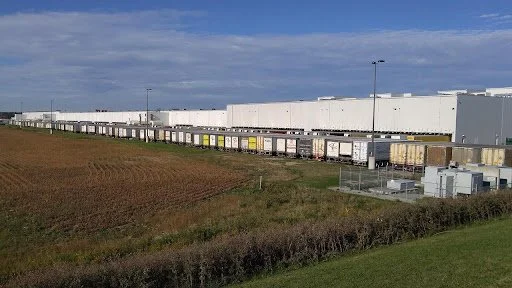
There are lots of things that you can do to boost workplace productivity, and by far, one of the best solutions when it comes to this comes in the form of the optimized supply chain, which will enable your workers to focus on all core tasks.
HOW DO YOU FEEL ABOUT FASHION?
COMMENT OR TAKE OUR PAGE READER SURVEY
Featured




GHK-Cu shows up in a surprising number of modern cosmetic formulas, especially those positioned around skin quality, texture, and visible aging markers.