
Stop Overpaying for Foreign Models: Create Realistic Fitting Photos on a Budget
PAGE
By PAGE Editor
High-quality photography drives modern retail sales. Consumers rely entirely on visual cues to understand a garment. They want to see how a linen shirt drapes across the shoulders. They need to know how a tailored dress actually fits a real human. Flat-lay images simply do not offer enough context to secure a confident purchase. Shoppers need to see the clothing in action.
However, shooting on live talent is incredibly expensive. Sourcing professional foreign models requires a massive upfront budget. Agencies charge steep daily booking rates. Hiring makeup artists, lighting technicians, and renting premium studios add thousands to the final invoice. For independent clothing sellers and growing brands, these recurring costs are entirely unsustainable. It eats into profits and limits marketing reach.
Fortunately, modern technology offers a permanent, highly effective fix. Sellers no longer need to book human talent to get premium, catalog-ready visuals. With Banana Pro AI, apparel businesses can generate lifelike fitting photos instantly. Retailers can effortlessly showcase garments on diverse body types and skin tones without ever leaving the office. This completely eliminates the traditional production bottleneck.
I. The Heavy Financial Burden of Traditional Fashion Shoots
Traditional photography drains retail marketing budgets rapidly. Before a camera even flashes, the operational expenses pile up. This rigid, outdated system severely limits how small brands market their inventory.
1. Sourcing Talent and Paying Agency Fees
Foreign models demand premium financial compensation. Agencies require strict booking fees just to hold a shooting date. Finding a person with the exact desired aesthetic takes weeks of back-and-forth negotiation. The daily rate alone often consumes an entire seasonal marketing budget. Independent stores cannot compete with massive retail chains under these financial conditions.
2. Managing Usage Rights and Licensing
Paying a model for a single day does not grant unlimited photo rights. Agencies impose strict, expensive commercial licensing agreements. If a brand wants to use the pictures in a different country, licensing costs multiply instantly. Keeping an image on a website for over a year triggers extended, recurring usage fees. Every new marketing channel requires another round of negotiation and payment.
3. Handling Unpredictable Production Logistics
Physical photo shoots are notoriously fragile and highly stressful. Bad weather ruins expensive outdoor campaigns instantly. Indoor studio schedules change without warning, causing massive delays. Human models require mandatory rest breaks and catered meals, slowing down the entire production timeline. Coordinating all these moving parts requires dedicated staff and endless patience.
4. The Hidden Costs of Post-Production
The heavy spending continues long after the shoot ends. Photographers charge high hourly rates for detailed photo retouching. Correcting studio lighting and smoothing out fabric wrinkles takes several days. Late photos mean late product launches and missed sales opportunities. Every extra round of photo editing pushes the seasonal launch further behind schedule.
II. Creating Inclusive Visuals with Banana Pro
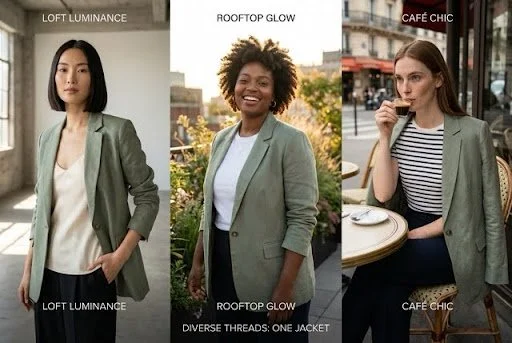
Buyers demand genuine authenticity from the brands they support. They want to see clothes modeled by people who look exactly like them. Hiring dozens of models to achieve this necessary diversity is financially impossible. Smart image generation solves this problem immediately.
1. Showcasing Diverse Skin Tones
A standard fashion shoot usually features one specific demographic due to budget limits. Banana Pro breaks this frustrating visual limitation. Sellers can easily create virtual models with entirely different skin colors. This ensures marketing materials resonate strongly with a broader global customer base. Shoppers feel seen and valued by the brand.
2. Adapting to Different Body Sizes
Clothing fits differently on every distinct body shape. Showing a winter jacket only on a tall, slender frame alienates other potential buyers. Generation tools allow brands to represent different body proportions accurately. Sellers can display the same item on curvy, athletic, or petite figures flawlessly. This comprehensive visual representation builds immediate consumer trust.
3. Working with the Banana Pro AI Image Generator
Speed is absolutely crucial in the modern retail sector. Waiting weeks for an edited seasonal catalog kills sales momentum completely. By leveraging the Banana Pro AI Image Generator, marketing teams skip the photography studio entirely. They produce clean, highly professional, ready-to-publish pictures in mere minutes. The workflow is entirely frictionless.
4. Speeding Up the Entire Launch Cycle
Faster photo production translates directly into faster revenue generation. Stores can launch sudden weekend flash promotions with completely fresh imagery. They can update online storefronts immediately the moment new inventory arrives. Unnecessary logistical delays are completely eliminated from the daily business workflow.
III. The Step-by-Step Process for Virtual Model Creation
Moving away from physical studios requires learning a new, efficient workflow. The entire process relies on standard text inputs and uploaded reference assets. Anyone on the marketing team can master the generation interface quickly.
1. Selecting the Image-to-Image Mode
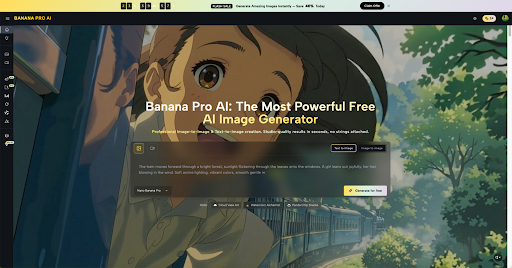
The process begins in the main interface. Since merchants need to feature specific real-world garments, they select the Image to Image tab at the top. This essential feature allows users to upload their basic flat-lay or mannequin photography. Using this visual reference ensures the core clothing design remains highly accurate during the generation process.
2. Crafting the Perfect Model Prompt
Users define the exact look of the virtual human model entirely through the Prompt text box. A merchant simply types a descriptive text command. They specify the desired demographic details, styling, and background lighting. If a user struggles to write an effective description, clicking the built-in Generate with AI button helps optimize the text input automatically for the most realistic photographic results.
3. Generating
Click the final Generate Image button initiates the process, seamlessly blending the reference garment with the text-prompted virtual model.
IV. Driving Commercial Success Through Better Photography
Better pictures directly and measurably increase overall store revenue. When shoppers receive clear, high-quality visual information, their purchasing behavior changes. They stop hesitating and start buying immediately.
1. Helping Customers Make Confident Decisions
Lingering doubt actively kills online shopping conversions. Showing items on relatable body types removes that doubt instantly. When customers see a realistic fit on a similar frame, they feel highly confident. They add the desired item to the cart and quickly complete the checkout process without abandoning the page.
2. Radically Reducing Product Return Rates
Customer returns cost e-commerce businesses thousands of dollars annually. Misleading, highly edited photos are the primary cause of this severe issue. Generating accurate visual representations sets the right consumer expectations from day one. Shoppers know exactly how the shirt fits before spending money, dropping the return rate significantly.
3. Fueling Social Media Marketing Channels
Clothing brands need endless visual content for Instagram, Pinterest, and TikTok. Booking weekly photo shoots just for daily social feeds is financially impossible. Instant image generation provides a steady, reliable stream of fresh content. Brands stay hyper-active online without spending any extra money on continuous media production.
4. Testing New Designs Before Manufacturing
Sellers can easily test market demand before producing actual physical inventory. By generating a highly realistic photo of a prototype garment, brands can run targeted ads. If the customer response is strong, they confidently manufacture the piece. If the ad fails, they avoid a massive, debilitating financial loss.
V. Conclusion
Cutting massive photography costs changes retail operations fundamentally. Eliminating steep agency fees leaves cash in the bank to source better clothing materials or run larger paid advertising campaigns. Furthermore, bringing image creation in-house ensures absolute brand consistency. A single generation tool keeps everything visually unified, making the e-commerce website look polished and trustworthy across every season.
This level of visual control also unlocks entirely new revenue streams abroad. Sellers can quickly swap the virtual model's text description for different geographic regions, creating hyper-localized marketing materials without ever leaving their desks. Staying profitable in fashion demands extreme cost efficiency and flawless presentation. Abandoning outdated photography methods gives brands incredible agility. Using Banana Pro AI remains the absolute smartest, most effective strategy for building a highly profitable, visually stunning clothing store today.
HOW DO YOU FEEL ABOUT FASHION?
COMMENT OR TAKE OUR PAGE READER SURVEY
Featured


Loro Piana unveiled its Fall/Winter 2026–2027 collection, Nomadic Reverie, at its Milan headquarters, transforming the Cortile della Seta into an immersive, train-inspired journey centered on the House’s historic paisley motif—blending poetry, archival craftsmanship and advanced textile techniques to reaffirm its commitment to understated luxury and enduring Italian excellence.