
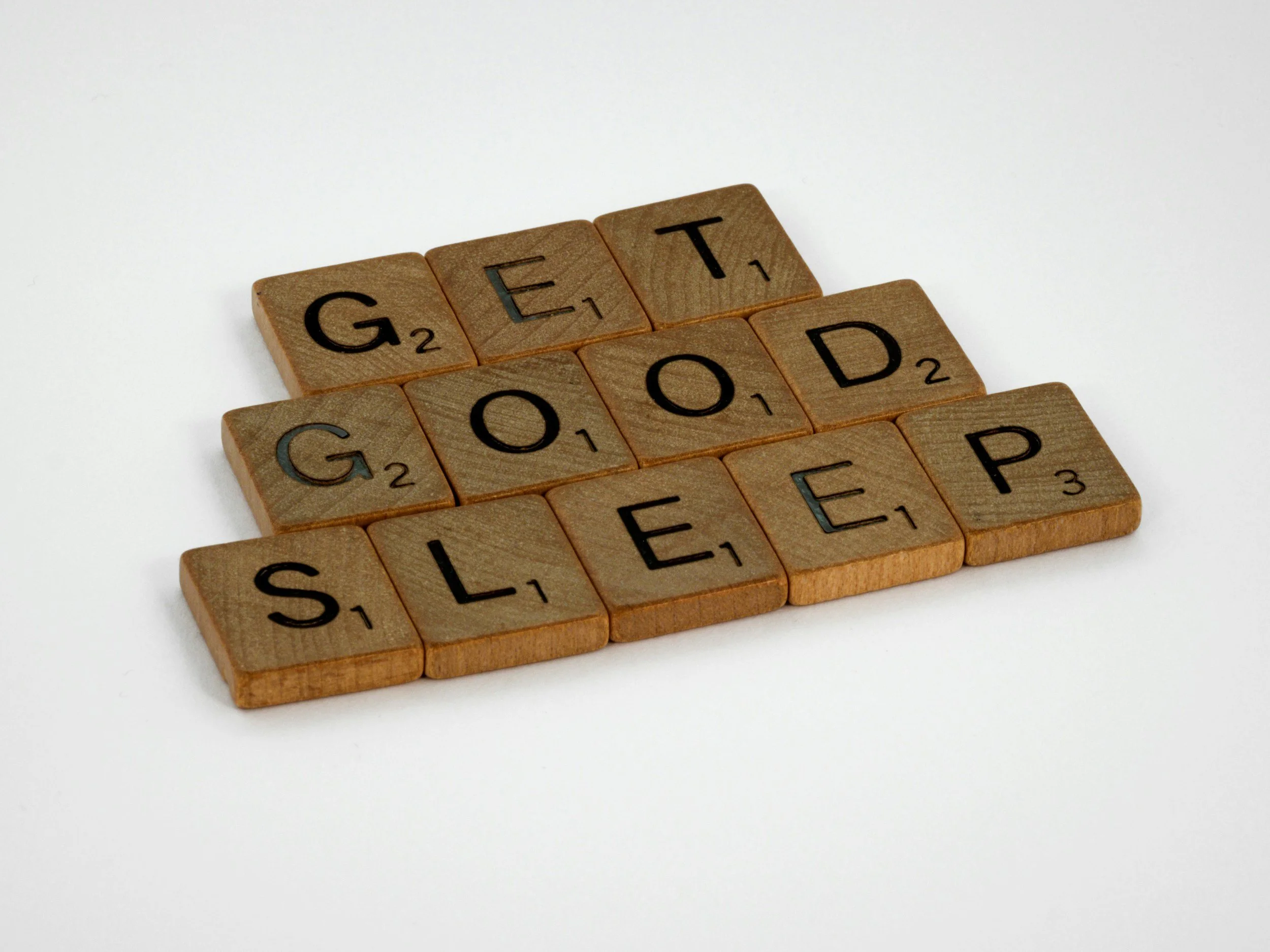
Stress vs. Sleep: Breaking the Cycle for Better Rest and Recovery
PAGE
By PAGE Editor
We’ve all been there: tossing and turning at night because our mind refuses to switch off. Stress keeps you awake, and lack of sleep makes you more stressed the next day. This creates a vicious cycle that leaves your body exhausted, your mind foggy, and your recovery compromised. The good news is that this cycle can be broken with the right strategies, lifestyle adjustments, and support tools.
Let’s break it down.
How Stress Interferes With Sleep
Stress is the body’s natural reaction to pressure. When you’re stressed, your brain signals the release of cortisol, the “fight or flight” hormone. Cortisol keeps you alert, your heart rate elevated, and your muscles tense. That’s the last state you want to be in when trying to drift into restful sleep.
What happens next?
Racing thoughts keep you awake.
Muscle tension makes it hard to relax.
Elevated heart rate prevents deep, restorative sleep stages.
Over time, this leads to insomnia, shallow sleep, and frequent night wakings. Even if you manage to get some hours in, the quality of sleep is compromised, so you don’t wake up refreshed.
How Poor Sleep Fuels Stress
On the flip side, sleep deprivation makes you more vulnerable to stress. When you don’t sleep well:
Your cortisol levels stay elevated throughout the day.
The brain’s ability to regulate emotions weakens, making you more irritable.
Everyday challenges feel overwhelming.
This is why even minor setbacks—like traffic jams or work emails—feel unbearable after a sleepless night. Your body hasn’t had the chance to reset, and your mind hasn’t processed the day’s events properly.
The Impact on Rest and Recovery
Sleep is more than just “shutting down.” It’s when the body repairs itself. Muscle recovery, hormone regulation, and immune strengthening all happen during deep sleep cycles. Stress-driven insomnia robs your body of these essential recovery windows.
This is especially problematic if you’re physically active, recovering from an injury, or dealing with chronic pain. Without adequate rest, your body’s repair mechanisms slow down. That’s where additional support—like using a pain rest tablet for temporary relief or applying a pain relief soothing gel to ease muscle tension—can help the body relax enough to enter sleep more easily.
Spotting the Warning Signs
It’s easy to overlook the stress-sleep connection until it becomes a serious problem. Watch out for:
Frequent headaches or muscle tightness before bed
Falling asleep late but waking up too early
Irritability, mood swings, and brain fog
Increased cravings for caffeine and sugar
These signs show that your body is stuck in the stress-sleep cycle and needs intervention.
Breaking the Cycle: Practical Steps
The good news is, stress and sleep are both manageable. With consistent changes, you can train your body and mind to relax again.
1. Create a Sleep Ritual
Instead of scrolling on your phone until you feel tired, establish calming habits:
Dim the lights an hour before bed.
Take a warm shower or bath.
Use relaxation cues like herbal tea, light stretches, or meditation.
Rituals signal to the brain that it’s time to switch off.
2. Manage Physical Discomfort
Physical stress often adds to mental stress. If pain or soreness keeps you awake, small interventions make a big difference. A pain relief soothing gel massaged into stiff muscles can reduce discomfort. Similarly, a pain rest tablet (when used responsibly) helps with deeper relaxation. By addressing pain, you reduce one of the biggest barriers to sleep.
3. Practice Mind Dumping
Racing thoughts? Keep a notebook by your bedside. Write down tomorrow’s to-do list or anything troubling you. This simple “mind dump” offloads worries from your brain to paper, helping you sleep without overthinking.
4. Use Breathing Techniques
Slow, controlled breathing lowers your heart rate and signals the nervous system to calm down. Try the 4-7-8 technique: inhale for 4, hold for 7, exhale for 8. Repeat until you feel drowsy.
5. Limit Stimulants
Caffeine and nicotine prolong cortisol activity in your body. If stress already has your system wired, stimulants only amplify it. Cut off caffeine after 2 PM for smoother evenings.
6. Prioritize Movement
Exercise releases endorphins that reduce stress hormones. It doesn’t have to be intense—30 minutes of walking, yoga, or stretching works wonders. Just avoid heavy workouts right before bed.
The Role of Recovery Products
While lifestyle changes are the foundation, using recovery aids can provide additional support. Brands like Reset focus on wellness solutions that help restore balance between body and mind. Whether it’s a soothing gel to ease muscle stress or natural supplements that support rest, small additions like these can bridge the gap between stress and sleep while you work on long-term habits.
Think of them as allies: they don’t replace healthy sleep hygiene, but they make it easier to get back on track.
When to Seek Professional Help
If you’ve tried multiple strategies and still struggle with stress-driven insomnia, it’s time to consult a doctor. Persistent sleep problems may signal conditions like anxiety disorders, depression, or chronic insomnia. A healthcare provider can recommend targeted therapies, medications, or behavioral techniques to break the cycle.
A New Approach to Sleep
Breaking the stress-sleep cycle requires patience, but it’s achievable. Instead of seeing stress and sleeplessness as separate issues, treat them as interconnected. When you calm the mind, the body rests. When the body rests, the mind resets.
Sleep is not a luxury—it’s your body’s most powerful recovery tool. Every night of quality rest improves your mood, productivity, physical recovery, and long-term health. And every step you take to reduce stress makes that rest deeper and more restorative.
Final Thoughts
Stress and poor sleep often feed each other, leaving you drained and frustrated. The key is to intervene on both ends: reduce stress levels and optimize your sleep environment. Tools like pain rest tablets for temporary relief, pain relief soothing gel for physical relaxation, and wellness brands like Reset can support the process, but long-term change comes from consistent habits.
Start small: dim the lights early, breathe deeply, ease sore muscles, and let your brain unwind. Break the cycle, and you’ll discover that restful sleep is not just possible—it’s within your control.
HOW DO YOU FEEL ABOUT FASHION?
COMMENT OR TAKE OUR PAGE READER SURVEY
Featured



Cottage owners in Kenora often need additional storage for outdoor equipment, gardening supplies, recreational gear, and seasonal belongings.