
The Hidden Science of Clean: How Dirt Affects Materials, Health, and Home Value

PAGE
By PAGE Editor
Dirt is deceptive. It shows up as a faint smudge, a dusting on baseboards, or a few stray crumbs. It seems harmless—just a sign of life happening in a space. But behind that casual buildup lies a quiet, destructive force that erodes more than just visual appeal. The accumulation of dirt over time affects material integrity, personal health, and even the value of a property, notes Los Angeles Property Management Group experts.
For many homeowners and businesses, cleaning is viewed primarily as a way to reset a room's appearance. But beneath the surface, consistent house cleaning and commercial cleaning routines offer protection far beyond shine and sparkle. They preserve the very components of a space and support its long-term wellness. That’s why understanding the science behind dirt and its effects can change the way we approach cleanliness altogether.
The Microscopic Damage to Surfaces
Dirt isn’t just “dust.” It’s often a mixture of particles—skin cells, fibers, pollen, sand, pet dander, and bacteria. When these particles settle on hard surfaces or into carpet fibers, they don’t sit idle. They interact with air moisture and friction caused by everyday movement, causing slow but steady wear.
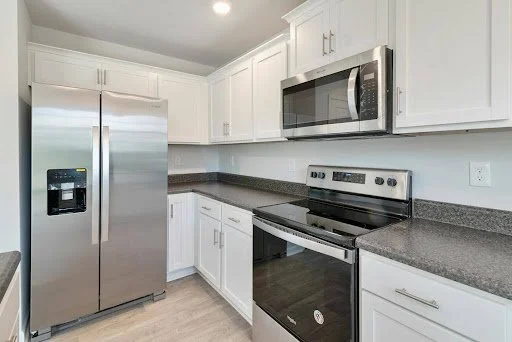
Hardwood floors, for instance, can lose their finish faster when tiny abrasive particles act like sandpaper underfoot. Over time, this dulls the surface and leads to scratches. In kitchens, grease particles can cling to cabinets and combine with dust, forming a sticky film that degrades paint and laminate surfaces. Even on windowsills and baseboards, long-term dust buildup can dry out wood, weaken caulking, and make repainting more frequent.
This kind of gradual damage often goes unnoticed—until it requires expensive restoration.
The Role of Carpet as a Contaminant Collector
The carpet, for all its comfort, operates like a trap. It catches everything from outdoor soil tracked in on shoes to airborne pollutants that settle between vacuuming sessions. These particles are not just unsightly; they break down carpet fibers from within.
Without routine carpet cleaning in King County, the base of the pile becomes compacted with debris. This makes it harder to clean over time, accelerates fiber wear, and leads to fading and matting. In high-traffic areas, this degradation happens faster, turning plush carpet into flattened, stained zones that impact the aesthetic and comfort of a space.
Even worse, embedded debris doesn’t just stay put. Every step agitates the fibers, releasing microscopic particles back into the air—a direct contributor to reduced indoor air quality.
Air Quality: What You Can’t See Can Hurt You
Poor indoor air quality is rarely traced back to a dusty vent or grimy carpet, but these are some of the most significant culprits. Dirt accumulates in HVAC filters, on ceiling fans, and in carpets, all of which can contribute to air that feels “stale” or triggers allergies.
House cleaning, when done with attention to vents, fans, and upholstery, helps remove allergens like pet dander, pollen, and mold spores before they circulate. Commercial spaces benefit even more from this attention, especially when they see foot traffic from different environments and need to protect staff or visitors from invisible irritants.
Over time, the presence of airborne particles can lead to symptoms like chronic coughing, sinus issues, and eye irritation. This is particularly true in spaces with limited ventilation or inconsistent cleaning routines.
Dirt and the Devaluation of Property
Cleanliness isn’t just about comfort—it’s a real factor in property value. Whether you're selling a home, showing a rental, or maintaining a business property, the visible condition of your space sends a message about how well it’s been cared for.
Buyers and tenants notice stained carpets, dull hardwood, lingering odors, and dusty corners. Even if these issues are cosmetic, they suggest deeper neglect. This perception can lead to reduced offers, lower rental value, and longer time on the market.
More subtly, lack of consistent cleaning leads to long-term maintenance costs. Stained grout becomes permanent. Damaged finishes require refinishing or replacement. Carpet that could have lasted another five years needs to be pulled up prematurely. These are expenses that add up—whether you're a homeowner or a commercial property manager.
Routine house cleaning and carpet cleaning serve as preventive maintenance. They extend the lifespan of materials and reduce the need for frequent renovations. In this way, cleanliness protects investment as much as it supports comfort.
Biological Contaminants and Bacterial Buildup
Beyond the physical degradation of materials, dirt also carries biological threats. Bacteria, mold, and mildew thrive in environments that aren’t cleaned regularly. Kitchen countertops, bathroom tile, office breakrooms—these are all prime locations for microbial growth when left unattended.
Mold spores, in particular, are tenacious. They settle in damp environments like behind sinks, under carpets, or around HVAC systems. Without regular cleaning and proper air circulation, they spread rapidly. The damage can be extensive, both to the structure and to the health of those living or working inside.
Routine commercial cleaning helps mitigate these risks, especially in spaces where multiple people use shared equipment or surfaces. The same applies to homes, where neglected areas—especially bathrooms and basements—can become hotspots for hidden contamination.
Behavioral Shifts Triggered by Cleanliness
Interestingly, clean spaces tend to encourage clean behaviors. When people enter a well-maintained home or business, they are more likely to pick up after themselves, remove shoes, and take care when using shared areas. This is the social psychology of cleanliness—it creates a norm that invites respect and mindfulness.
Conversely, spaces that feel unkempt often lead to further mess. The “broken window theory” applies here: if a space looks neglected, people are less likely to maintain it. Clean environments elevate expectations and reinforce positive habits, which helps maintain the effort put into house cleaning or commercial cleaning over time.
Understanding Clean as a System, Not a Task
To preserve the health and value of your space, cleaning must be more than a periodic reset. It must be viewed as a system of interconnected actions—each one contributing to air quality, surface preservation, and comfort.
This includes:
Regular dusting and vacuuming
Deep carpet cleaning on a seasonal schedule
Sanitizing high-touch surfaces
Monitoring for mold-prone areas
Keeping vents and filters free of dust
Cleaners Kingdom emphasizes this holistic view of cleanliness—not as an aesthetic preference, but as a proactive defense against damage, disrepair, and discomfort. In both homes and businesses, the spaces that last longest are the ones that are cared for most consistently.
Conclusion
Dirt is more than an inconvenience—it’s a slow, silent threat to the integrity, value, and health of any space. Whether it's gradually wearing away surfaces or compromising indoor air quality, its effects are cumulative and costly when ignored.
Through regular house cleaning, commercial cleaning, and carpet cleaning, property owners can counteract these effects, preserving not only the beauty of their spaces but also their long-term performance and worth. Clean isn’t just cosmetic—it’s strategic.
With a deeper understanding of the hidden science behind cleaning, it becomes clear that the real cost of dirt isn’t what we see—but what we fail to notice until it’s too late.
HOW DO YOU FEEL ABOUT FASHION?
COMMENT OR TAKE OUR PAGE READER SURVEY
Featured



When investing in quartz countertops, choosing the right warranty and care package is just as important as selecting the color and finish.