
Your Guide to Understanding the Partner Visa Australia Process
PAGE
By PAGE Editor
A partner visa may seem daunting, but it involves specific steps and eligibility requirements, which this guide outlines clearly. In this guide, we are going to clear the air on how the process works, what is needed, and some tips to ensure a successful application. Knowing the basics is key for applicants seeking to live in Australia with their partner.
Types of Partner Visas
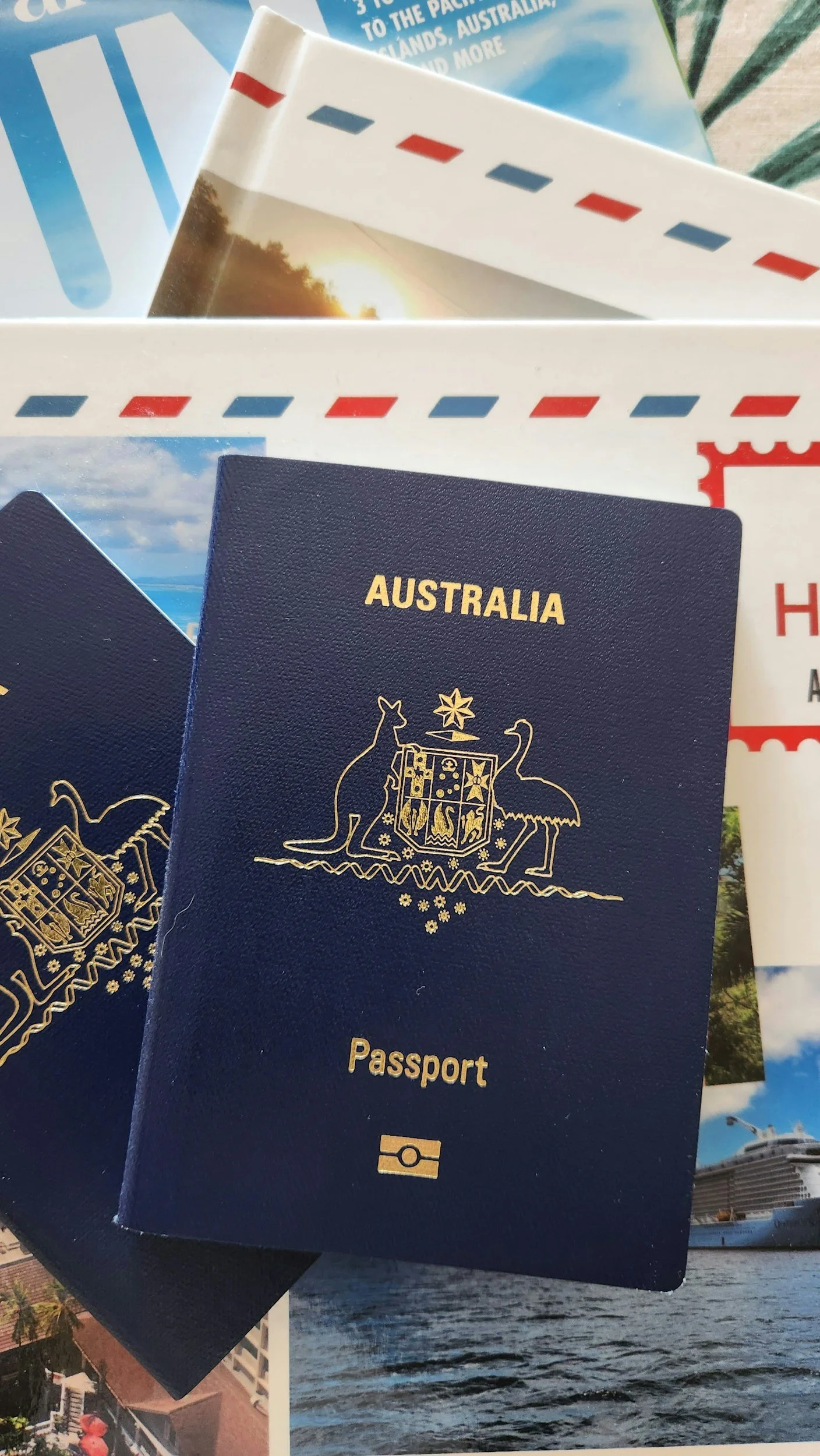
Australia offers several partner visas, each catering to different circumstances. The primary options include the Partner Visa Aus (Subclass 820/801) for those applying onshore and the Partner Visa (Subclass 309/100) for offshore applicants. Each visa has temporary and permanent stages, allowing partners to live together while the permanent application is processed. Choosing the right category depends on the applicant's location and relationship status.
Eligibility Requirements
Applicants must meet specific relationship, health, and character requirements set by the Department of Home Affairs. You must be in a genuine relationship with at least one Australian citizen, permanent resident, or eligible New Zealand citizen. Applicants must provide evidence of commitment, shared responsibility, and mutual support. Health and character tests also apply, which means applicants must meet the standards needed to either enter or live in the country.
Collecting the Documentation You Need
Proper documentation is key to a successful application. This process includes documentation on identity, relationship evidence, and financial stability. Important documents include marriage or civil partnership certificates, joint bank statements, and photographs of your life together. These aspects support the claim that the relationship is genuine and ongoing.
Application Process
The first step of the application is to gather the required documents and fill out the applicable forms. It makes submission so much easier as things are online. Applicants must pay the required fees and submit their application through the Department’s online portal. After applying, you have to wait patiently because the processing period can differ greatly.
Getting to Know the Interview Process
Often, a meeting is required. This allows officials to check the information and consider whether the relationship is real. The interviewer also prepares by going over what has been sent in by the person applying and deciding the questions to ask about their relationship history and circumstances to support their claim. Applicants should provide accurate and consistent responses aligned with submitted documentation.
Processing Times and Costs
Processing times for partner visas can vary due to various factors such as the type of visa and the applicant's situation. That time can be from months to more than a year. Fees vary based on application type and are payable at the time of submission. Additional costs may apply for health and police checks. It is critical that one is well prepared financially for these expenses.
Common Challenges and Solutions
The process is very challenging for the applicants. Things could be delayed if they lacked documentation or needed something else and had to request more information. These challenges are minimised by being organised and communicating clearly with the authorities. Applicants may consult registered migration agents or refer to the Department of Home Affairs website for accurate guidance.
Tips for a Smooth Application
A smooth application process takes diligence and effort. Every form and document must be complete and accurate. To avoid setbacks, such as missing paperwork, even if rare, it is smart to keep multiple backups, including digital copies of everything submitted. Thorough preparation and attention to detail, keeping up with any changes in requirements, and being prepared at each stage of the journey help reduce processing delays.
The Role of Professional Assistance
Although many applicants successfully navigate the process on their own, professional guidance can be beneficial. Registered migration agents or immigration lawyers can provide guidance based on current regulations. Their experience might matter a lot in complicated instances where more information is useful.
How to Keep Relationships Real
Applicants should provide supporting documentation reflecting shared life and mutual commitment. There should be regular communication with each other, some shared experiences, and the practice of giving and receiving support. These elements of experience are what will make the application a great one, but they also show the relationship of the partners at the centre of this bond for an application.
Conclusion
The partner visa journey in Australia can be complicated, so it is critical to plan and be meticulous. Understanding the different types of visas, who qualifies for them, what is required to apply, and the many nuances of these details will better prepare an individual for the process. The keys to a successful application are organisation, asking for help when necessary, and keeping the relationship authentic. With accurate documentation and a decision-ready application, applicants can move forward through the visa process with confidence.
HOW DO YOU FEEL ABOUT FASHION?
COMMENT OR TAKE OUR PAGE READER SURVEY
Featured



When investing in quartz countertops, choosing the right warranty and care package is just as important as selecting the color and finish.