
The Humble Cotton Bale: Fashion’s Unsung Circular Hero
PAGE
By PAGE Editor
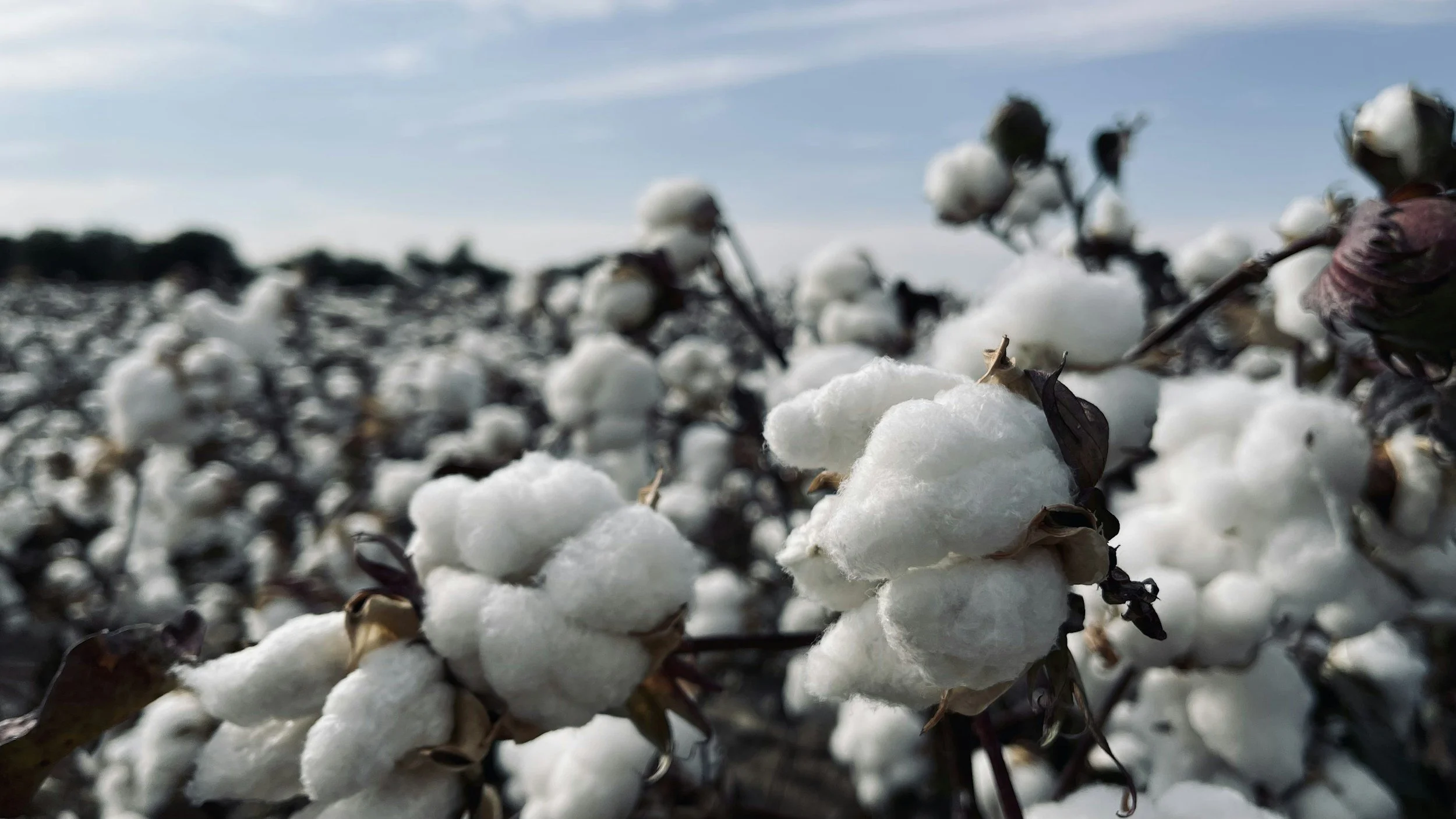
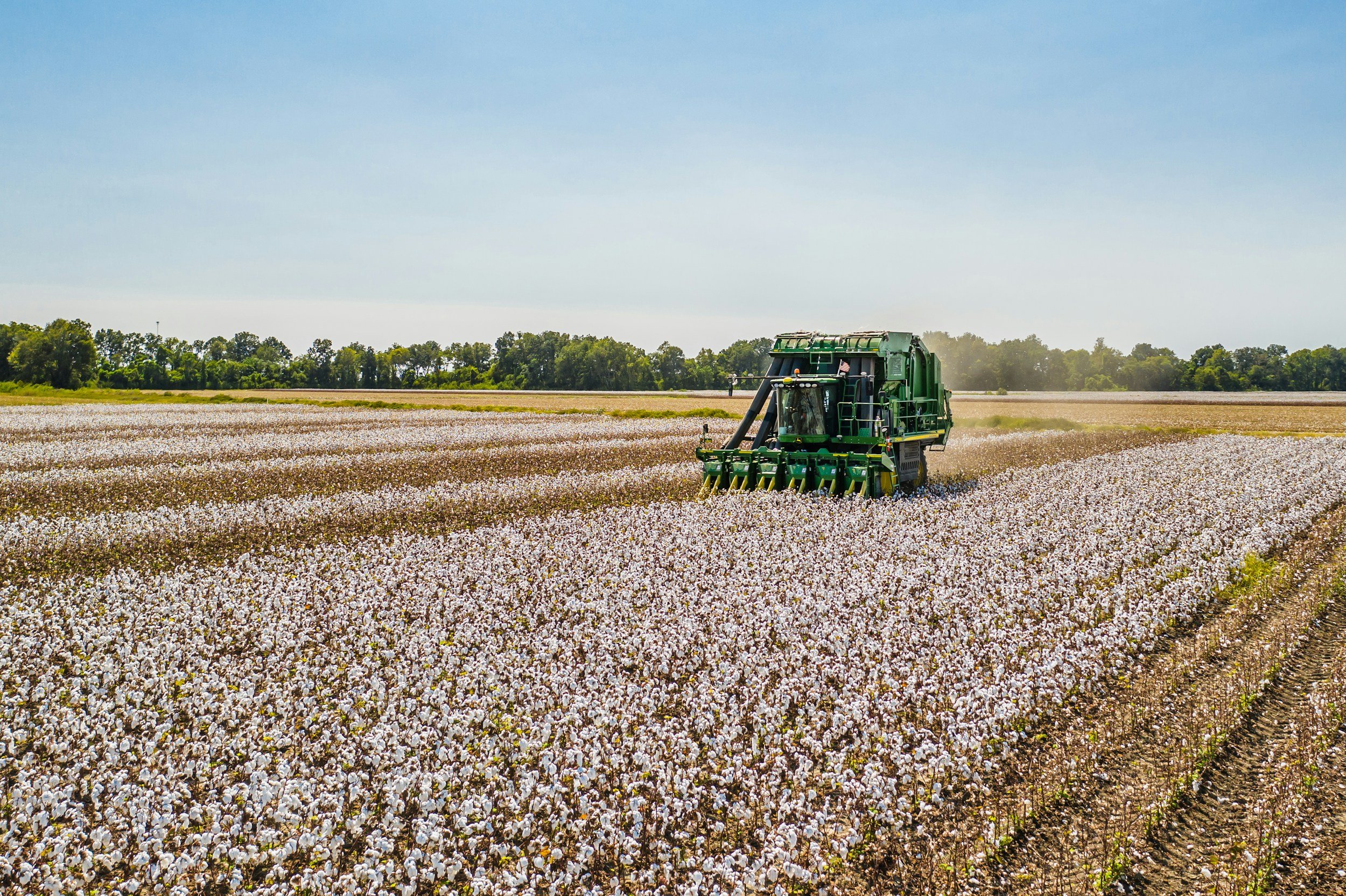
As the American South swings into the rhythmic hum of harvest season, a familiar white fiber is being gathered from fields under vast autumn skies. This annual ritual, a cornerstone of U.S. agriculture, coincides with a quiet but urgent plea from an unexpected quarter: the global textile recycling industry. Their message cuts through the noise of fashion’s sustainability debates, offering a simple, powerful reminder. In the rush toward novel synthetics and high-tech solutions, the industry risks overlooking its most circular, time-tested ally: cotton.
The call from the Secondary Materials and Recycled Textiles Association (SMART) arrives at a moment of striking economic irony. The price of raw, virgin cotton has plummeted to a 30-year low, even as its global demand has been eroded by a tidal wave of polyester and nylon. This confluence of factors, argues the recycling sector, is not a sign of cotton’s obsolescence, but a golden opportunity for reinvention.
“Cotton remains the backbone of the circular textile economy,” asserts Brian Ruben, Board President of SMART. The statement is more than nostalgic; it’s a functional truth based on the daily reality of sorting facilities and resale platforms. Unlike many of its synthetic counterparts, a cotton garment is engineered for a multi-chapter life. Its natural durability makes it a star in the secondhand market, where it is easily repaired, altered, and resold, retaining value long after fast-fashion synthetics have pilled and faded.
But the real magic, recyclers note, happens after the final trip to the charity bin or consignment store. When a cotton garment is truly worn beyond repair, its utility is far from exhausted. It enters a robust and established recovery stream, transformed into industrial wiping cloths, insulation material, or feedstock for next-generation recycling technologies. At its literal end of life, cotton completes a final, elegant act of circularity: it biodegrades, leaving no permanent microplastic footprint in the soil or water.

This practical lifecycle stands in stark contrast to the complicated fate of blended and synthetic fibers, which often downcycle or clog landfill sites. Recyclers see this dichotomy every day in the waste stream. Cotton, particularly when unblended, flows efficiently into its next use. It is the reliable, workhorse fiber that keeps the circular economy moving.
The timing of this reappraisal is deeply symbolic. The United States, the world’s fourth-largest cotton producer, is literally reaping what it has sown. There is a compelling narrative in leveraging an abundant, home-grown, and historically significant fiber to build a more sustainable apparel future. Choosing cotton is not just a design or sourcing decision; it can be a vote for a resilient, domestic supply chain with built-in circular potential.
SMART’s core message to designers and brands is elegantly straightforward: “When you make design choices, choose cotton.” It is a plea for considered intentionality at the very beginning of a garment’s story. The fibers selected on the drawing board irrevocably shape that garment’s environmental destiny and economic value a decade later. In an industry often paralyzed by complexity, cotton offers a clear path.
As harvesters continue their work under the seasonal sun, the takeaway is quietly profound. Sometimes, the most progressive material choice is not found in a futuristic lab, but in the enduring, adaptable, and profoundly circular fiber that has clothed humanity for centuries. The future of fashion, it seems, might be growing in a field.
HOW DO YOU FEEL ABOUT FASHION?
COMMENT OR TAKE OUR PAGE READER SURVEY
Featured





KANE Footwear expands its sustainable recovery portfolio with the Revive OB, an open-backed performance shoe engineered from Brazilian sugarcane-based foam to deliver hands-free convenience, biomechanical support and lower-impact manufacturing.