
The New Bridal Mood Is Quiet, Tailored, And A Little Bit Daring
PAGE
By PAGE Editor
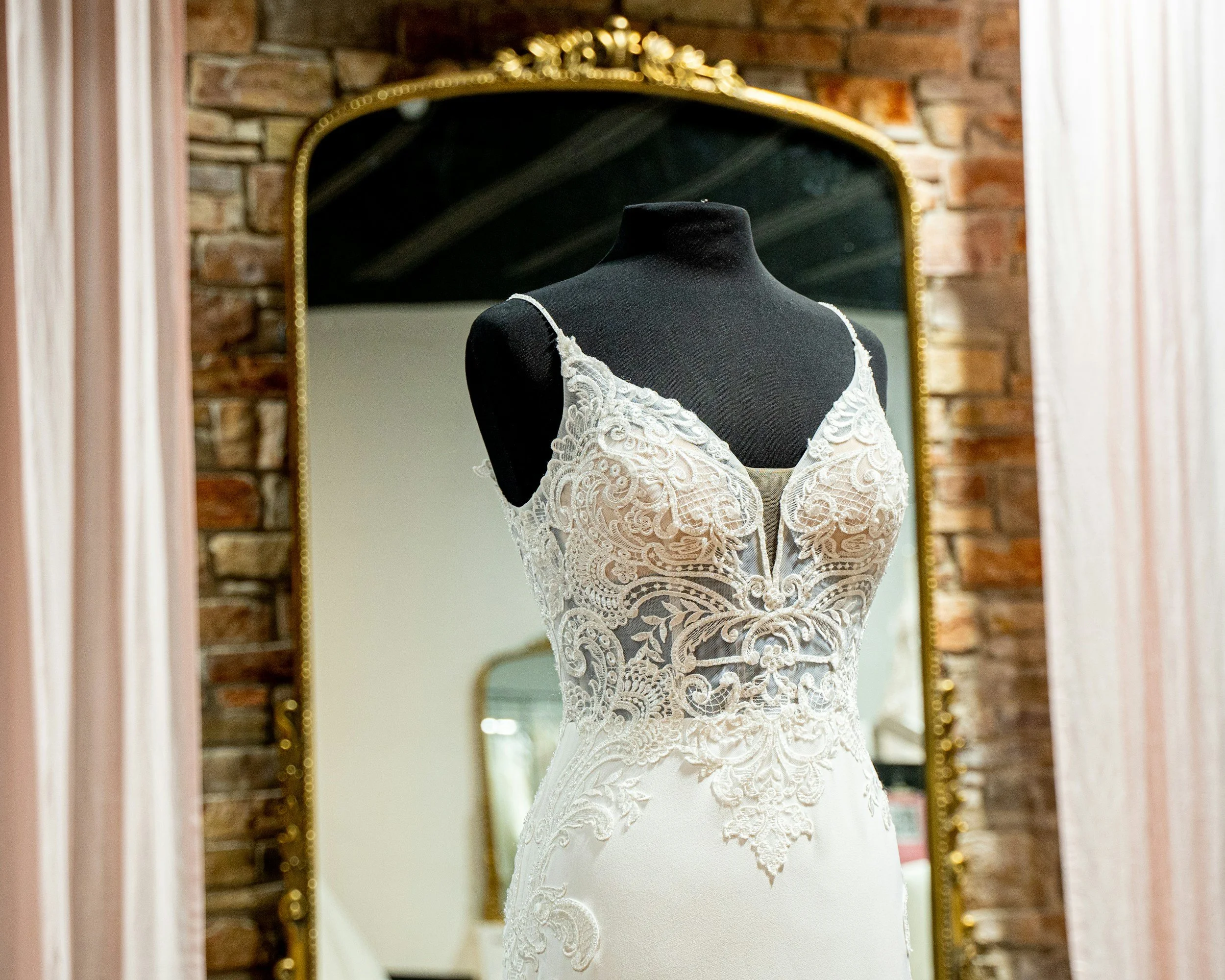
I’ve been thinking a lot about how bridal style is changing. For a long time, weddings were all about big hair and princess fantasies. You might have been beautiful, but you weren't always you. People are interested in things that are unique, easy to touch, and can be worn more than once these days. Think of corsets that hold you in without hurting, silk that flows like water, and small details that don't shout.
Before you even go to a studio to look at dresses, it's surprisingly freeing to look at bridal dresses online . When you watch videos of fabrics moving, zoom in on lacework, and save shapes you never thought you'd love, the first fitting is less scary and more purposeful.. Screens won’t replace the mirror, but they can sharpen your instincts before you book appointments.
Where Craft Meets Comfort
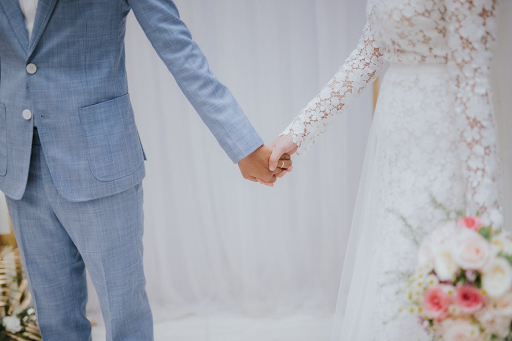
The biggest shift I’m noticing is the way craft is used in service of comfort. A gown can be couture-level and still friendly to dance in. Boning is better placed. Linings breathe. Straps adjust. Even the most embellished styles now hide pragmatic engineering under the romance. That’s why reading the fabric composition matters—mulberry silk, matte crepe, and soft mikado each carry differently, and the right lining can decide whether your dress floats or fights you.
A quick fit checklist I share with friends:
Can you sit, raise your arms, and hug without readjusting the bodice?
Do hems skim the floor in your shoes, not mop it?
When you twirl, does the fabric return to place without you fussing?
These tiny tests save you from spending the reception babysitting your gown.
The Silhouette Reset
We’re in a fascinating moment of restraint. Minimalist sheaths are back, but they’re not plain; they’re cut to trace the torso with scalpels-not-scissors precision. Ballgowns are lighter, too, trading stiff tulle for airy organza so skirts show movement, not mass. And sleeves have evolved—from puffed drama to slender, nearly translucent columns that frame the wrist like jewelry.
A few micro-trends to watch:
Square necklines with straight, architectural straps
Drop-waist corsets that lengthen the torso
Petal overskirts that clip on for the aisle and slip off for the party
The message is consistent: the dress should serve the woman, not the other way around.
Lace, Appliqué, And The New Sparkle
Embellishment is still around, but it's wiser now. Brides are picking where to put their glitter instead of putting it all over. For instance, vines made of beads that go up a seam, petals cut by hand that fall across a bodice, or a single waterfall of crystals at the spine. This focused approach photographs beautifully and feels more modern than uniform sparkle. It also ages better; five years from now you’ll still love the design because it speaks to proportion, not trend.
When you look at close-up photos online, pay attention to thread weight and spacing. Fine, almost invisible stitching allows the motif to look like it’s growing from the fabric. Heavier thread can be lovely too, but it reads graphic, not ethereal. Neither is wrong—just be intentional about the mood.
Founder Focus Oksana Mukha
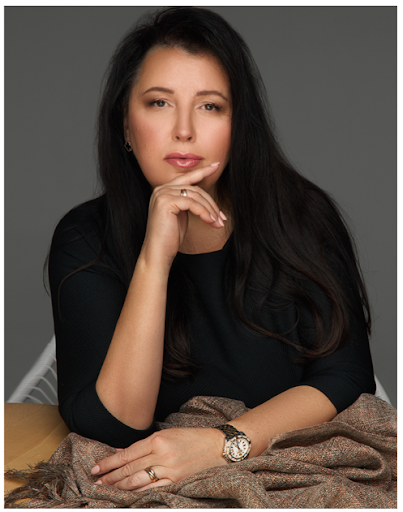
Behind many of the gowns shaping this new mood is the vision of specific founders who still sketch, drape, and obsess over details themselves. One of those names is Oksana Mukha, the Ukrainian designer whose atelier approach shows in the way her pieces balance femininity with line discipline. On the brand’s About Us page, there’s a portrait of Oksana—precise posture, calm gaze—that matches the energy of her work: romantic, yes, but anchored by an editor’s eye. Her collections often pair fluid, light-catching fabrics with tailoring elements that hug the waist, clean up the neckline, and let a bride’s movement lead the design. It’s the sort of craft that feels effortless in motion because so much care is hidden beneath the surface.
Veils, Shoes, And The Art Of Restraint
Accessories are no longer an afterthought. A veil can rewrite the dress—chapel length to soften a structured gown, birdcage to sharpen a soft slip. Shoes are getting lower and prettier. You can wear satin slingbacks with sturdy straps, block heels covered in silk, or even pearl-trimmed flats for an outdoor wedding. Jewelry is skewed on purpose: a single family bracelet, a thin tennis necklace, and small diamond studs. The trick is to echo the dress’s lines. If your neckline is square, choose angular earrings or a sleek choker. If it’s a soft plunge, let a fine lariat trace that line.
Here’s a simple styling rhythm that helps:
Map your lines: neckline, waist, sleeve, hem.
Choose one line to celebrate with accessories.
Leave the others clean so the eye has space to rest.
Fit Appointments That Actually Work
Bring your saved screenshots and notes from your online browsing. Ask about seam allowances (more fabric inside the seams is insurance for micro-adjustments), and request to test your dress in “real movements”: stairs, a short spin, a seated pose at a pretend table. Ask the studio to pin the muslin first so you can see the shape before it's finalized if you want to add a sleeve or change the neckline. A good fitter won't rush through these decisions; they'll treat the edit like a project, not a chore.
Timing matters, too. Many ateliers now offer hybrid journeys: you shortlist online, order a sample to try at home or in a partner studio, then finalize in person. That cadence respects both your calendar and the fact that good gowns take time. Padding your timeline by a few weeks is the nicest gift you can give your future self.
The Dress You Can Live With After The Day
There’s also a growing movement to make bridal less disposable. Some skirts detach. Some slips can be dyed a soft tea or dove gray and worn later with a blazer. Trains bustle into elegant back pleats, not bulky knots. If “cost per wear” matters to you, ask how a piece can transform—most ateliers have quiet solutions ready if you ask the question.
And while sustainability is a huge word, small choices add up: natural fibers where possible, local tailoring, pieces you’ll loan to a sister or friend. The romance of a dress multiplies when it gathers stories.
Your wedding look should feel like an exhale. Start with your gut, sharpen it by browsing, and then let craft take over. The modern bridal mood isn’t about performing an idea of a bride; it’s about amplifying what you already are. The right dress will move with you, hold you, and go away when you laugh. The veil, shoes, and little pearl pins are only the end of a long sentence you've been composing.
HOW DO YOU FEEL ABOUT FASHION?
COMMENT OR TAKE OUR PAGE READER SURVEY
Featured



Recent years have seen several unprecedented advancements in oral care.