
The Role of Kids Play Equipment in Child Development
PAGE
By PAGE Editor
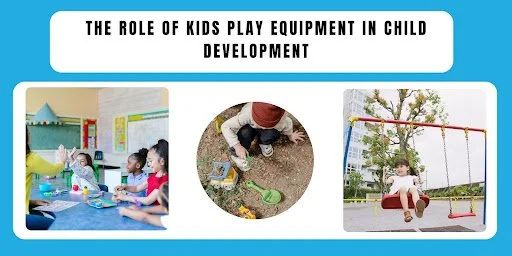
Children are naturally drawn to play, it’s how they first begin to understand the world. But play isn’t only about fun; it’s also the foundation of learning. With the right equipment, play can build strength, improve balance, spark creativity, and teach important life skills, all while making childhood their best stage of life, full of fun and happy memories.
Find out the best kids play equipment that can help your kids learn the vital skills of life while having fun.
What is the use of play equipment?
Play equipment is designed for ‘purposeful play’ that shapes a child’s body and mind. Simply put, you can support your child development through play equipment. Some of the prime benefits includes:
Physical development: Activities like climbing, swinging, or balancing improve posture, coordination, and overall fitness.
Cognitive growth: Open-ended play, such as sand tables or building blocks, strengthens memory, planning, and problem-solving.
Social-emotional skills: Shared play teaches patience, empathy, and teamwork while helping kids build resilience.
Sensory integration: Different textures, motions, and weights calm busy minds and improve focus.
Language and communication: Pretend-play zones encourage storytelling, role-play, and collaborative conversation.
These skills are stepping stones for school readiness and lifelong confidence.
How does outdoor play equipment support learning?
Outdoor spaces are more than playgrounds, they're learning labs under the sky. They help kids in building life traits like:
Risk assessment and confidence: Climbing or sliding teaches kids to judge distances and recover from stumbles.
Executive function: Loose-parts play (crates, planks, hoops) strengthens self-control and flexible thinking.
STEM foundations: Ramps, pulleys, and water play introduce early engineering and physics concepts.
Nature connection: Mud kitchens, garden beds, and sensory paths foster curiosity and love for the environment.
When children combine imagination with fresh air, they learn faster and feel happier.
What is the best kids’ play equipment for learning?
There’s no one-size-fits-all. The best equipment depends on age, available space, and learning goals. Here are some of the best kids play equipment for learning, as per their age:
Toddlers (1–3 years): Soft climbers, mini slides, and ride-ons encourage safe exploration.
Preschoolers (3–5 years): Playsets with monkey bars, pretend shops, or kitchens mix physical challenge with imagination.
Early primary (5–8 years): Cargo nets, scooters, and STEM-based setups keep kids active and curious.
All ages: Swings, sand/water tables, and sensory pathways suit mixed-age groups.
Pro tip: Modular play systems that grow with your child provide lasting value.
How do I choose safe and age-appropriate equipment?
Safety should never be an afterthought; it's the foundation of trust in play. Make sure you read this checklist before you put any of the tool into your cart:
Match the equipment to your child’s age and milestones.
Look for rounded edges, sturdy bases, and weather-resistant materials.
Add impact-absorbing surfacing under climbers.
Pick designs that allow independence while keeping supervision easy.
Choose durable options for year-round play.
A safe play space builds both confidence in kids and peace of mind for parents.
Kids’ play equipment benefits you can measure
The changes from regular play often show up in daily life:
Stronger bodies: Better balance, stamina, and fewer falls.
Sharper minds: More problem-solving and creative storytelling.
Better behavior regulation: Physical outlets reduce restlessness and improve focus.
Richer friendships: Team games and shared rules build social bonds.
These benefits extend beyond the playground into school, home, and future growth.
How much outdoor play do kids need?
According to Kids Health Experts children should have at least an hour of active play every day during the school age. Sharing it between structured play (quartered games) and unstructured play (free exploration) will ensure that the kids can rejuvenate both their body and mind.
With accessible equipment at home or school, reaching this daily goal becomes simple and natural.
How can I make play purposeful without losing the fun?
The key is to guide without controlling. You can add simple yet effective goals to inspire their game spirit for better engagement, like
Add simple challenges like, “Can you cross without touching the ground?”
Rotate props such as cones, chalk, or scarves to spark new ideas.
Encourage storytelling by naming zonescastle, spaceship, or market.
Observe, celebrate effort, and give kids space to figure things out.
A little creativity transforms ordinary play into extraordinary learning moments.
Ready to build a play space that grows with your child?
Physical, emotional and cognitive development is supported by the presence of the right combination of climbers, swings, and open-ended play stations. No matter the size or a backyard set up or school playground, the best ideas to invest in safe and multi-purpose play equipment are creating memories as it grows skills in the future.
So next time when you start your hunt for the best kids toys as a responsive parent, make sure you remember all these points and pick the best deal. You can also explore outdoor play equipment for kids development, designed for Australian families at Go Easy Online, they are one of the trusted Australian brands for their exceptional line of kids play space.
HOW DO YOU FEEL ABOUT FASHION?
COMMENT OR TAKE OUR PAGE READER SURVEY
Featured

Recent years have seen several unprecedented advancements in oral care.