
What Does SPF Stand For & Why Does It Matter?
PAGE
By PAGE Editor
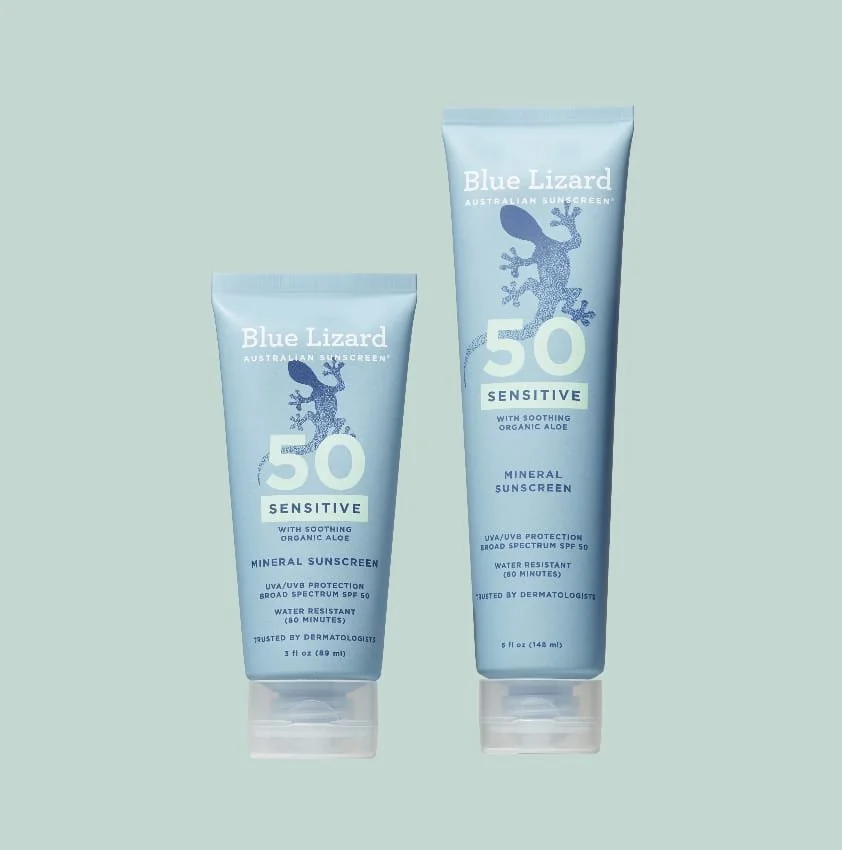
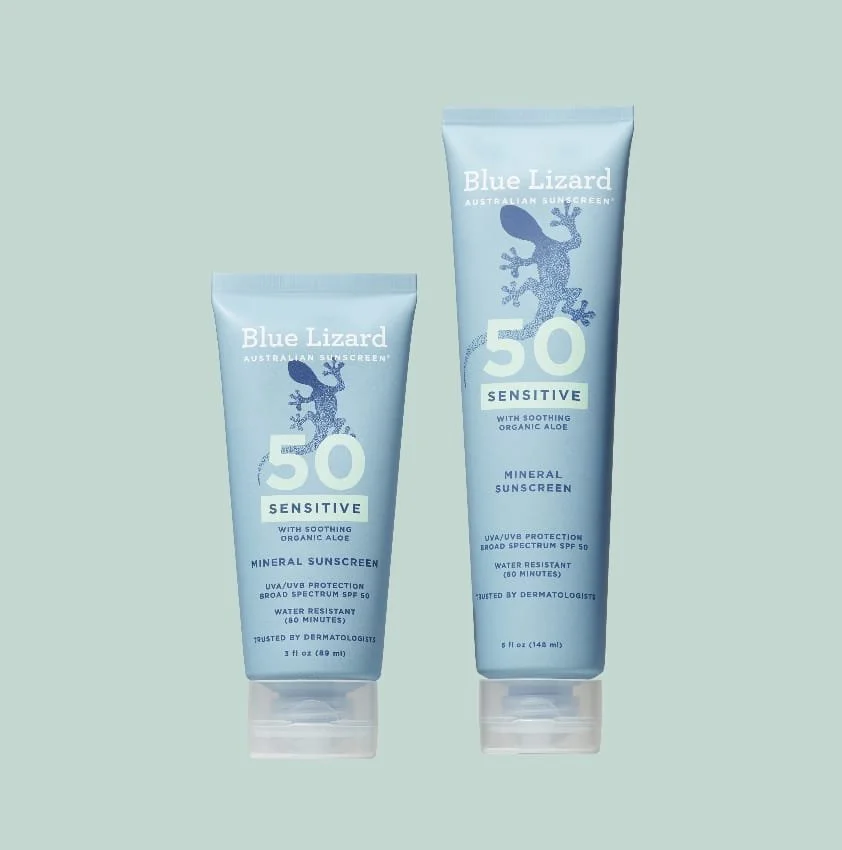
TL;DR: SPF expands to ‘Sun Protection Factor’. It’s a scale that measures how well the product the number is on blocks UVB rays. It’s a scale that matters, as it affects the protection you get - so you need to pay attention to it.
Most people know there’s a number on sunscreen bottles, but often don’t pay much attention to it. The reality is that they should, because it really does matter. The SPF scale includes 15, 30, 50 and there are even some that offer factor 100 - although they aren’t that common. It can be confusing, which is why we created this blog to answer the question - what does SPF stand for?
One thing that’s easy to comprehend is that the higher the number, the more protection you’re going to get, but it is a touch more nuanced than that, as we’ll explain.
What Does SPF Stand For? What to Know
What does SPF stand for? It’s pretty easy: Sun Protection Factor. It measures how well a sunscreen protects your skin from UVB rays - the ones that cause sunburn. The number tells you how much longer your skin can theoretically tolerate UVB exposure before burning compared to wearing nothing.
If you usually start to burn after 10 minutes in strong sun, an SPF 30 suggests you could last 30 times longer before burning - under controlled conditions. Real life isn't lived in a lab. People apply too little, miss areas, forget to reapply, or wipe it off on a towel without thinking.
What the Numbers Really Tell You
A common assumption is that SPF 30 gives you double the protection of SPF 15. It’s a natural assumption to make, but it doesn't work like that. Here’s what you should be taking from the numbers of the bottle:
SPF 15 blocks around 93% of UVB rays
SPF 30 blocks around 97%
SPF 50 blocks around 98%
The differences might look modest, but when it’s your skin health at stake, those differences add up to extra protection, but don’t be going into it thinking that 15, 30, and 50 relate to anything but the amount of time you can stay out in the sun safely.
SPF Doesn’t Explain the Whole Story
As we’ve just covered, the number only describes the level of UVB protection you get, so what else do you need to think about? Well, there’s UVA rays coming from the sun, too, and they’re the ones that make your skin look old and can give you melanoma. To get protection from both, you need what’s known as a ‘broad spectrum’ product.
Believe it or not, there are some products out that don’t and when you use them, you’re only getting part of the protection required. Stick with mineral sunscreens, because zinc oxide products offer broad spectrum protection naturally.
What Does SPF Stand For? A Helpful Scale to Guide You
The SPF scale represents a guide that helps you use the right sunscreen for your skin type, and sensitivity to sunlight. When you’re going about your day to day, an SPF 30 is usually ok for most, but if you’re going to be spending hours in the sun on holiday, an SPF 50 will give you a little extra.
When you know what you’re looking for, the SPF number is one of the most important things to consider. It’s not everything though, so be sure to take everything into consideration before you buy your next bottle.
HOW DO YOU FEEL ABOUT FASHION?
COMMENT OR TAKE OUR PAGE READER SURVEY
Featured




Cult Gaia debuts its Spring/Summer 2026 Men’s Collection with a sculptural, Rio-inspired lineup of breathable tailoring, embroidered outerwear, and elevated swimwear, marking the brand’s confident expansion into menswear.