
3D-Printed Homes Are Changing the Way We Build—And Live
PAGE
By PAGE Editor
What if your next home wasn’t built with hammers and nails, but printed—layer by layer—by a machine? That’s not science fiction. It’s real, and it’s happening now. Around Austin especially, construction companies like ICON are using massive 3D printers to build homes faster, more efficiently, and with less environmental impact than traditional methods. The material? A proprietary, concrete-like mix called Lavacrete. The process is much like piping icing onto a cake—but the end result is a durable, livable, stylish home.
A Smarter, More Sustainable Way to Build
Conventional homebuilding, while time-tested, often brings along certain challenges—especially when it comes to material use, energy demands, and long timelines. In contrast, homes created through large-scale 3D printing offer a more thoughtful, efficient approach. Because everything is printed to exact specifications, there’s little to no excess—resulting in significantly less material waste. The process tends to move quickly, too, with structural walls often completed in a matter of days. That means fewer vehicles on-site, less noise and disruption, and a faster construction timeline overall. Altogether, it’s a building method that pairs innovation with environmental awareness—quietly rethinking what sustainable housing can look like, and offering a glimpse of how we might build more responsibly in the years ahead, adds B&R Property Management.
Design That Does More With Less
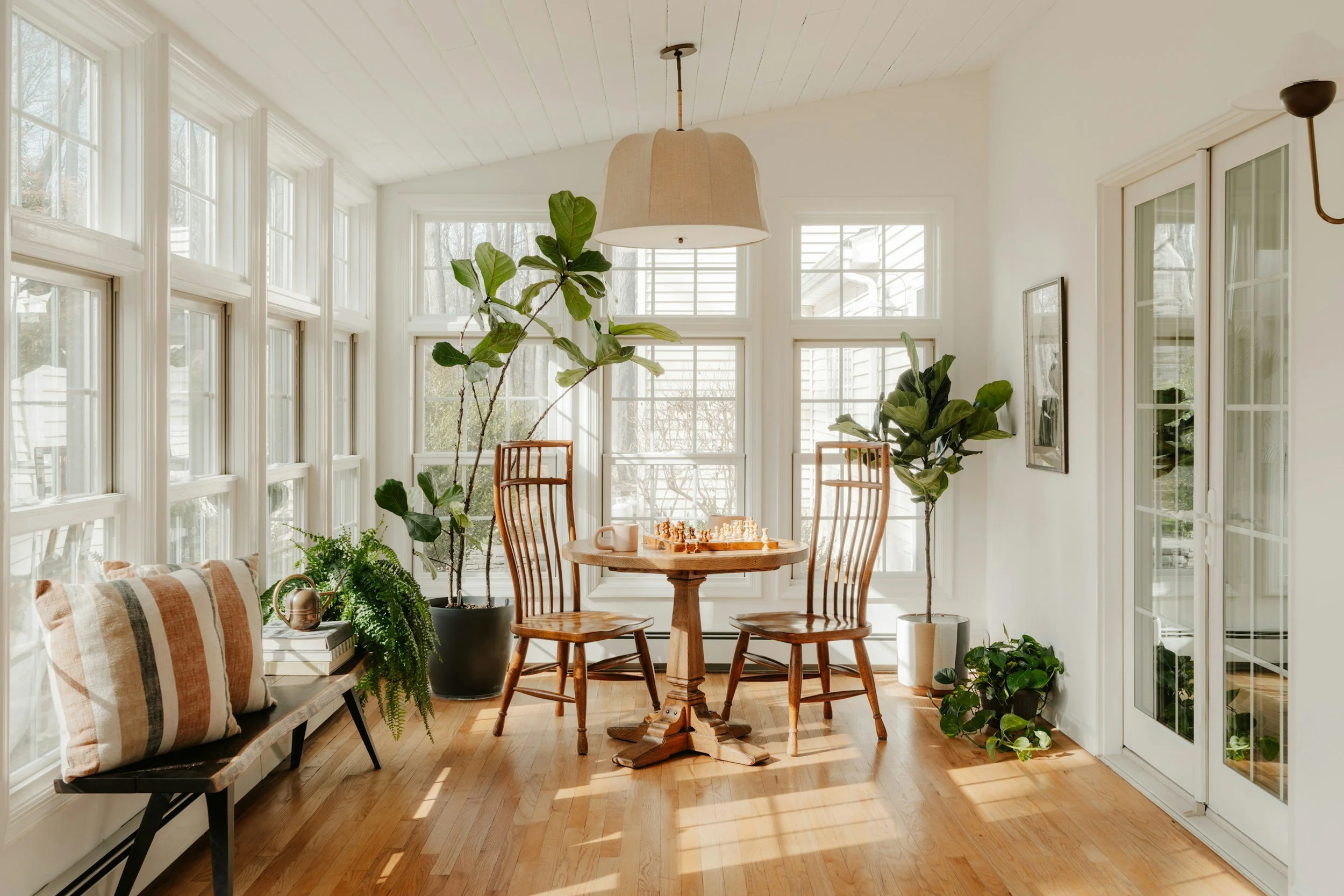
What surprises most new homeowners is just how done a 3D-printed home already feels before they’ve even unpacked a single box. The layered construction process gives the walls a naturally sculpted texture—soft curves, rhythmic lines, and a sense of flow that feels both modern and warm. There's an architectural elegance built right in, with no need to cover anything up or redo what’s already working. These aren’t blank white boxes that require endless trips to the hardware store or a full interior design plan. Instead, they offer a calm, curated canvas where the structure itself is already part of the aesthetic. That’s why so many homeowners feel genuinely excited to focus only on the personal details—the framed photos that hold memories, the well-worn chair with its own history, the books, the plants, the art that reflects who they are. It’s not just about filling space; it’s about celebrating it. When the home’s bones already feel complete, the little things—the truly meaningful things—stand out even more. And in a space that doesn’t compete for attention, your life becomes the centerpiece.
A Smart Solution to a Pressing Problem
Austin, like many growing cities, is facing a serious housing crunch. Prices are up, timelines are long, and affordable options are increasingly hard to find. 3D-printed homes address those challenges head-on. Because they’re faster and cheaper to build—with less need for skilled labor and fewer costly delays—they create opportunities for more accessible housing without cutting corners on quality or design. These homes are structurally sound, energy-efficient, and built to last, making them an ideal solution for both individual buyers and larger-scale developments. Entire neighborhoods are being printed with a vision of affordability, inclusivity, and future-forward design.
What’s also a perk is that as this technology grows, so does the potential for more efficient, equitable housing solutions across the country. In the end, what’s most exciting isn’t the printing process itself—it’s what that process unlocks. Faster homes. Greener building. Better access. And, most importantly, more people getting to say, "This is mine."
HOW DO YOU FEEL ABOUT FASHION?
COMMENT OR TAKE OUR PAGE READER SURVEY
Featured


A comfortable home should offer more than a place to sleep and eat.