
What Kind of Massage Would Suit You? Here’s How to Tell

PAGE
By PAGE Editor
Ever walked past a spa menu, seen words like “Swedish,” “deep tissue,” “shiatsu,” and “lymphatic drainage,” and suddenly felt like someone tossed you into a wellness-themed spelling bee? It's a surprisingly common moment—when the body craves relief but the mind gets tangled in too many options. Choosing a massage shouldn’t feel like picking a major in college.
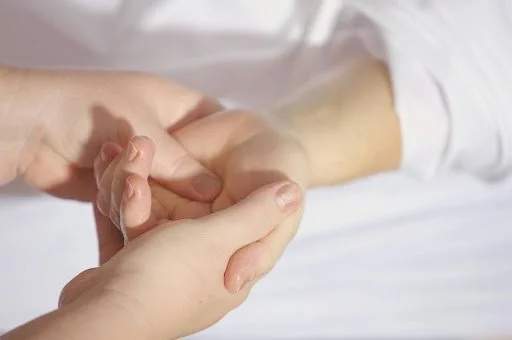
Luckily, there’s a way to narrow it down without needing a background in Eastern medicine or an encyclopedic knowledge of muscle groups. It all starts with one simple question: what does the body actually need right now? Here is what you can get at massage treatments in Brighton.
Feeling Worn Out and Tense?
When the muscles ache from daily wear-and-tear—think long hours at a desk, too much phone-scrolling, or carrying kids around—Swedish massage tends to be the go-to. It’s gentle, rhythmic, and relaxing, like a warm blanket in motion. This type suits anyone who’s not chasing deep pressure but still wants to walk out feeling lighter, calmer, and a little less human-shaped knot.
Swedish massage doesn't just soothe the surface. Its flowing strokes help boost circulation, release superficial tension, and even calm the nervous system. It’s ideal for someone testing the waters or needing a mental reset with a side of muscle love.
Need Something Deeper?
Now, for those carrying what feels like decades of stress in the shoulders, deep tissue massage might be the real game-changer. It’s not always the most comfortable ride—especially if the muscles have been in stubborn mode for a while—but the results speak volumes. This is where tight knots get broken down, scar tissue is addressed, and range of motion gets its groove back.
Deep tissue doesn’t mean brute force, though. A skilled therapist works layer by layer, gradually coaxing the deeper tension to release. Perfect for athletes, desk-bound warriors, or anyone who constantly says, “It just won’t loosen.”
Want to Recharge, Not Just Relax?
Sometimes, energy levels dip without any clear reason. That’s where something like shiatsu or Thai massage steps in. These methods aren't only about muscle tension—they’re about the flow of energy, balance, and bringing everything into alignment.
Shiatsu, for example, uses finger pressure along energy meridians (similar to acupuncture but without the needles). Thai massage, often done fully clothed on a mat, involves stretching, pressure, and guided movement—almost like someone doing yoga for you. They can both be invigorating, grounding, and surprisingly emotional.
These are great picks when the body doesn’t feel sore, but something just feels “off.” They’re especially worth considering during seasonal transitions, burnout phases, or times when energy needs a serious reboot.
Feeling Puffy, Stuck, or Sluggish?
The phrase “lymphatic drainage massage” may sound a little clinical, but it’s one of the most overlooked yet powerful tools for helping the body detox, reduce inflammation, and fight that post-travel bloat.
Unlike other massages, this one uses super-light, rhythmic strokes to gently encourage lymph flow. It’s not about pressure at all—it’s about direction and repetition. Great for boosting the immune system, speeding up recovery, or helping with fluid retention.
Not just for those with medical conditions, this massage suits anyone looking to feel a bit cleaner from the inside out. The effects are subtle at first, but the afterglow? Quietly amazing.
On the Edge of Exhaustion?
For moments when stress has gone from mental to physical—where sleep feels impossible, the heart races without cause, or anxiety plays on repeat—aromatherapy massage offers a different kind of reset. The essential oils used here aren’t just there for the scent; they’re carefully chosen to calm, uplift, or restore, depending on what’s needed most.
Combined with light to medium pressure, this massage is more of a whisper than a shout. But it’s often exactly what the nervous system needs. It’s the kind of touch that reminds the body it’s safe to let go.
Got Something Specific Going On?
Then there’s sports massage, prenatal massage, trigger point therapy, and other more tailored approaches. These tend to be issue-focused: a sore hamstring from running, hip pain during pregnancy, or that one knot that refuses to move no matter how much foam rolling happens.
These are less about full-body relaxation and more about focused problem-solving. And when guided by a therapist who listens, they can be powerful tools—not just for healing, but for preventing future discomfort, too.
So… How to Choose?
Start by tuning into what the body’s been trying to say lately. Tired? Bloated? In pain? Wired? That first clue helps eliminate half the options right off the bat. And don’t stress about getting it “wrong.” The first session is always a bit of an experiment—and therapists are usually happy to adjust mid-session if something’s not working.
Sometimes, a massage that seemed unfamiliar on paper turns out to be the exact thing the body was missing.
A Final Thought
Massage isn’t a luxury; it’s a conversation between body and therapist. And like any conversation, it works best when there’s honesty, intention, and a little curiosity. No need to wait for a back spasm or emotional breakdown to book the next one—just a willingness to feel a little more at home in your own skin.
Who knew choosing a massage could be this empowering?
HOW DO YOU FEEL ABOUT FASHION?
COMMENT OR TAKE OUR PAGE READER SURVEY
Featured




KANE Footwear expands its sustainable recovery portfolio with the Revive OB, an open-backed performance shoe engineered from Brazilian sugarcane-based foam to deliver hands-free convenience, biomechanical support and lower-impact manufacturing.