
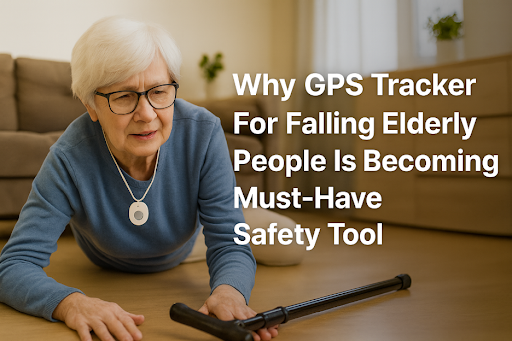
Why GPS Tracker For Falling Elderly People Is Becoming Must-Have Safety Tool?
PAGE
By PAGE Editor
Caring for an old parent or relative often brings constant worry, particularly when you are aware of how quickly a mere slip can change everything.
You may be concerned when they take longer than expected on a walk or do not pick up the phone immediately. These small doubts begin to accumulate, and before you know it, you are visualizing possibilities that you never want to see.
In such a situation, the necessity to have reliable safety assistance becomes hard to deny.
This is where GPS-based safety devices come in. These devices detect falls are increasingly becoming invaluable to the safety of the elderly while supporting their independence.
This article highlights the reason why modern GPS-based safety devices are essential.
1. Real-Time Location Tracking Helps You Stay Connected
Helping a loved one begins with being certain that they are safe, and a GPS tracker for falling elderly people makes that possible with precision and real-time information about their position. This one feature alone can eliminate any doubts, as you can locate where they are at any given moment.
In addition, if a senior goes for a walk, visits a friend, or goes to the store, GPS tracking eliminates guesswork. You do not have to worry about delays or missed calls, as the GPS tracker provides instant clarity. This enables you to react fast in case they require assistance or when something appears unusual.
Moreover, real-time monitoring supports independent living. The elderly are able to continue with their daily tasks without any hesitation, while you can rest assured that you can contact them regardless of where they are.
2. Automatic Fall Detection Responds When They Can't
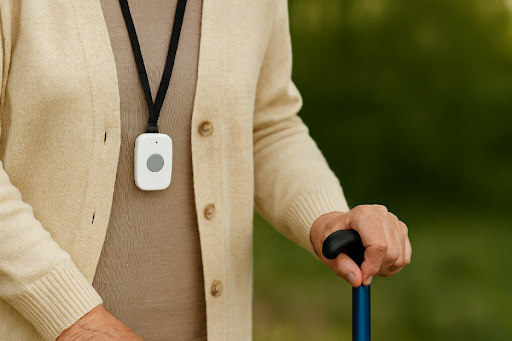
Falls may be unpredictable, and most elderly people find it hard to access a phone after that. Automatic fall detection fills this gap by tracking the movement and identifying the occurrence of a fall in real time.
This technology does not require the elderly to press a button. Once a serious fall has been detected, the device triggers an alert and starts the help retrieval process. Thus, despite being disoriented, wounded, or incapable of calling out, a helping hand is on its way.
Moreover, shorter response time can greatly lower the chances of the occurrence of complications, particularly among those who reside alone. This adds an extra security level that the old-fashioned phones or even check-in systems cannot match.
3. Two-Way Communication Ensures Help Is Always Within Reach
Emergency communication can be of vital importance. Two-way voice devices enable the seniors to speak to trained responders who are able to evaluate the circumstance, decide how urgent it is, and remain in touch until someone arrives.
Moreover, elderly individuals do not have to look for a phone or memorize numbers under pressure. The built-in microphone and speaker ensure that the process is easy, quick, and straightforward.
For caregivers, the feature eliminates the burden of constant availability. You may be in a meeting, asleep, or away from your phone, but still, the loved one can contact somebody who can act immediately.
4. Portable Safety That Goes Wherever They Go
Today's seniors are more active than ever before. They love visiting friends, gardening, shopping, and attending social events. Since mobility is not limited only to the home, safety support should follow.
Portable GPS devices make sure that seniors are protected wherever they go. Whether they are inside, outside, or traveling, the device provides similar functionality as long as it has cellular coverage.
Moreover, gadgets are generally light, comfortable, and can be worn on a daily basis. When the safety devices are convenient, the seniors are more willing to wear them, which means that they will be protected throughout the day.
5. Proactive Alerts Help You Address Issues Early
Beyond fall detection and tracking, modern devices often include proactive monitoring features that help caregivers stay ahead of potential risks. These alerts can notify you if unusual inactivity is detected, if the device has not moved for an extended period, or if something about the user's routine seems concerning.
As a result, intervention becomes more proactive instead of reactive. You can address a potential health or mobility issue early, before it becomes a true emergency.
Additionally, these subtle monitoring features support privacy. Seniors are not constantly interrupted with calls or check-ins, yet their overall safety remains a priority. This creates a respectful balance between independence and reassurance.
6. Coexistence Of Independence and Safety
Every senior values freedom, routine, and dignity. At the same time, families want consistent protection and peace of mind. A modern GPS safety tool bridges this divide by offering dependable support without restricting day-to-day life.
When seniors know they have a device that can detect falls, provide instant access to help, and keep loved ones informed, they feel more confident staying active. And when caregivers know these features are always working in the background, they can worry less and focus on meaningful interactions instead of constant monitoring.
Additionally, these tools support healthier aging by encouraging mobility, social activity, and autonomy—without sacrificing safety.
Final Thoughts
A GPS tracker designed with fall detection and two-way communication isn’t just another device. It’s a practical, reliable safety solution that supports seniors wherever they go. As mobility changes with age, having a dependable tool that offers real-time tracking, rapid response, and proactive monitoring becomes more than helpful—it becomes essential. The right device can ease daily worries, support independence, and ensure that help is always ready when it matters most.
HOW DO YOU FEEL ABOUT FASHION?
COMMENT OR TAKE OUR PAGE READER SURVEY
Featured



The environment your family member returns to can affect their recovery after leaving the hospital.