
Are Dark Eye Circles A Sign Of Health Issues?
PAGE
By PAGE Editor
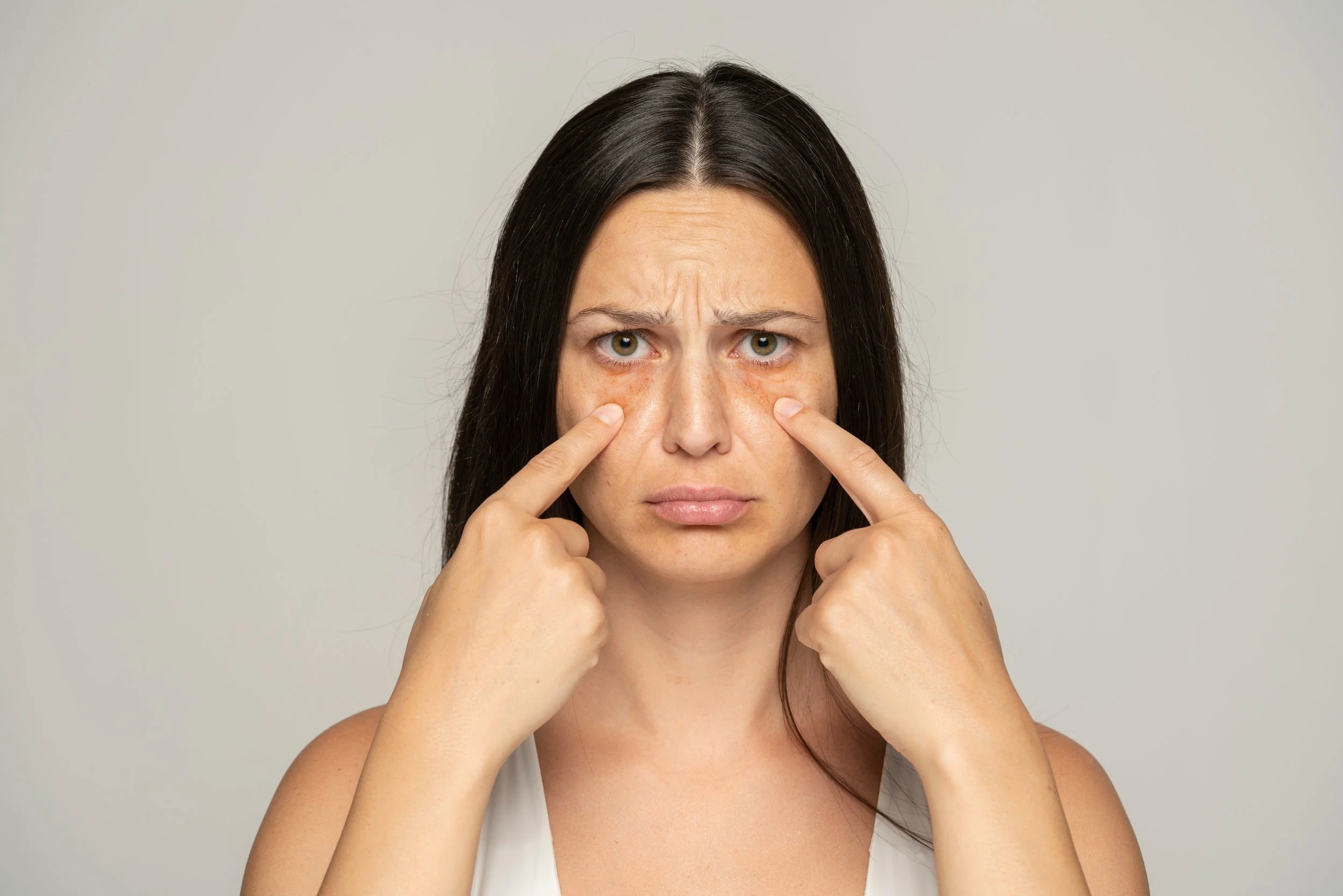
When you notice dark circles under your eyes, your first thought might be that you didn’t get enough sleep. That’s a common reason, but it’s not the only one. Sometimes, dark circles can say more about your health and habits than you realize. They might even reflect what’s happening inside your body.
What Causes Dark Eye Circles
Dark circles often appear because the skin under your eyes is thin and delicate. When blood vessels beneath the surface show through, they create that shadowy look. Doctors sometimes call this periorbital hyperpigmentation, which refers to darker skin around the eyes caused by several factors. Genetics also play a big role, meaning some people are simply more prone to them.
Poor sleep, dehydration, and sun exposure can make dark under-eye circles stand out more. If you’ve been rubbing your eyes due to allergies or eye strain, that can worsen discoloration too. Over time, the loss of fatty tissue around the eyes can cause hollows that make circles appear deeper.
For those seeking a deeper understanding of the causes and modern approaches to managing them, exploring the insights offered by professionals in dark eye circles Singapore can provide helpful guidance based on advanced aesthetic expertise.
Still, not every dark shadow under your eyes means something’s wrong. Sometimes, your body’s just tired and needs rest, water, and a bit of care.
Lifestyle and Environmental Factors You Might Overlook
It’s easy to forget how much your environment affects your skin. Many daily habits and conditions can make dark circles worse without you noticing.
Here are a few factors that often contribute:
Long screen hours: Too much screen time strains your eyes and affects the skin around them.
Polluted air: Dust and toxins in the air can irritate your skin and dull its tone.
Air conditioning: Dry indoor air pulls moisture from your skin and worsens discoloration.
Dietary habits: High salt intake can lead to fluid retention, making the area look puffy.
Stress and fatigue: These interfere with circulation and slow down skin repair.
All these small, everyday factors can quietly take a toll on your skin. When you understand how they work together, it’s easier to make small changes that protect and refresh the delicate area under your eyes.
When Dark Circles Might Signal Health Problems
Sometimes, dark circles hint at something deeper. Iron deficiency anemia, for example, can make your skin look pale and your under-eye area darker. Thyroid problems may also affect blood flow and skin tone, leading to discoloration.
Allergies and sinus congestion can also cause inflammation and swelling around the eyes. When your nasal passages are blocked, blood vessels under your eyes expand, creating a shadow. This can make puffy eyelids more noticeable.
If the darkness doesn’t fade after lifestyle changes, it might be a sign your body needs better rest and recovery to fully heal and restore balance.
How to Tell If It’s a Health Issue or Just Fatigue
You can usually tell the difference by paying attention to timing. If your dark circles appear after several sleepless nights or stressful days, they’ll likely fade once you rest and hydrate your skin.
But if they stay for weeks or months despite good habits, that’s worth a closer look. Persistent dark circles may indicate a health or skin concern that needs expert care.
Another way to tell is by checking how your skin reacts to light pressure. If the color fades when you press gently, it might be due to blood vessels showing through. If it doesn’t, pigment changes in the skin could be the reason.
In some cases, deep hollows called the tear trough area can also make shadows appear darker. Your anatomical factors, like bone structure or skin thickness, can make these circles more visible too. Knowing this helps you find the right treatment options instead of guessing.

Treatment and Prevention: What You Can Do
You don’t have to live with dark circles if they bother you. Simple daily habits and consistent care can make a real difference.
Here are some effective steps to help manage and prevent them:
Better sleep habits: Avoid sleep deprivation and keep a consistent bedtime routine.
Nutritious diet: Eat foods rich in vitamin C and vitamin K to strengthen skin and reduce discoloration.
Collagen support: Include collagen peptide supplements or collagen-rich foods to help maintain elasticity.
Daily sunscreen use: Shield your skin from harmful rays that can darken the under-eye area.
Targeted skincare: Use eye creams with retinol, caffeine, kojic acid, or hyaluronic acid to brighten and firm.
Cold compresses: Reduce puffiness and refresh tired eyes after long days.
Protect your eyes outdoors: Wear uv-filtering sunglasses for sun protection to reduce darkening and protect delicate skin.
Professional care: Consider medical treatments offered through aesthetic medicine for deeper correction.
Combining healthy habits with expert guidance gives your skin the best chance to recover and stay vibrant. With patience and consistency, you’ll notice your eyes looking more awake and youthful.
Conclusion
Your eyes can reveal more than just emotions, they can reflect your overall well-being. Paying attention to dark circles helps you understand your body’s signals before they become bigger concerns. Treating them with care isn’t about vanity; it’s about taking charge of your health and how you feel in your own skin. When you care for your body inside and out, your eyes will naturally look brighter and healthier.
HOW DO YOU FEEL ABOUT FASHION?
COMMENT OR TAKE OUR PAGE READER SURVEY
Featured





Recent years have seen several unprecedented advancements in oral care.