
How to Renovate an Old Kitchen: Modern Solutions for Outdated Spaces
PAGE
By PAGE Editor
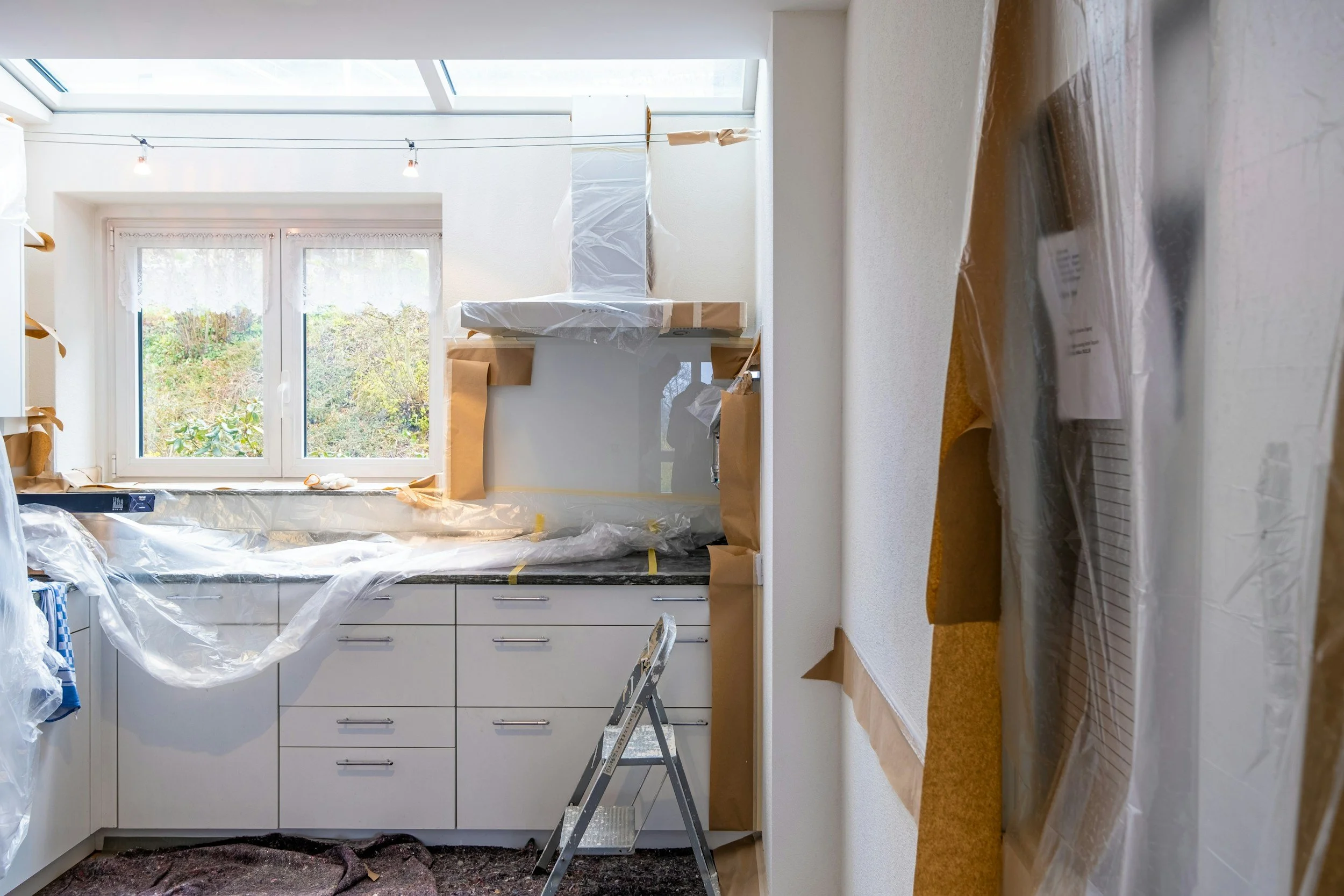
An old kitchen often carries charm and nostalgia, but it can also feel outdated, inefficient, and impractical for modern living. Renovating such a space requires balancing respect for its original character with the integration of contemporary solutions that enhance functionality and style. Whether you are dealing with worn-out cabinetry, outdated appliances, or poor lighting, modern renovation strategies can breathe new life into the heart of your home.
Assessing the Existing Space
The first step in renovating an old kitchen is to carefully assess its current condition. Look at the layout, storage capacity, and structural integrity of the cabinets and flooring. Identify areas that no longer serve your needs, such as insufficient counter space or awkward traffic flow. This evaluation helps determine which elements can be preserved and which must be replaced. Sometimes, small adjustments like reconfiguring the placement of appliances or adding an island can dramatically improve usability without requiring a complete overhaul.
Updating Cabinetry and Storage
Cabinetry often defines the look and feel of a kitchen, and in older spaces, it is usually the most dated feature. Modern solutions include replacing worn cabinets with sleek, minimalist designs or refinishing existing ones with fresh paint and new hardware. Open shelving is another popular option, offering a contemporary aesthetic while encouraging organization. To maximize storage, consider installing pull-out drawers, vertical dividers, and corner units that make use of every inch. These updates not only modernize the appearance but also improve efficiency.
Modern Countertops and Surfaces
Countertops in older kitchens are often made of laminate or tile, which can appear dated and wear down over time. Renovating with modern materials such as quartz, granite, or solid-surface composites instantly elevates the space. These materials are durable, easy to maintain, and available in a wide range of colors and patterns. Pairing new countertops with a stylish backsplash, such as subway tiles or glass mosaics, adds a contemporary touch while protecting walls from spills and stains.
Appliance Upgrades
Outdated appliances are not only inefficient but can also detract from the overall design. Modern kitchens benefit from energy-efficient appliances that save on utility bills while offering advanced features. Stainless steel remains a timeless choice, but matte finishes and integrated appliances that blend seamlessly with cabinetry are gaining popularity. Smart technology, such as ovens with Wi-Fi connectivity or refrigerators that track inventory, brings convenience and innovation to everyday cooking.
Lighting Enhancements
Lighting plays a crucial role in transforming an old kitchen. Many outdated kitchens suffer from poor illumination, making tasks difficult and the space feel gloomy. Kitchen renovation Manhattan should include layered lighting solutions: ambient lighting for overall brightness, task lighting for work areas, and accent lighting for decorative elements. Under-cabinet LED strips, pendant lights over islands, and recessed ceiling fixtures create a well-lit, inviting environment. Modern lighting not only improves functionality but also adds warmth and character.
Flooring Solutions
Old kitchens often feature worn linoleum or outdated tiles. Modern flooring options such as hardwood, engineered wood, or luxury vinyl provide durability and style. Porcelain tiles are another excellent choice, offering resistance to moisture and a wide variety of designs. Choosing flooring that complements cabinetry and countertops ensures a cohesive look. Additionally, radiant heating systems can be installed beneath floors to add comfort, especially in colder climates.
Incorporating Open Layouts
Many older kitchens are closed off from the rest of the house, reflecting a design philosophy that separated cooking from socializing. Modern renovations often involve opening up the kitchen to adjacent living or dining areas. Removing non-structural walls or adding pass-through windows creates a more spacious and connected environment. This open-concept design encourages interaction and makes the kitchen a central gathering place for family and guests.
Adding Personal Style
While modernization is key, a renovated kitchen should also reflect personal taste. Incorporating unique elements such as a statement backsplash, bold cabinet colors, or vintage-inspired fixtures can preserve the charm of the original space while updating its functionality. Mixing modern materials with traditional accents creates a balanced design that feels both fresh and timeless.
Conclusion
Renovating an old kitchen is an opportunity to transform a dated space into a modern, functional, and stylish hub of the home. By updating cabinetry, countertops, appliances, lighting, and flooring, homeowners can achieve a contemporary look while improving efficiency. Incorporating open layouts and personal touches ensures the kitchen remains inviting and reflective of individual style. With thoughtful planning and modern solutions, even the most outdated kitchen can become a space that blends tradition with innovation, serving as the heart of the home for years to come. Transform your living space with expert craftsmanship by visiting NYCrenovation.com, where modern design meets lasting quality.
HOW DO YOU FEEL ABOUT FASHION?
COMMENT OR TAKE OUR PAGE READER SURVEY
Featured





People sometimes arrive for their first appointment with hope and apprehension.