
“Keep Going”: How SUM LONDON Stitches Heritage, Identity, and Sustainability Into Modern Workwear
PAGE
By PAGE Editor
In the current fashion industry, we are constantly surrounded by cheap micro-trends that rely on unethical production. However, the London-based luxury brand SUM LONDON is stitching together heritage, culture, and sustainability, proving that clothing can be stylish, reflect one's identity, and preserve the planet. SUM LONDON was founded by Margaret Sam and has since been committed to creating classic yet experimental luxury pieces.
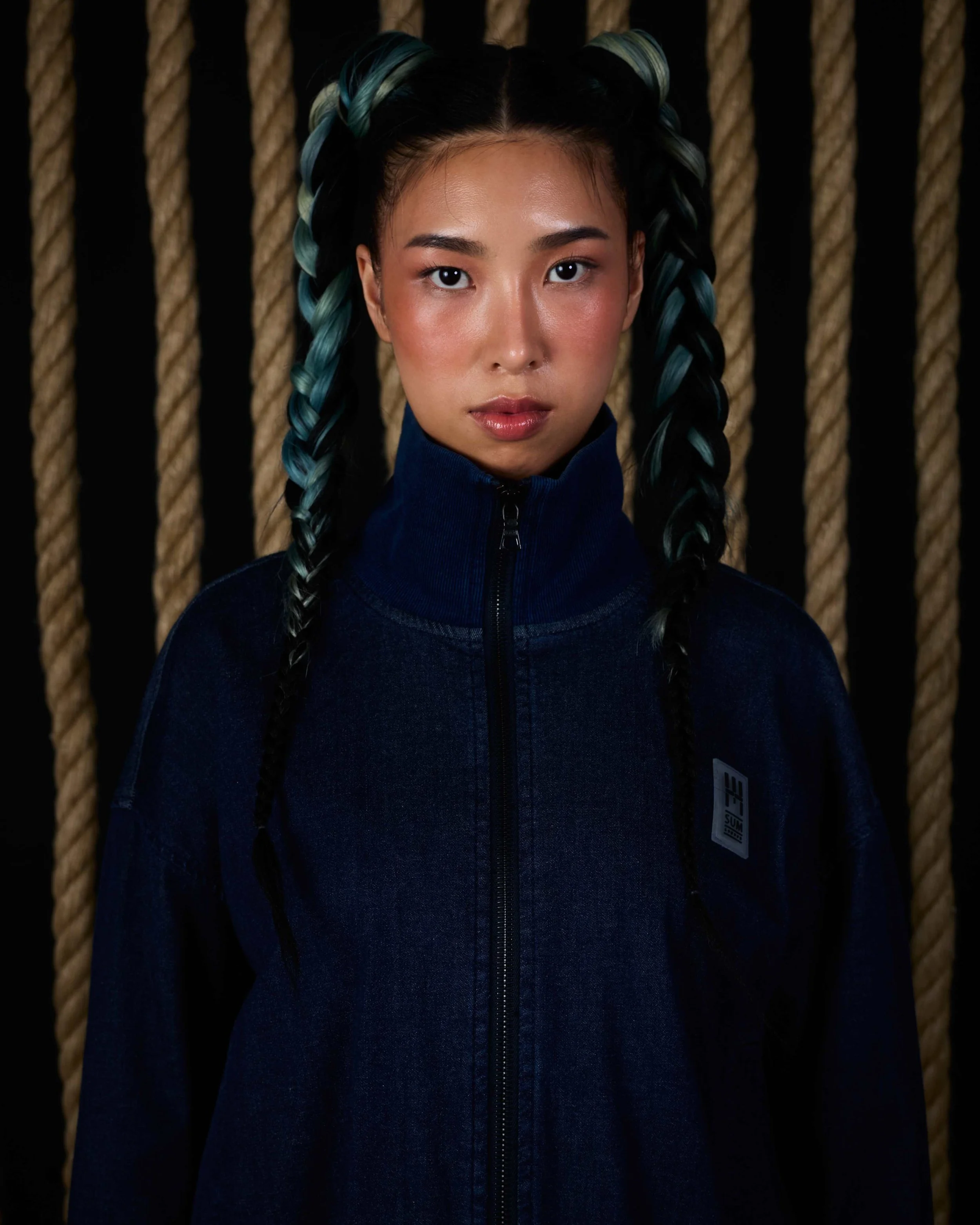
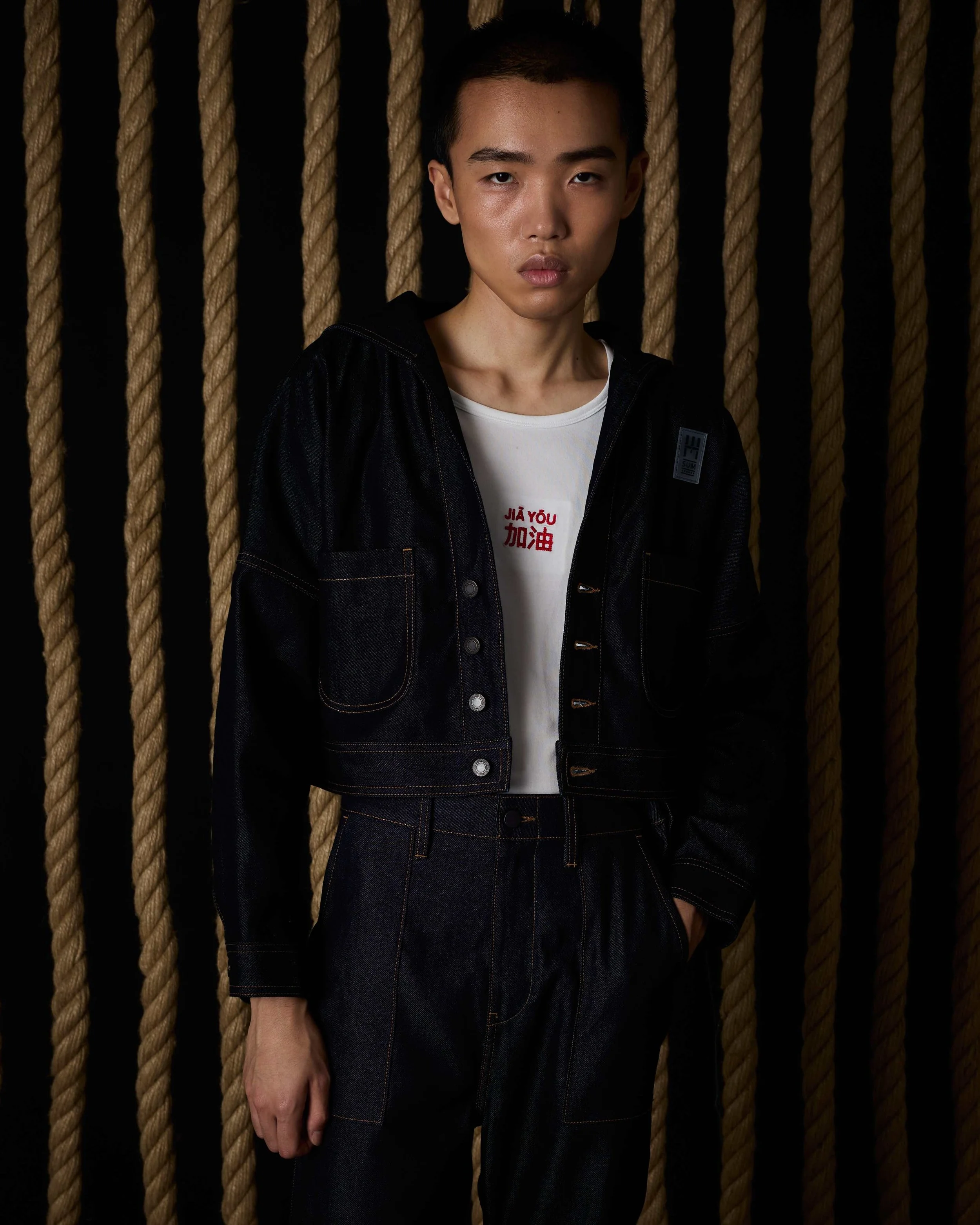
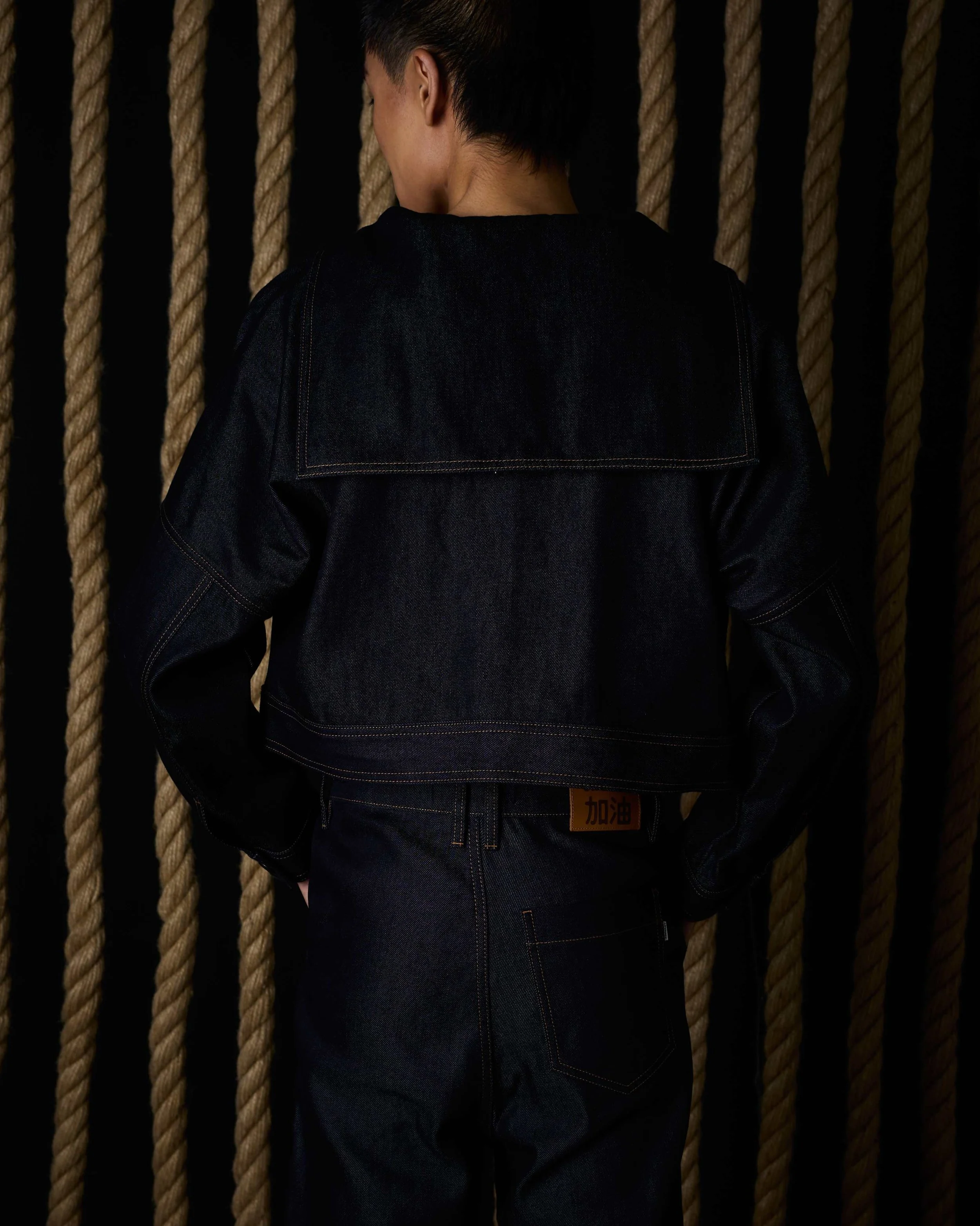
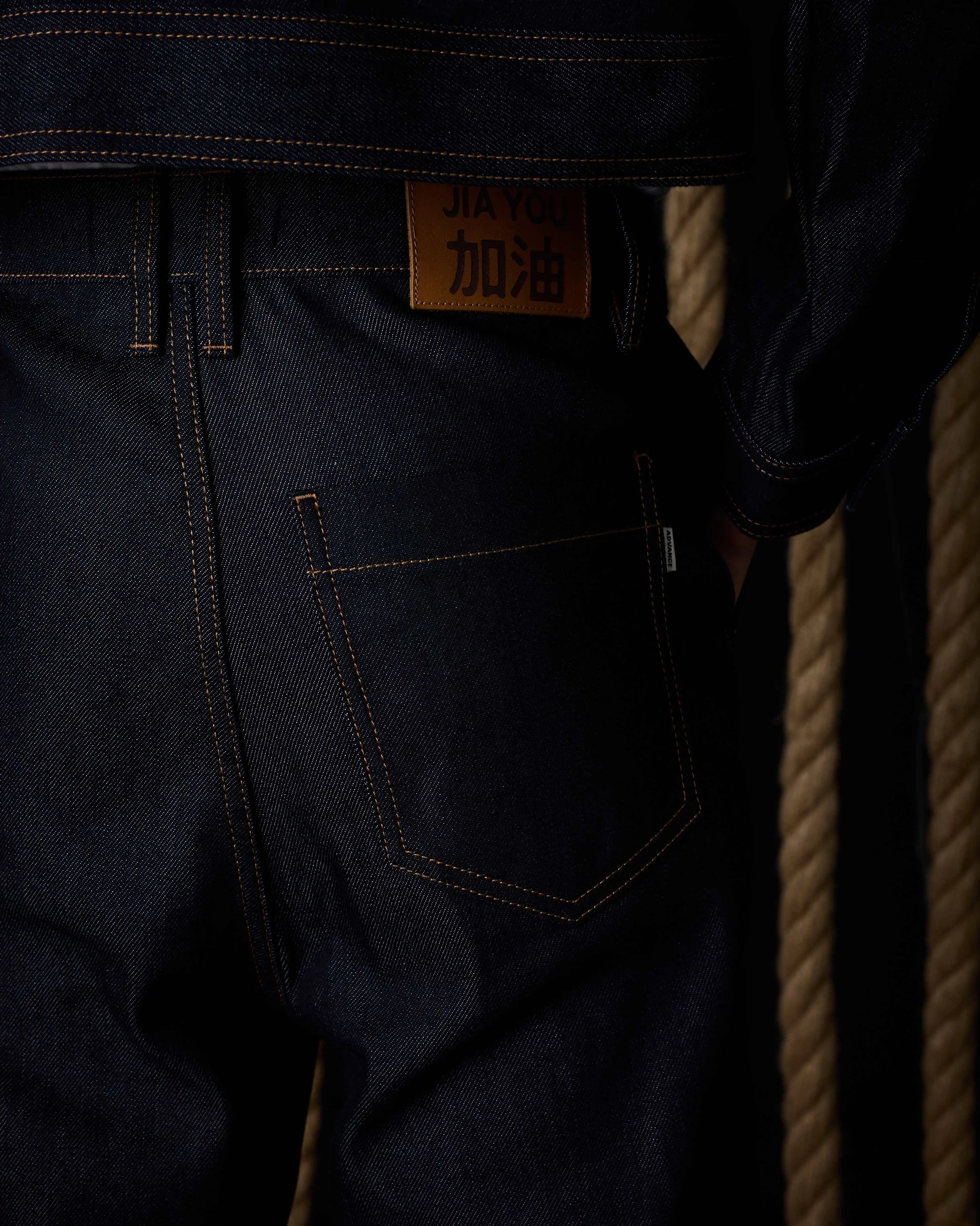
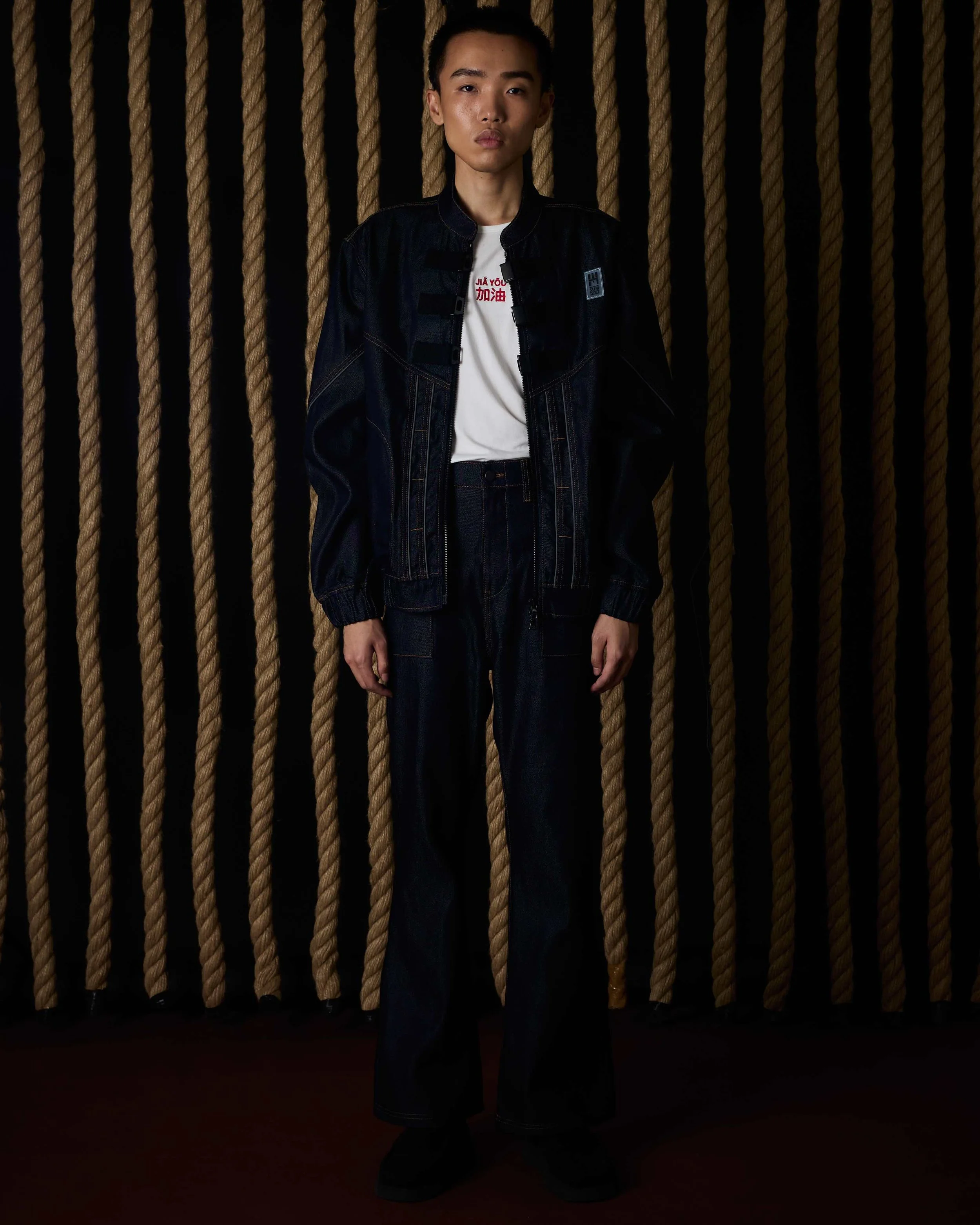
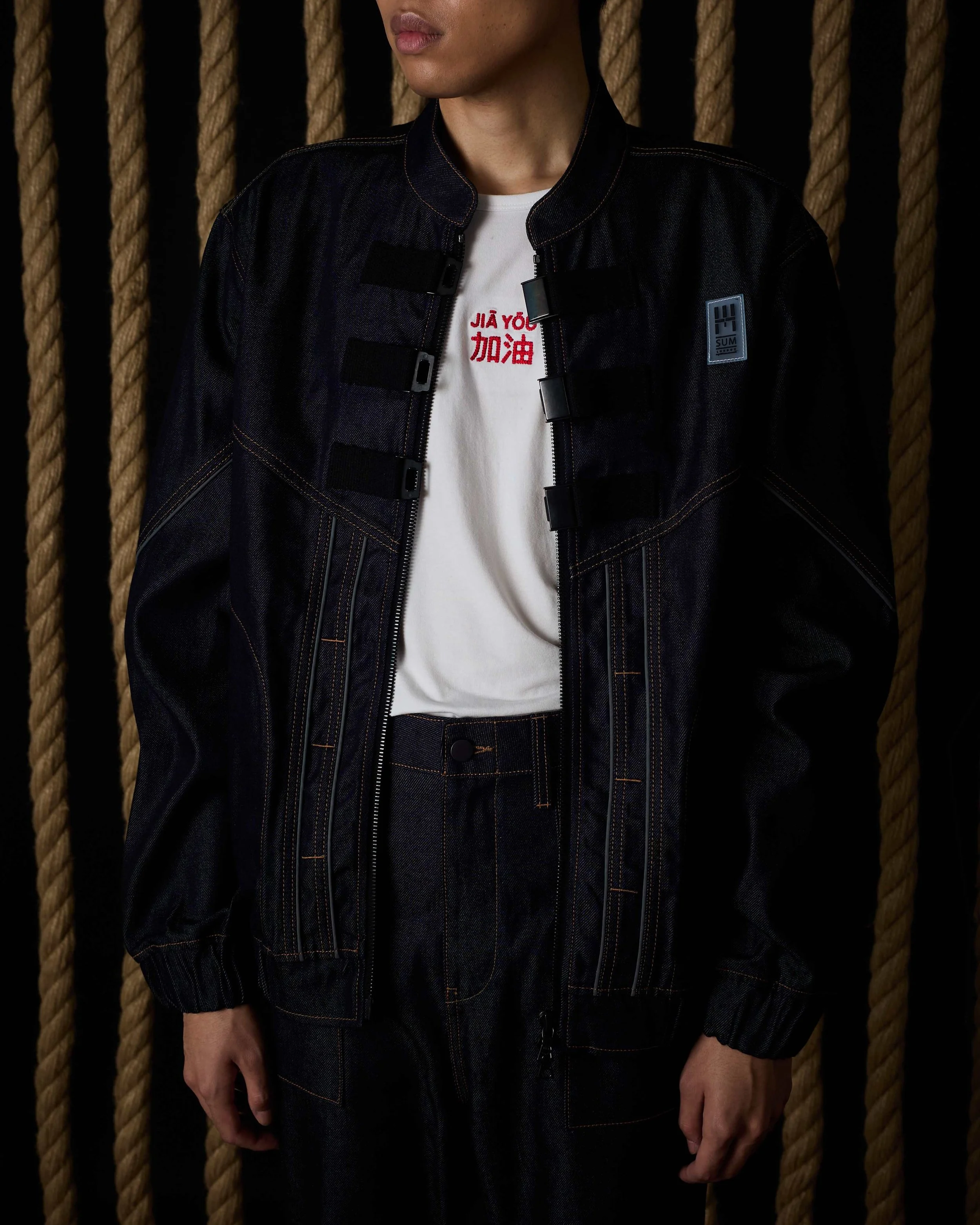
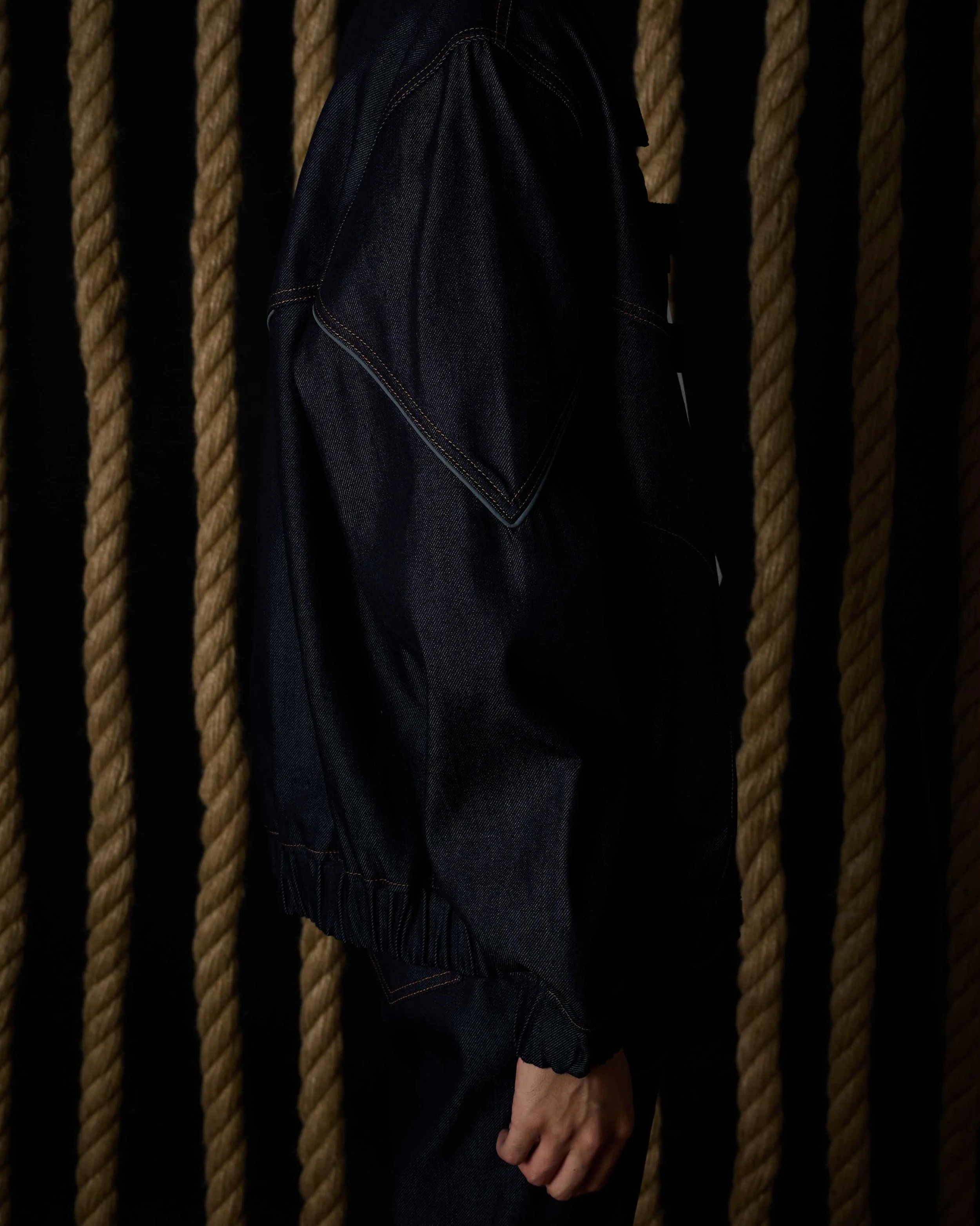
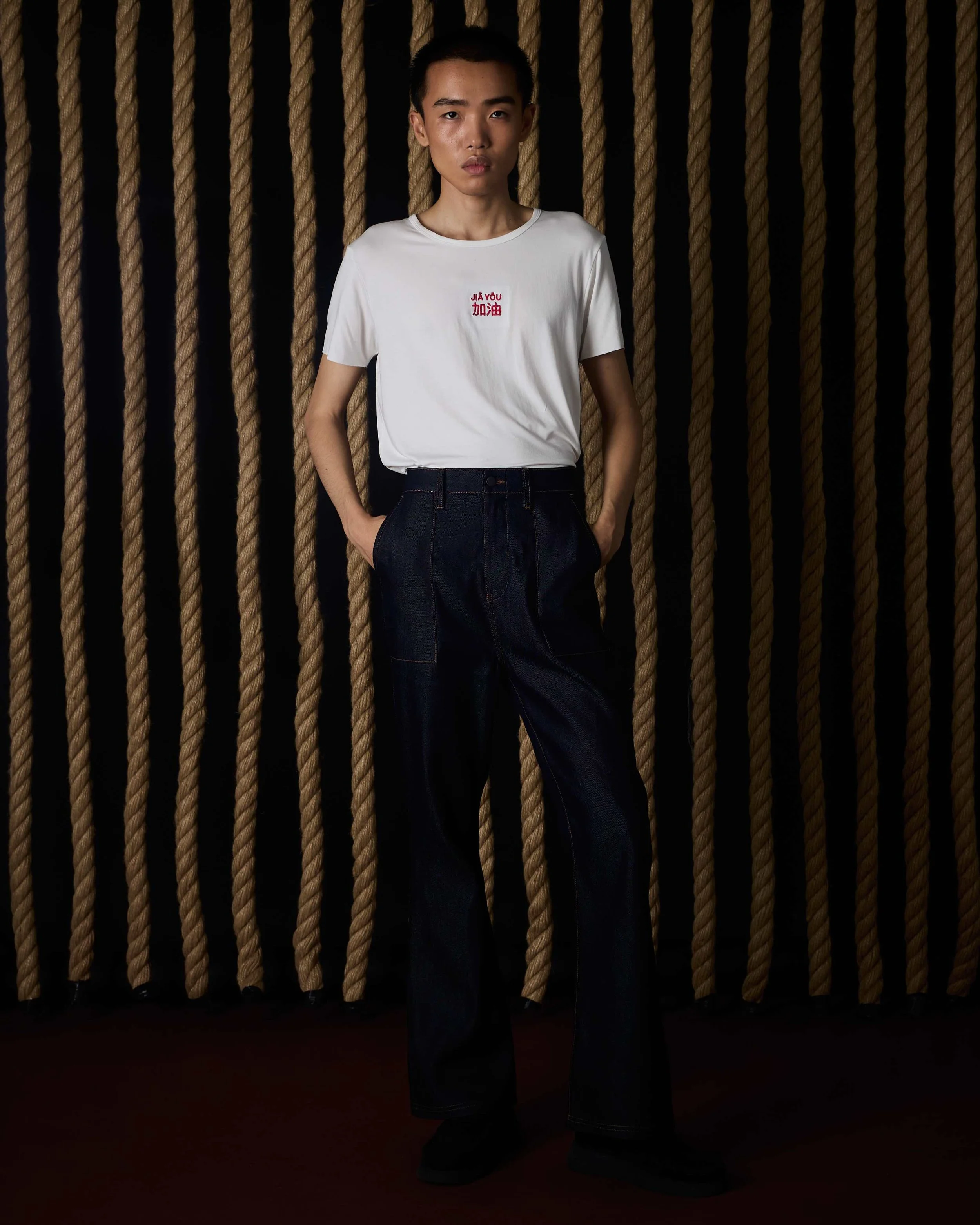
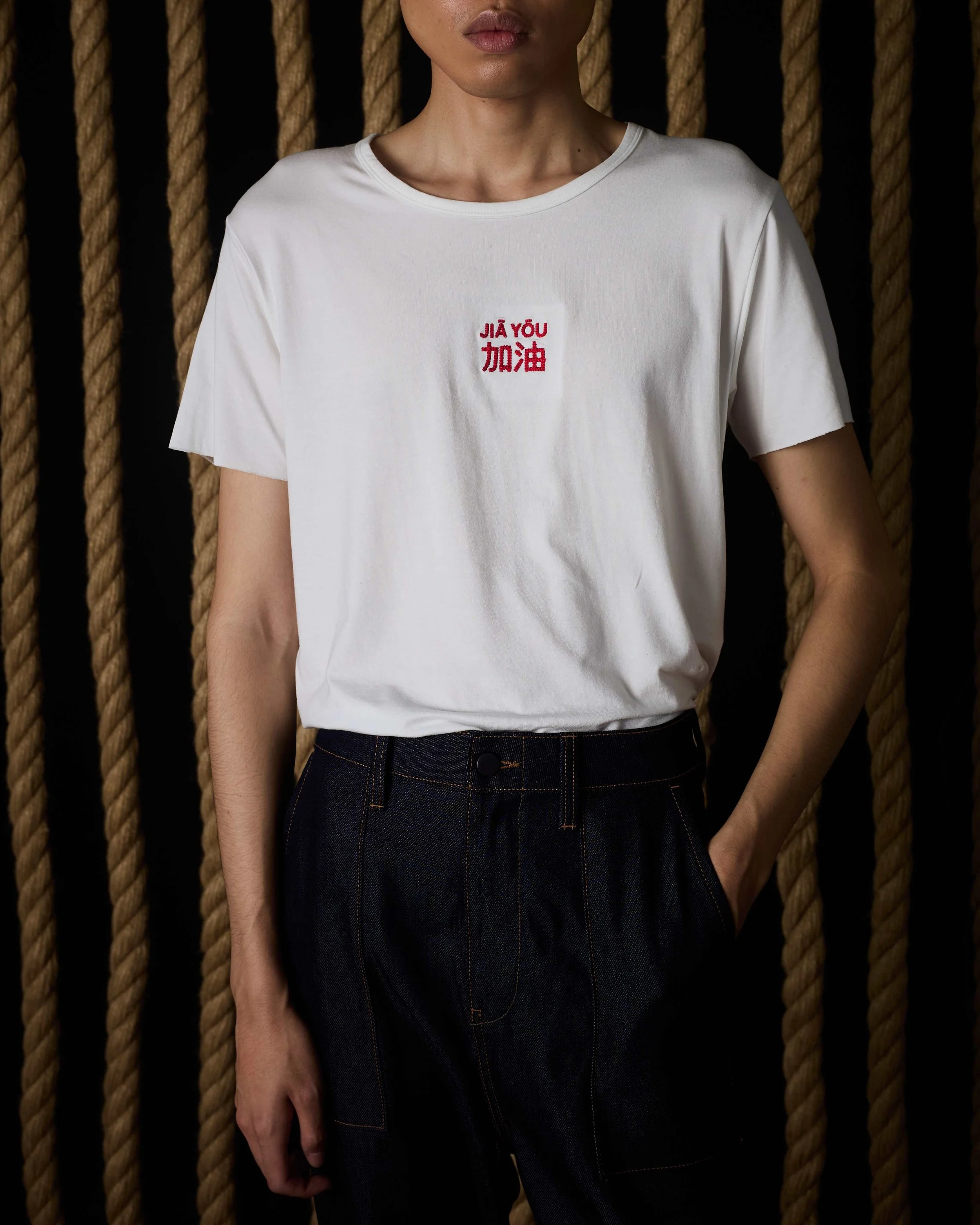
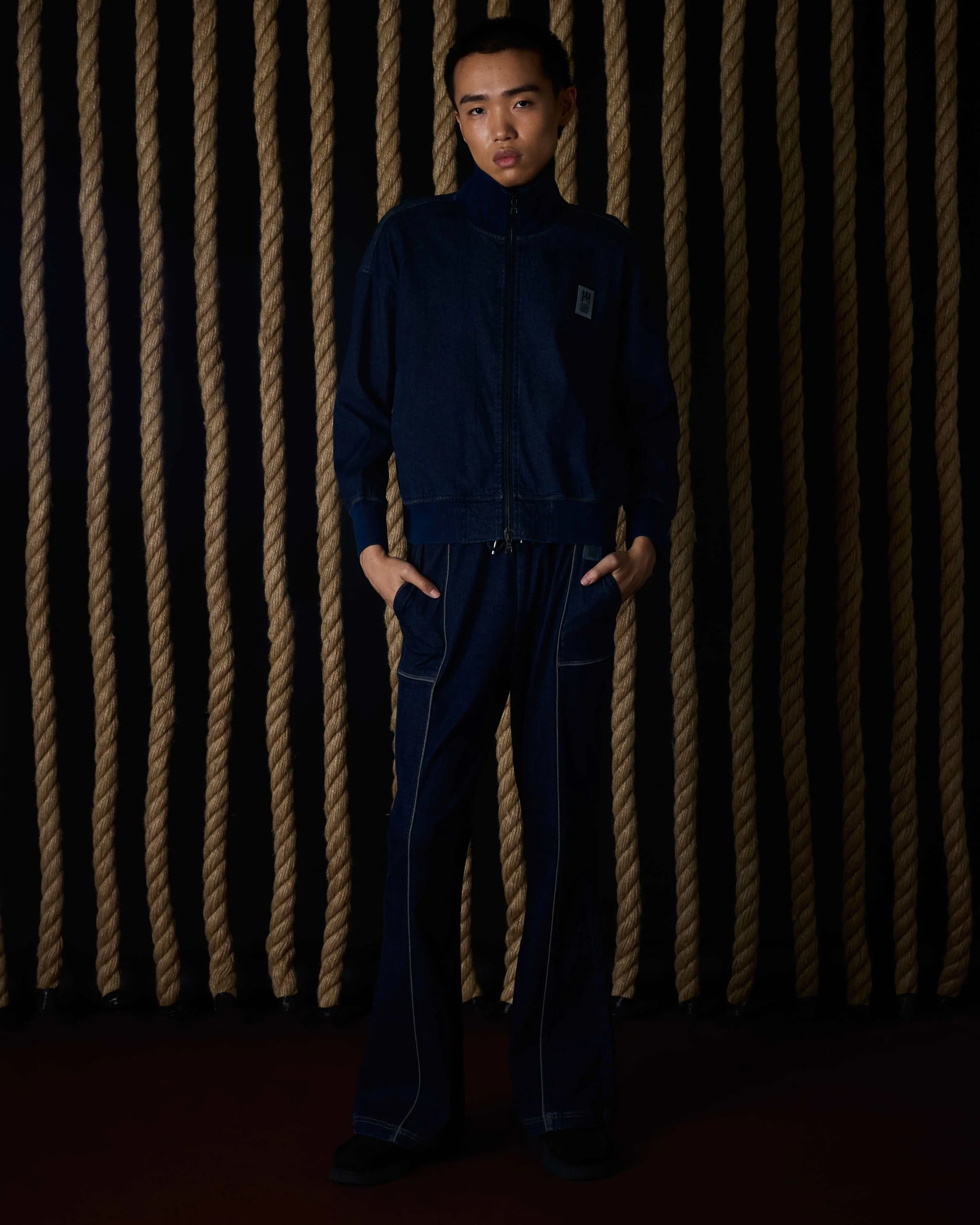
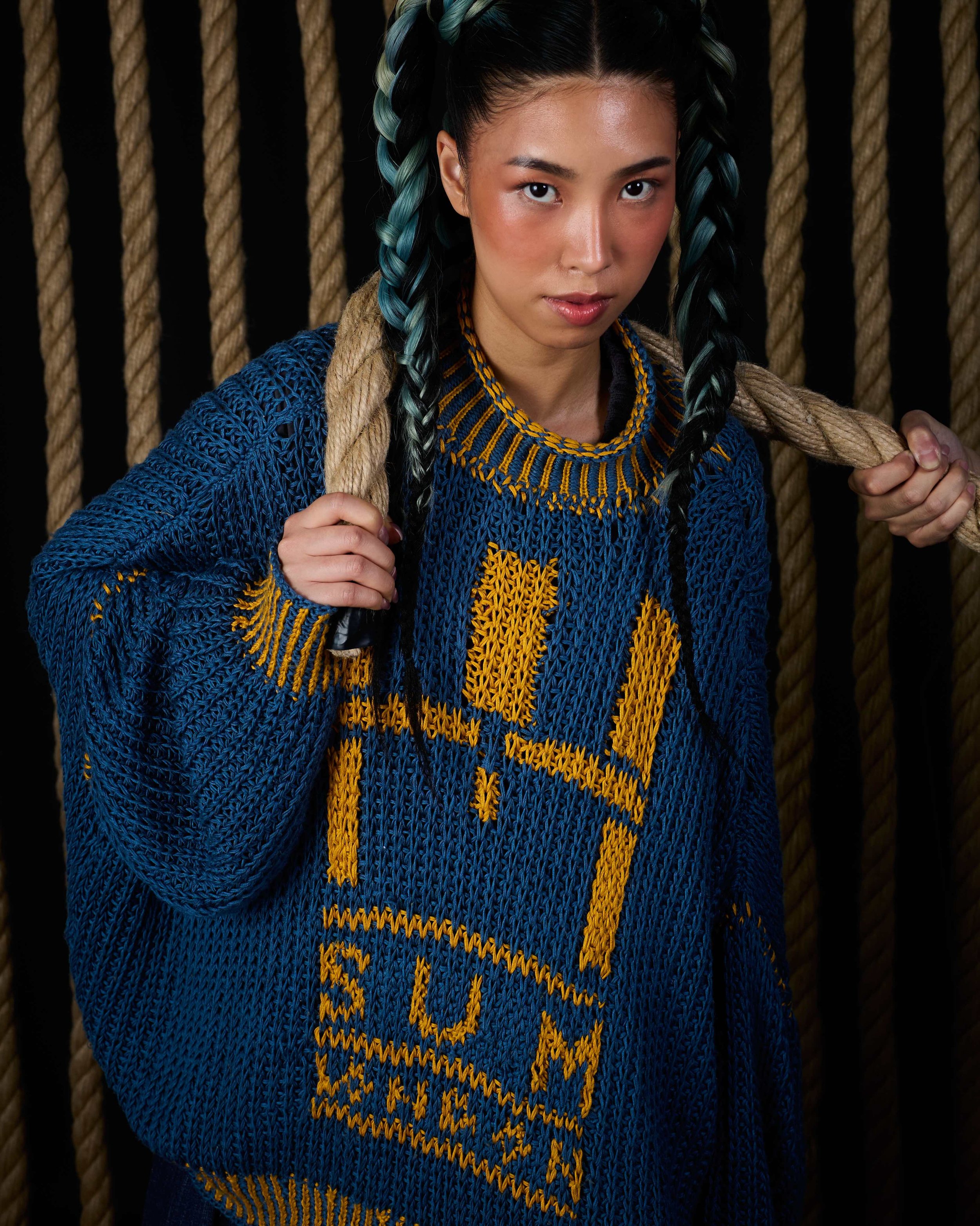
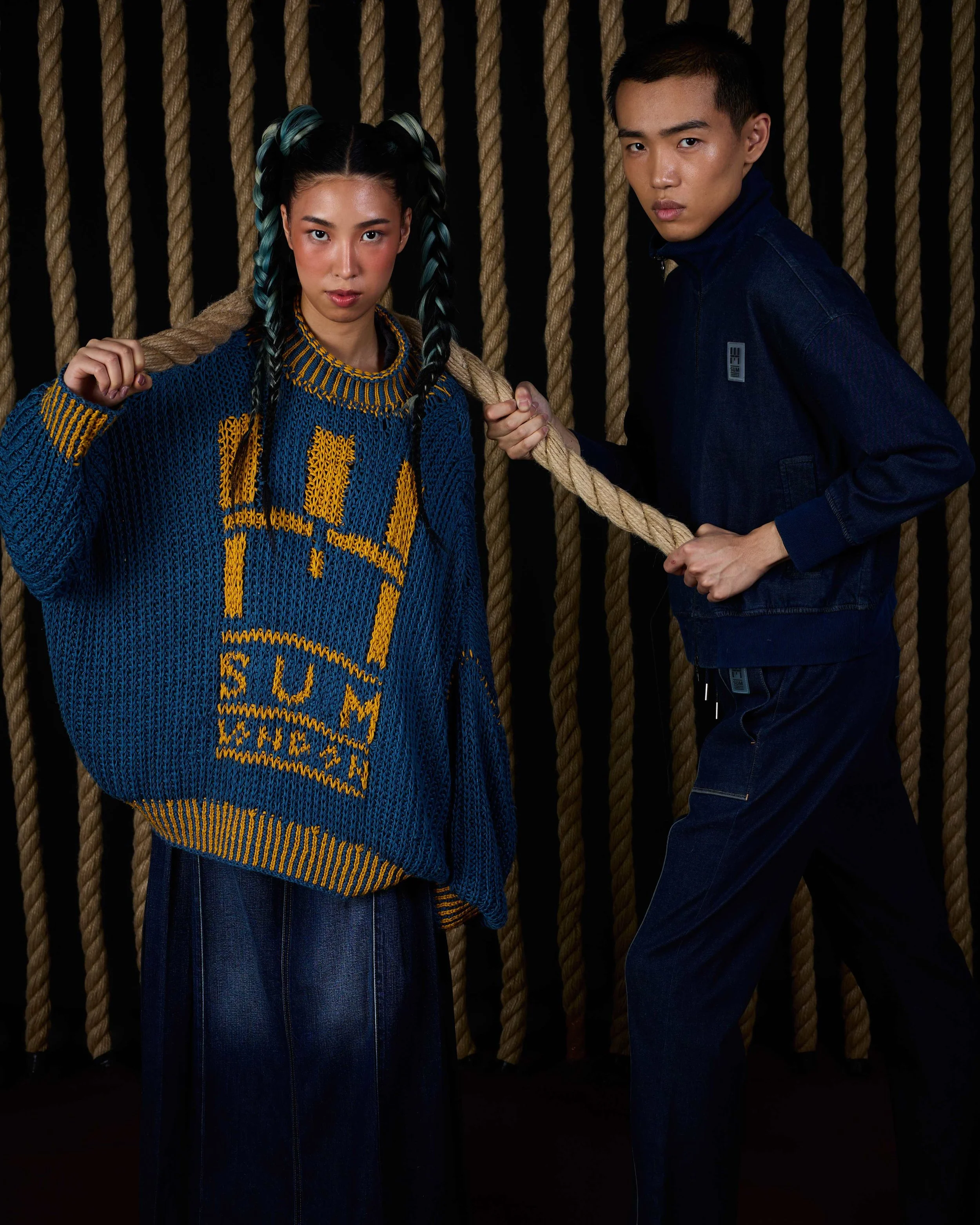
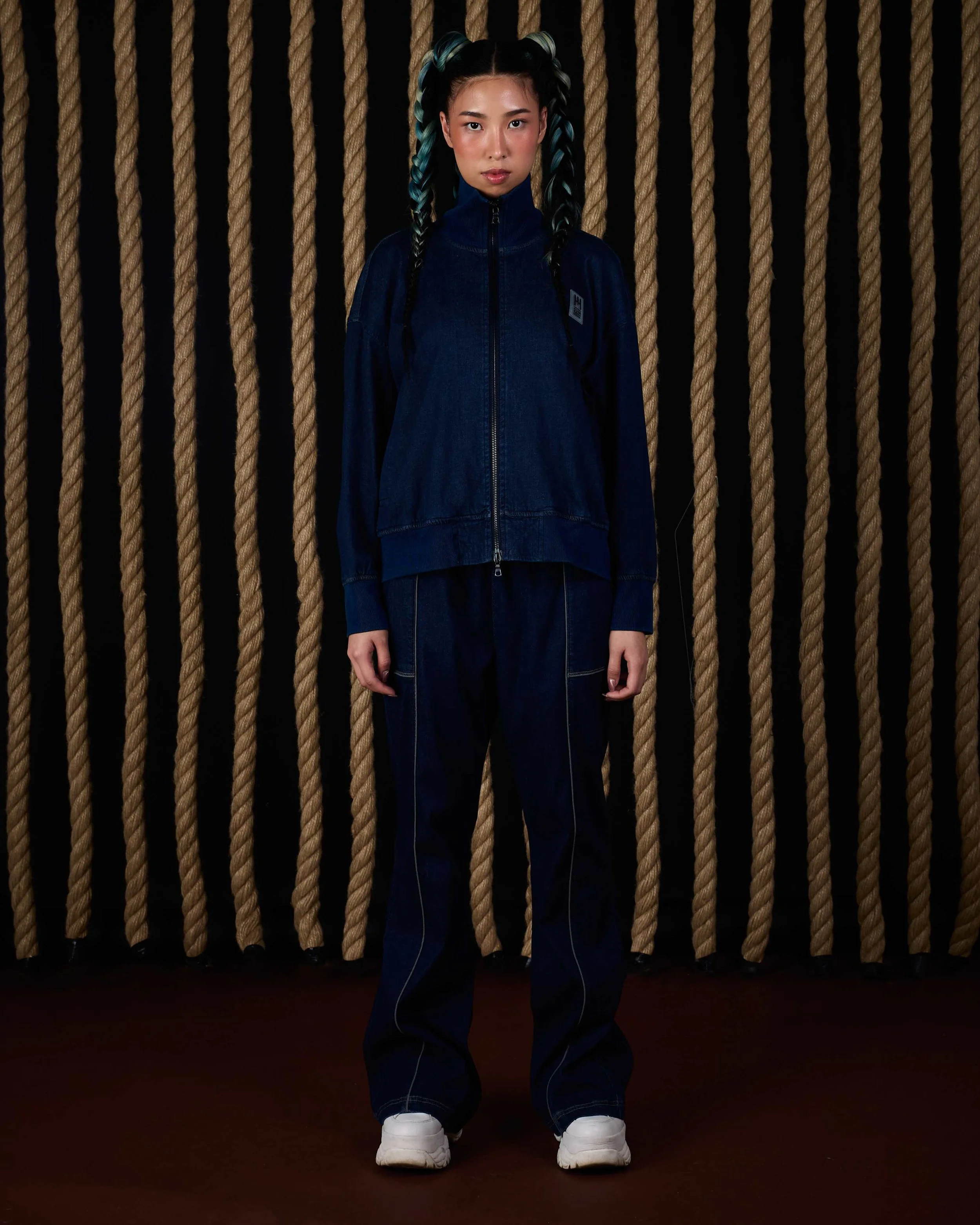
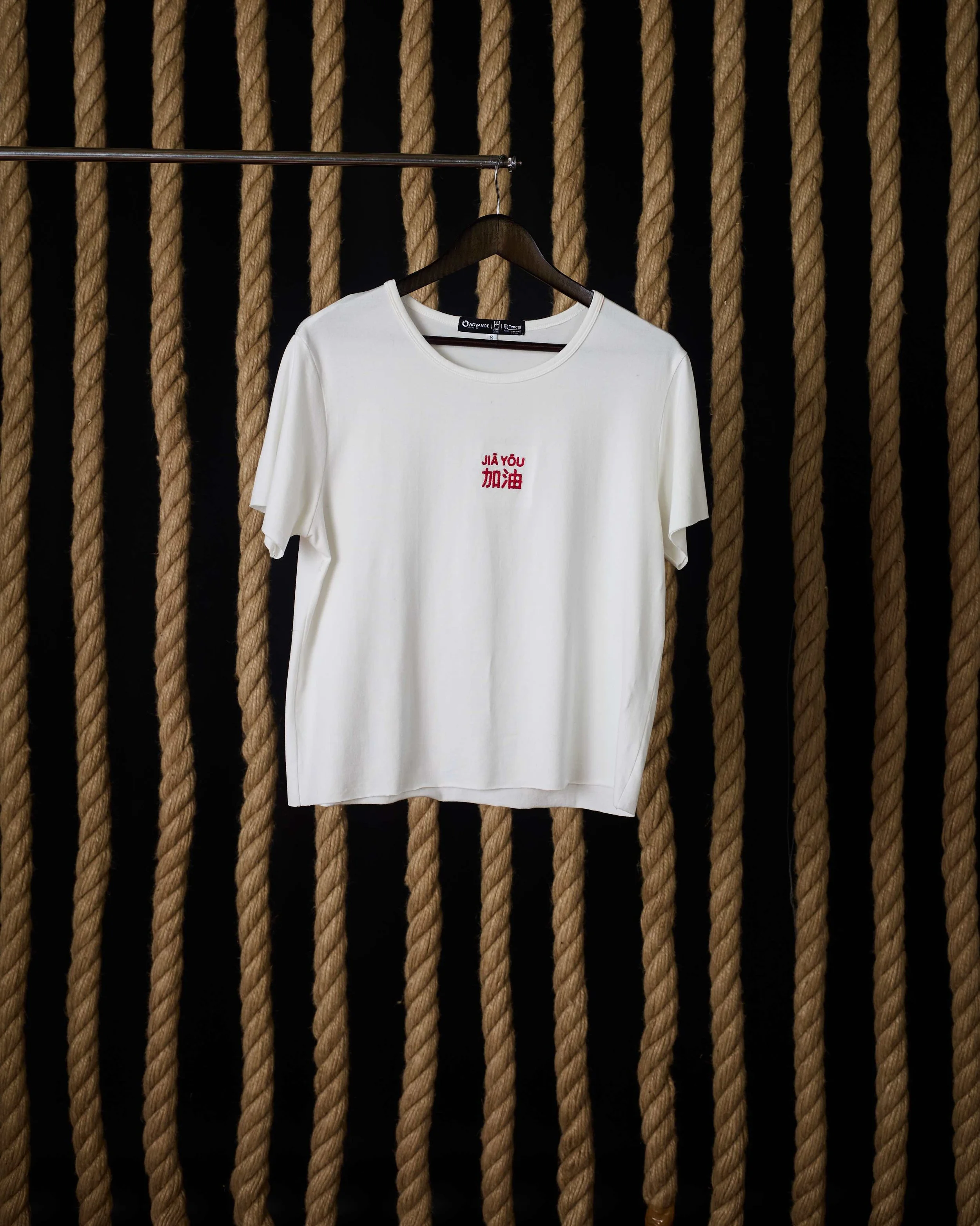
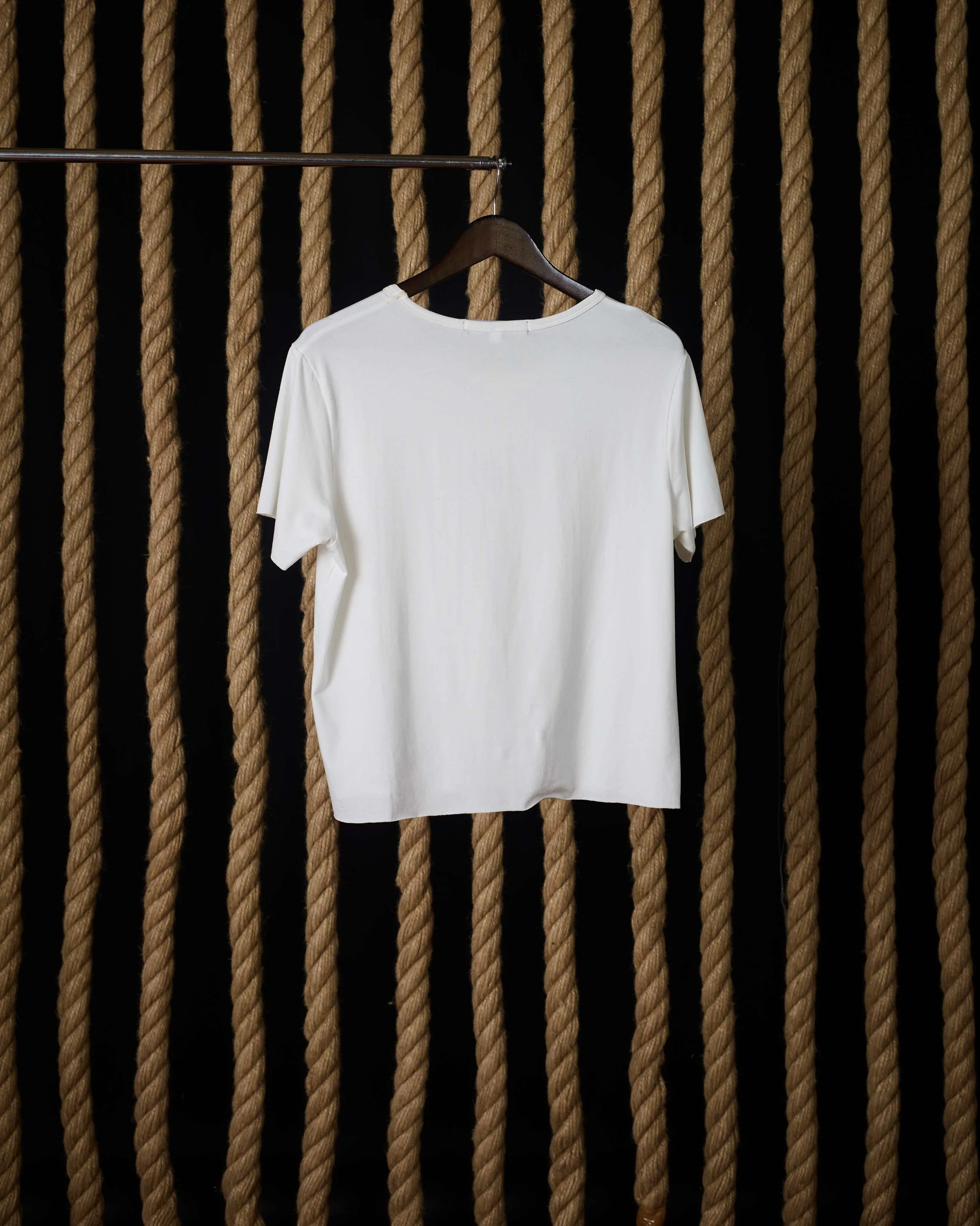
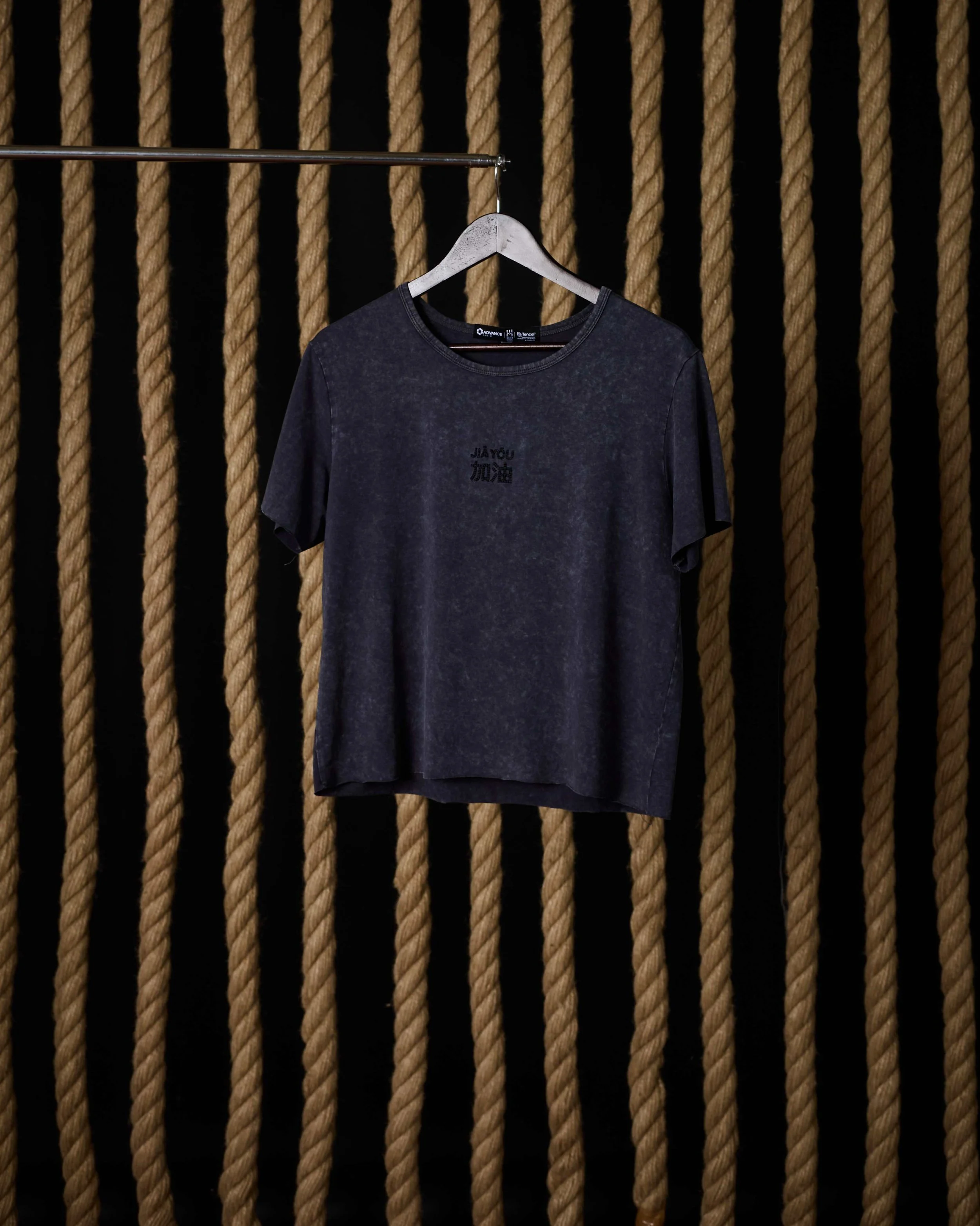
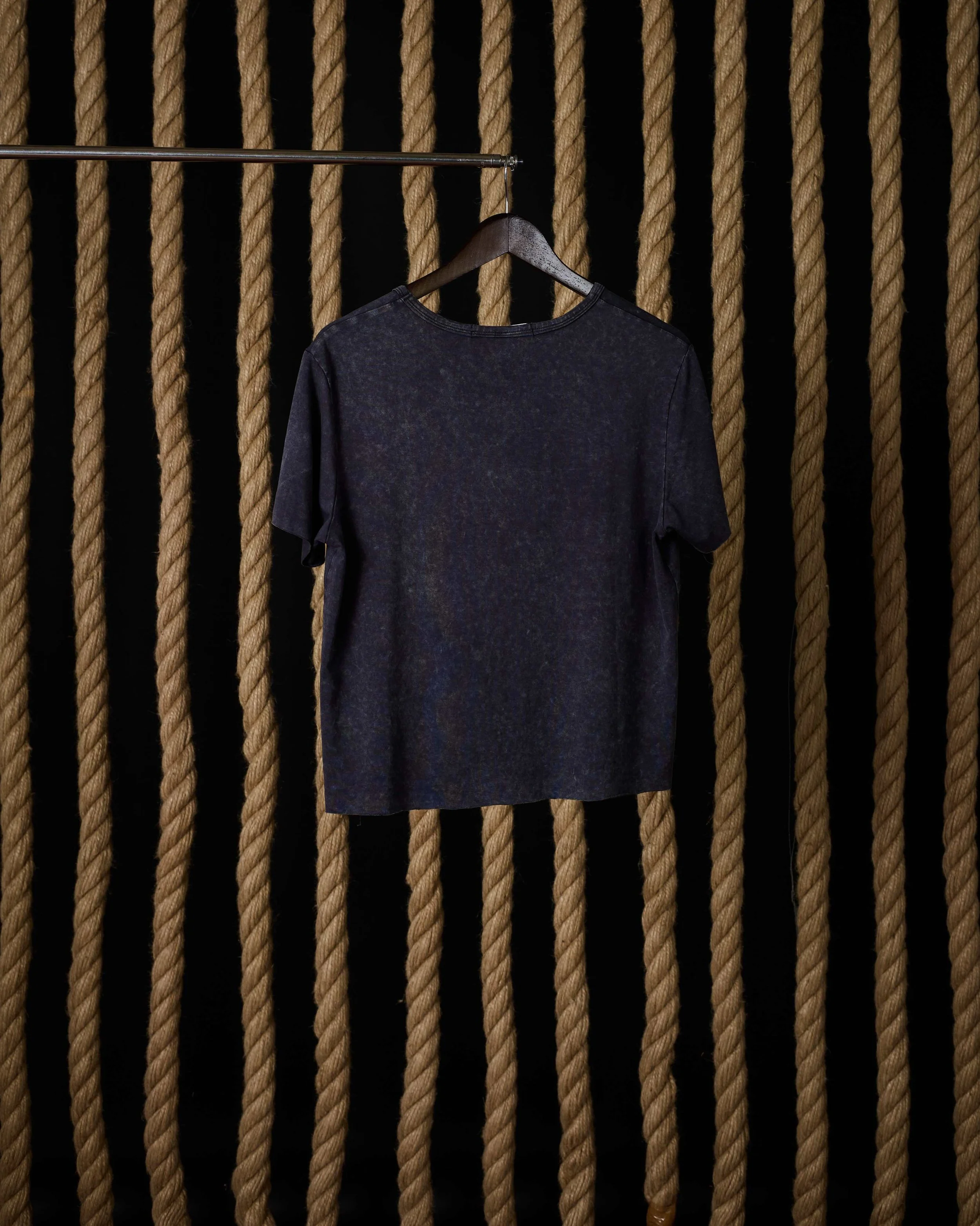
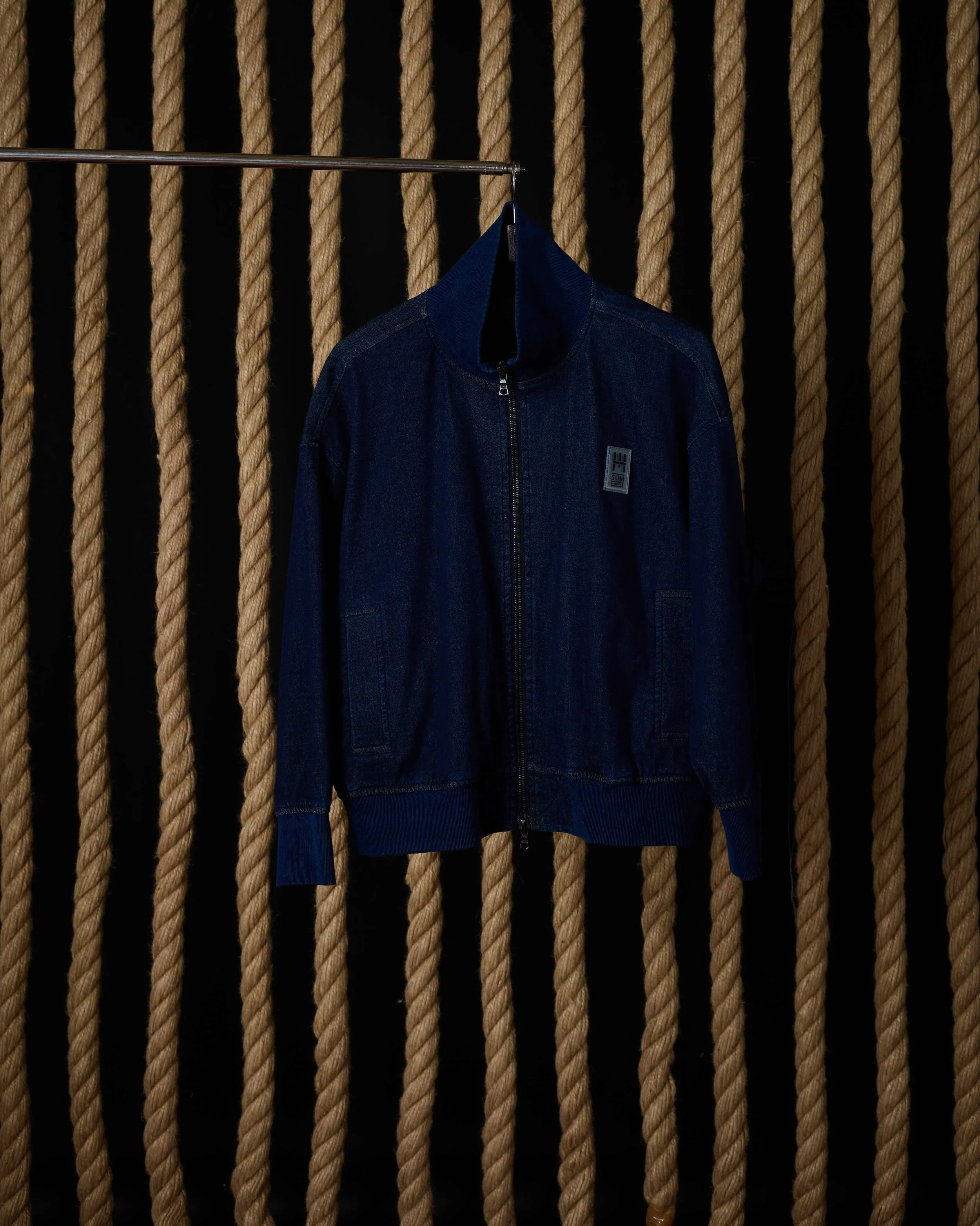
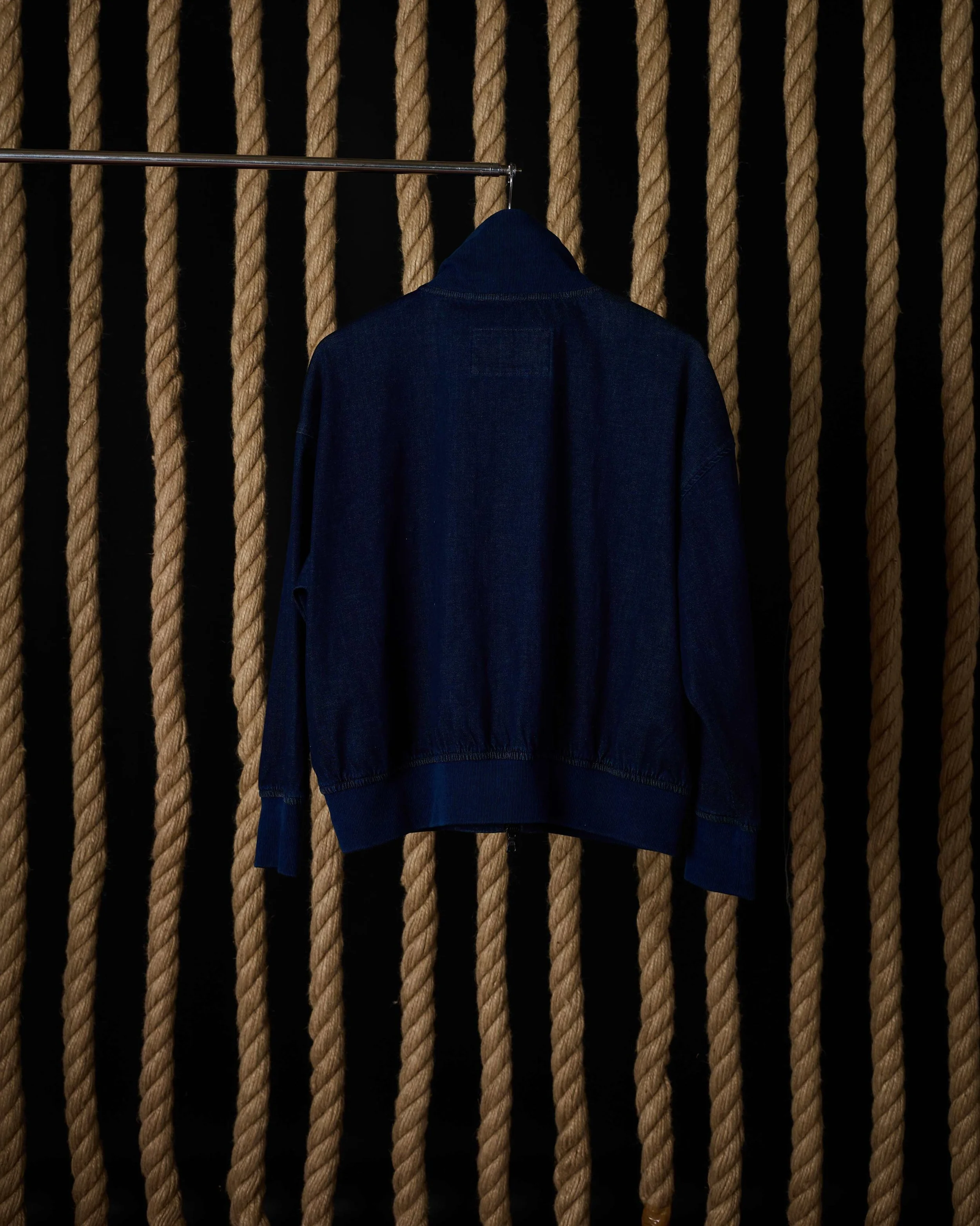
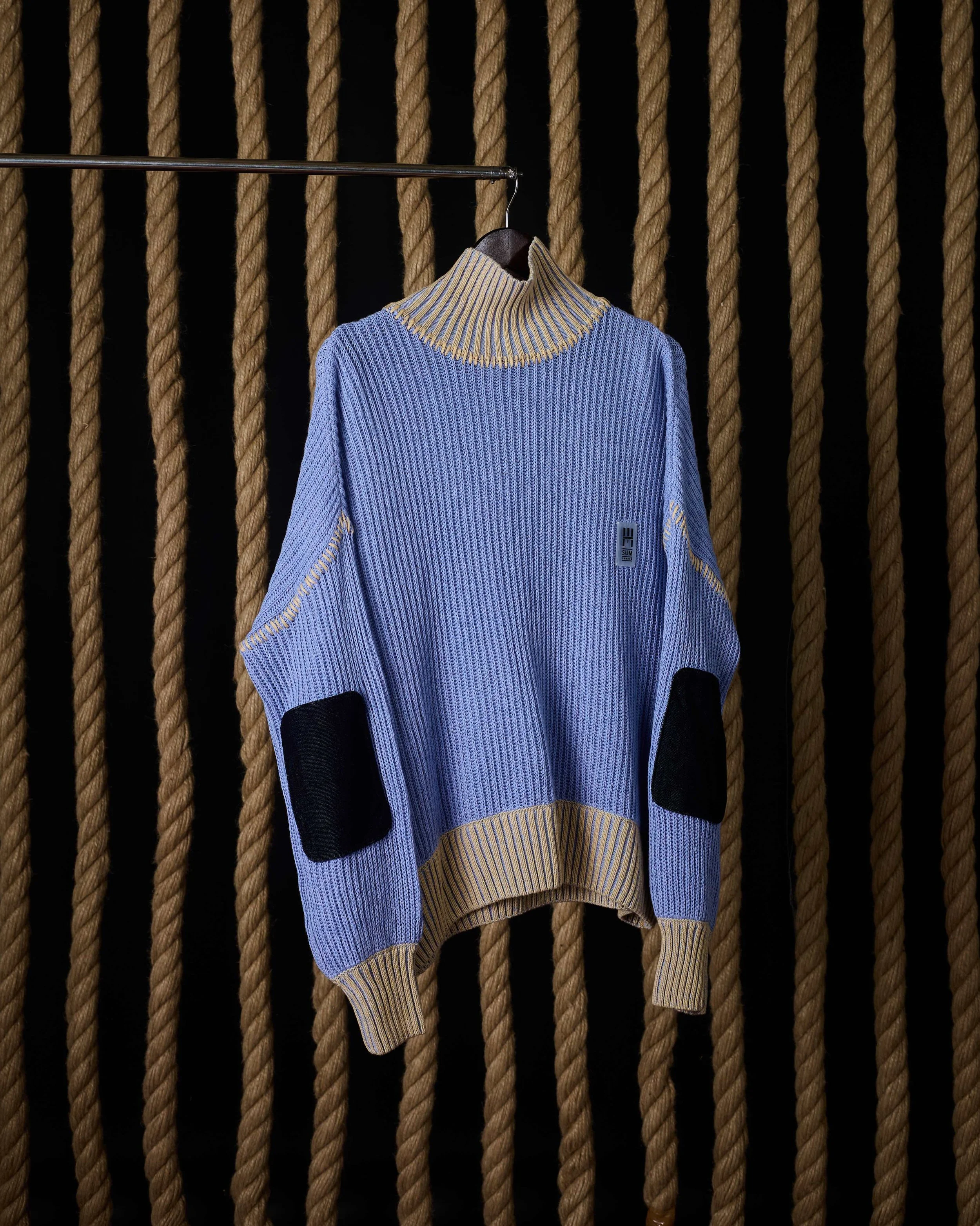
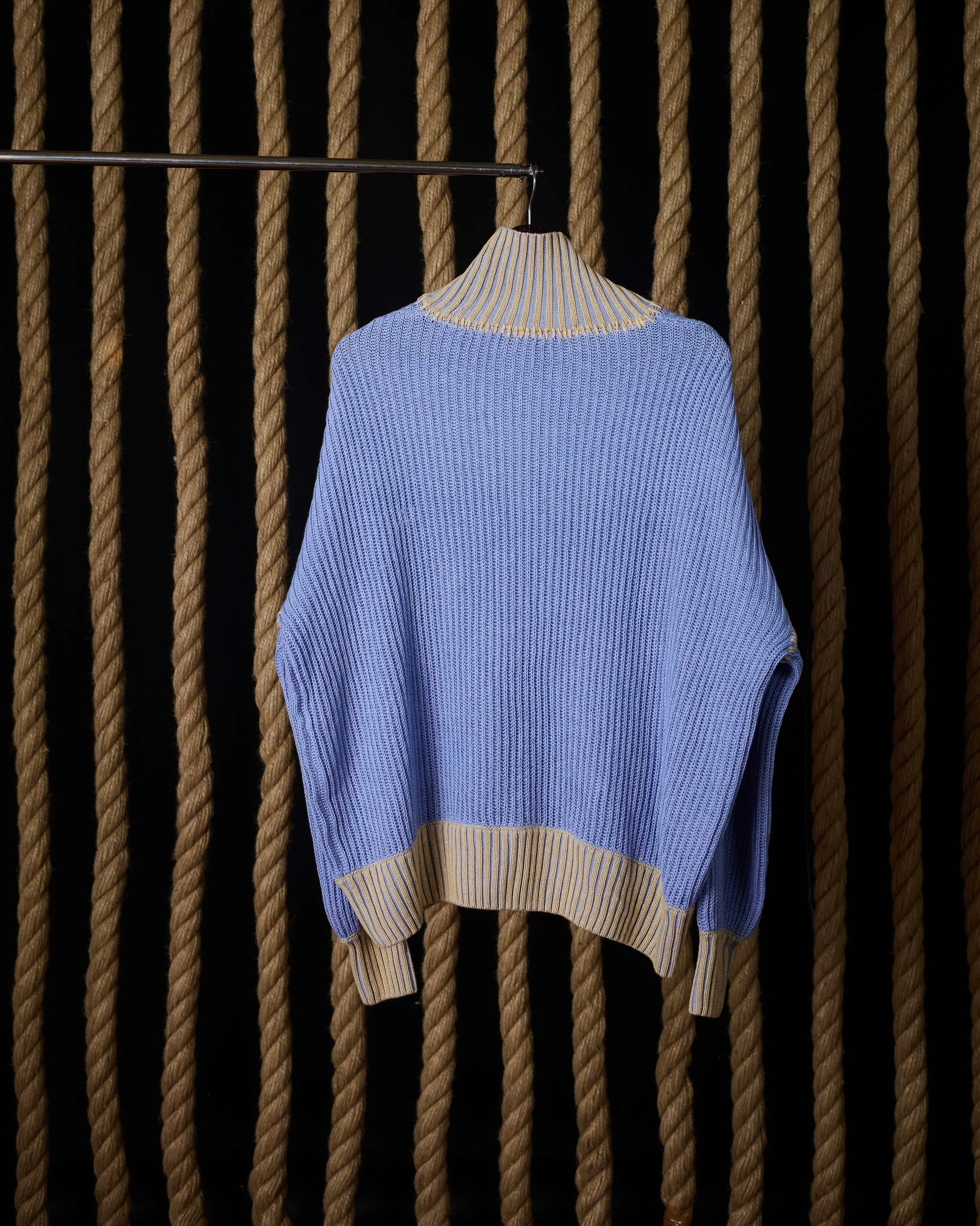
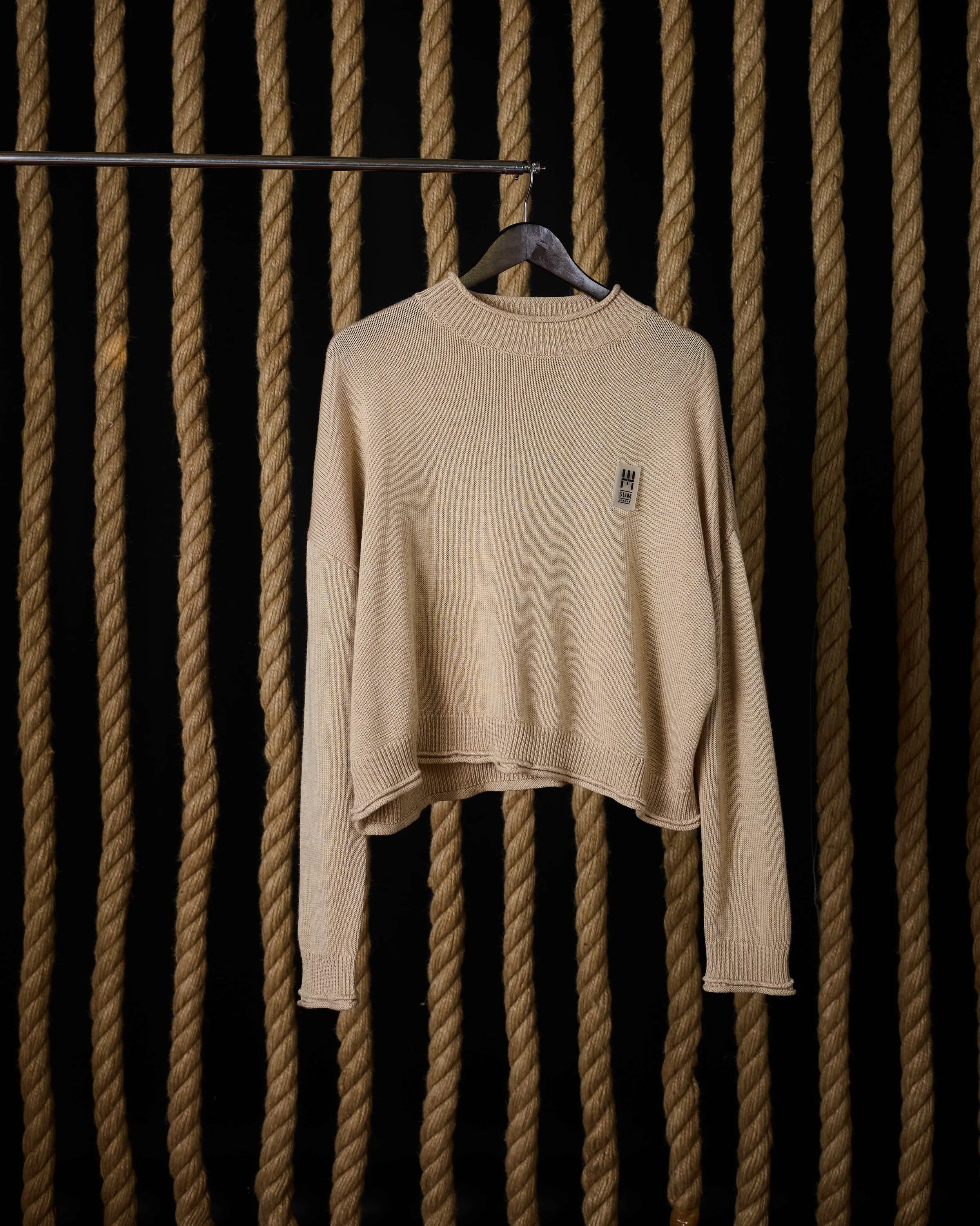
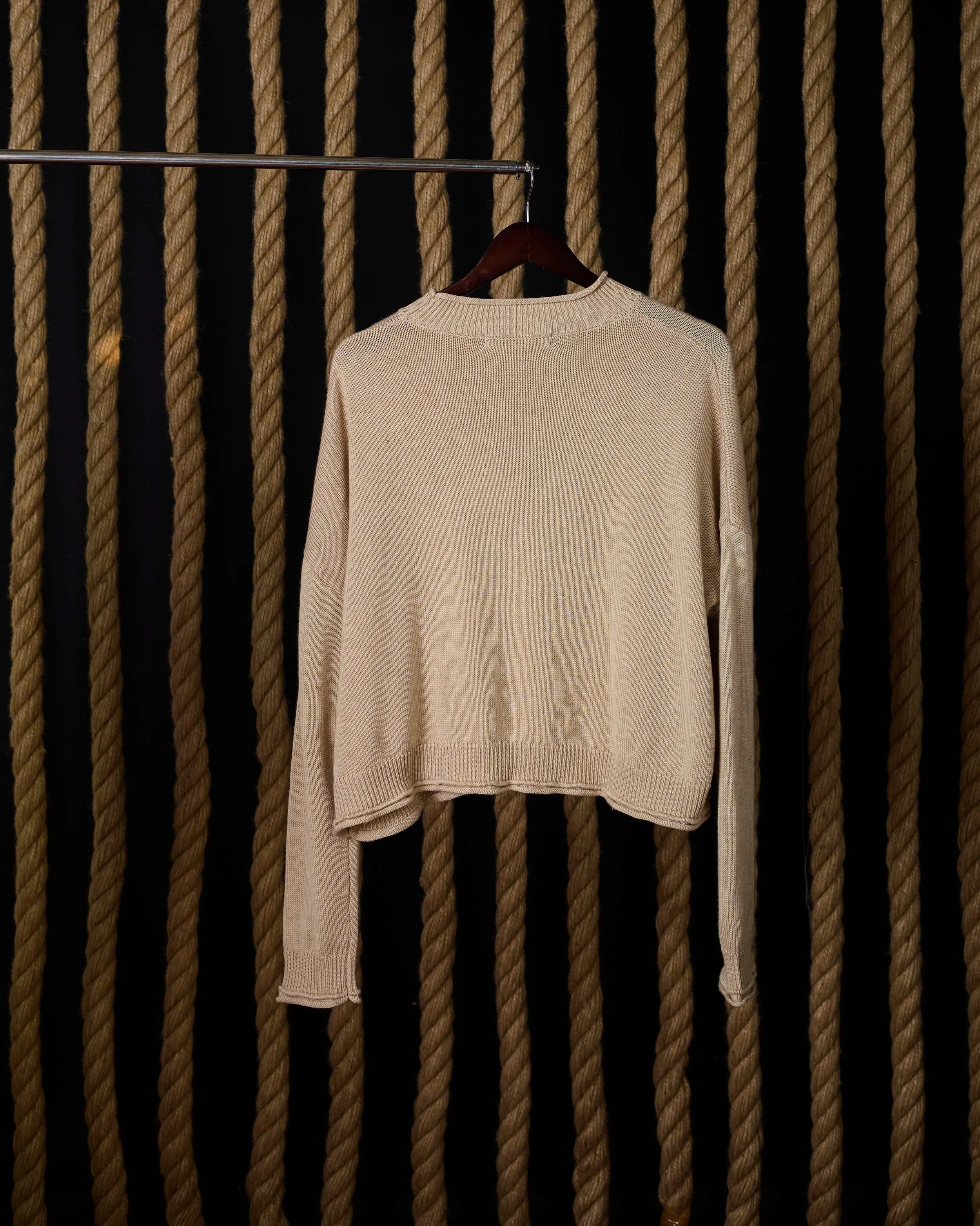
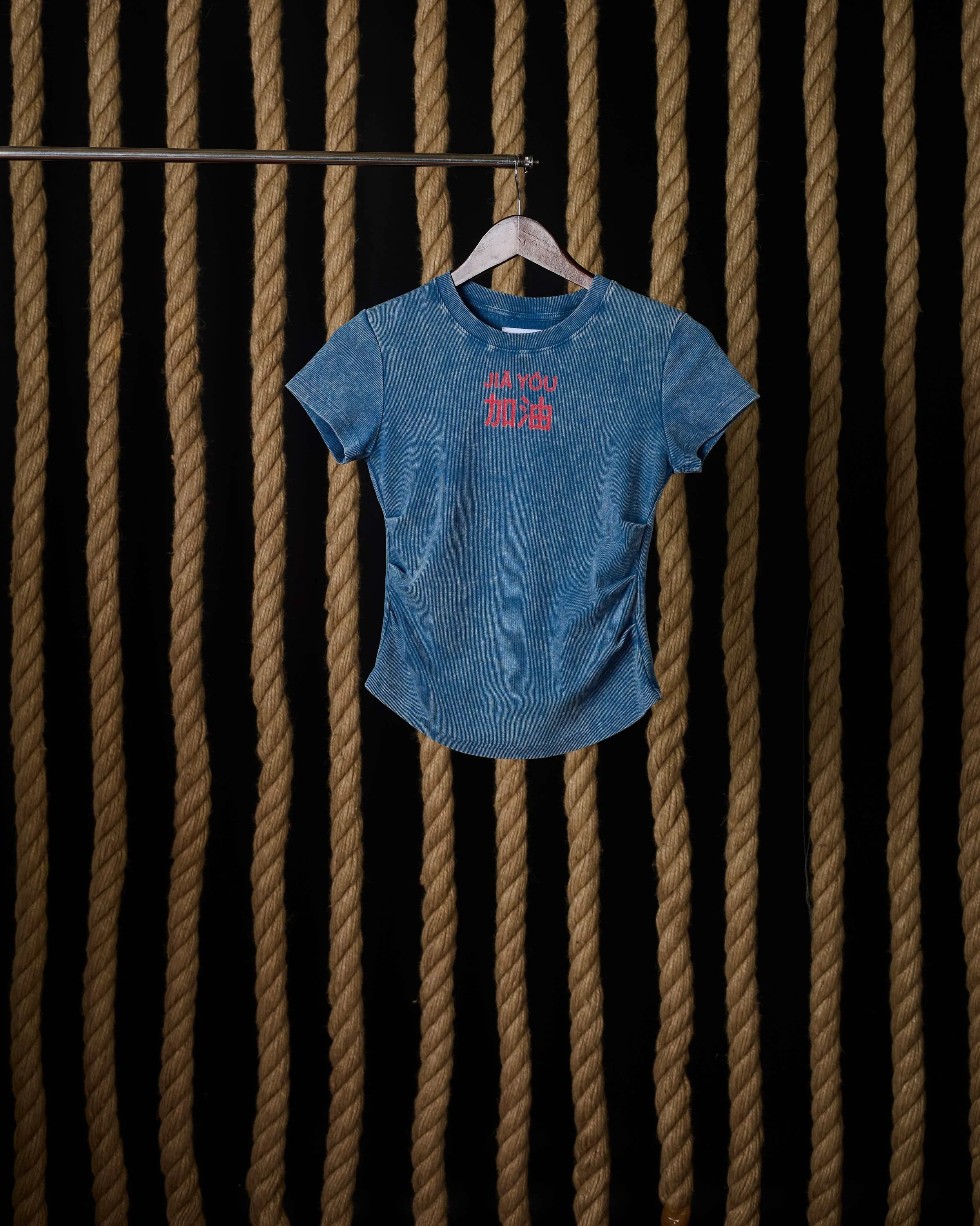
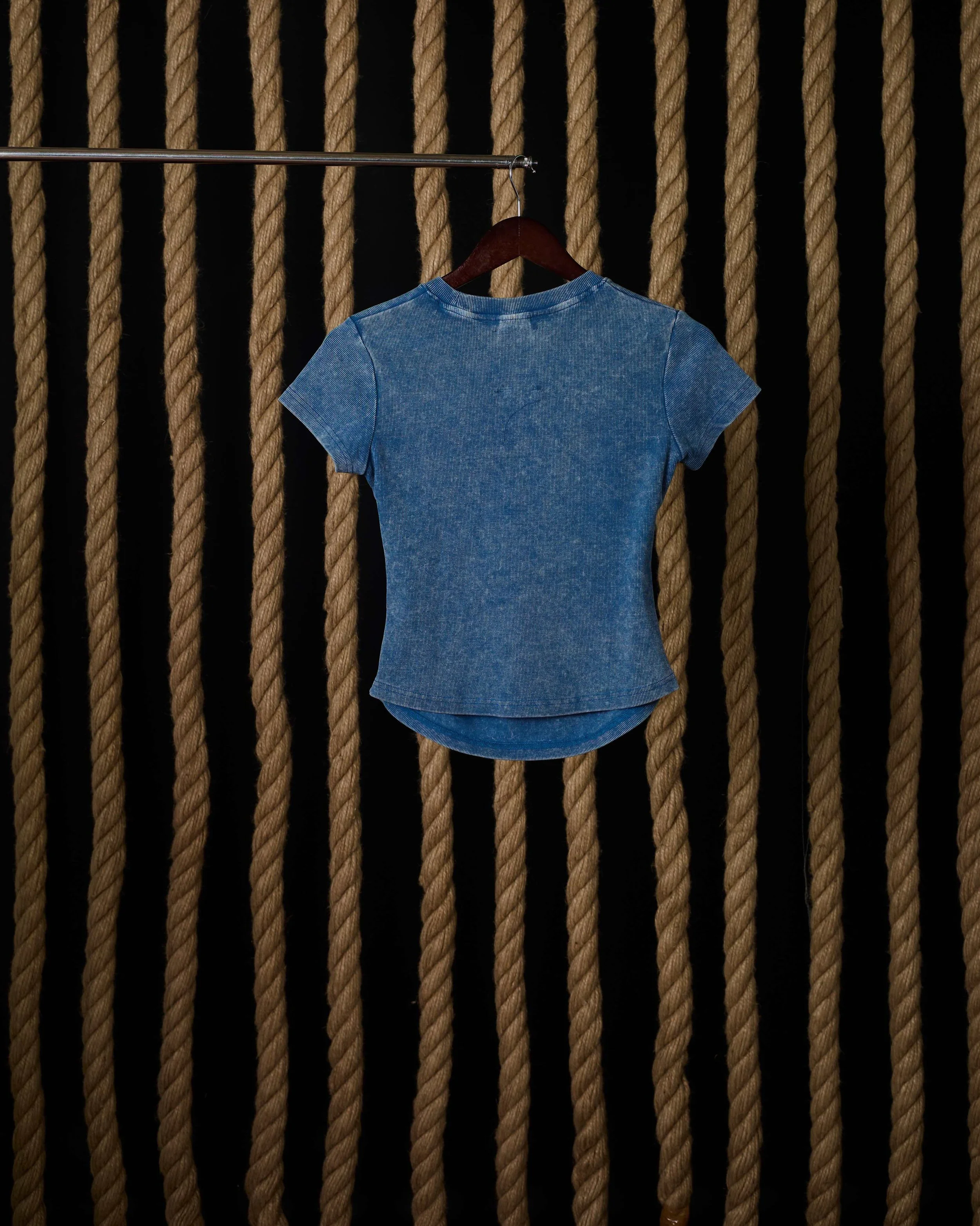
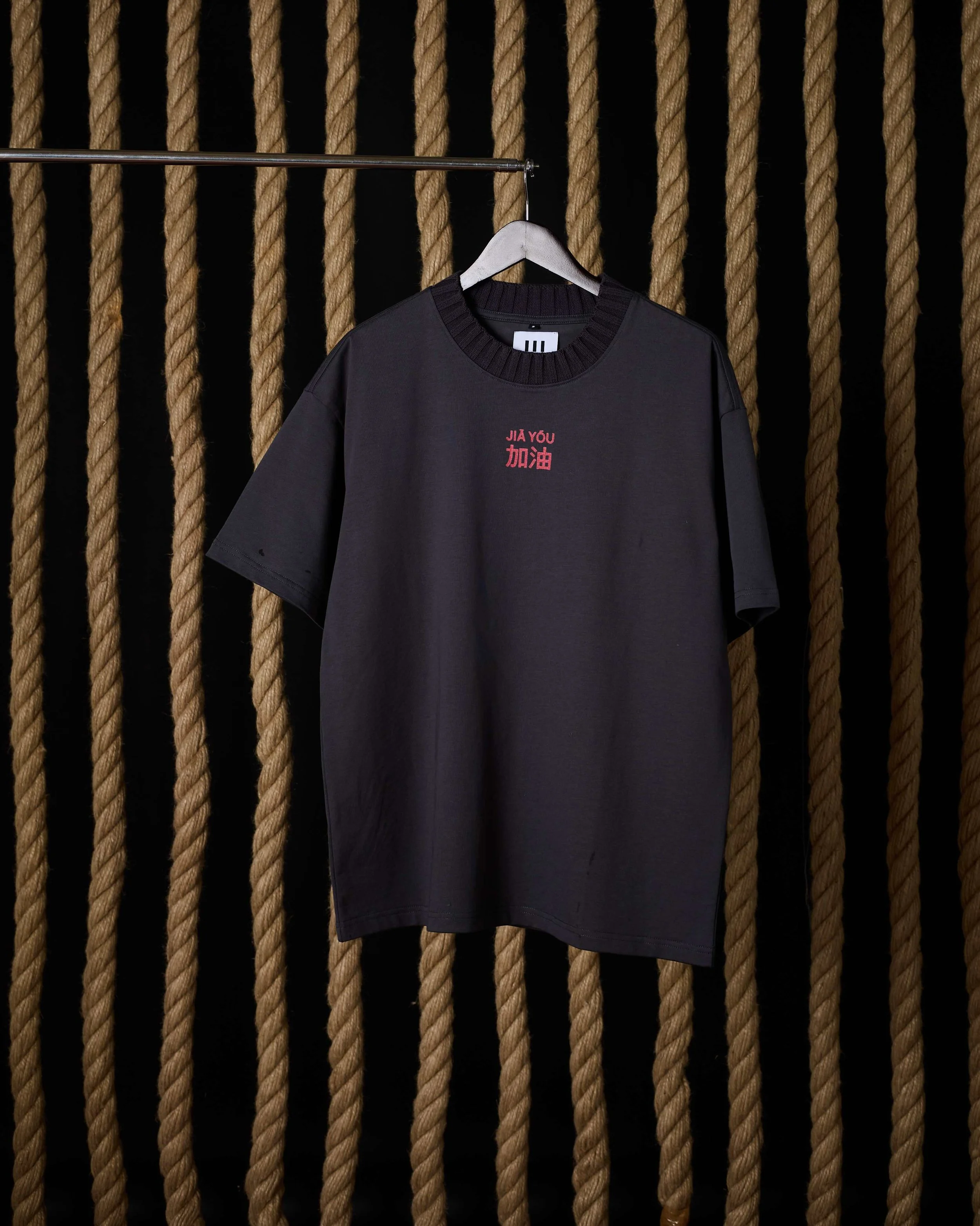
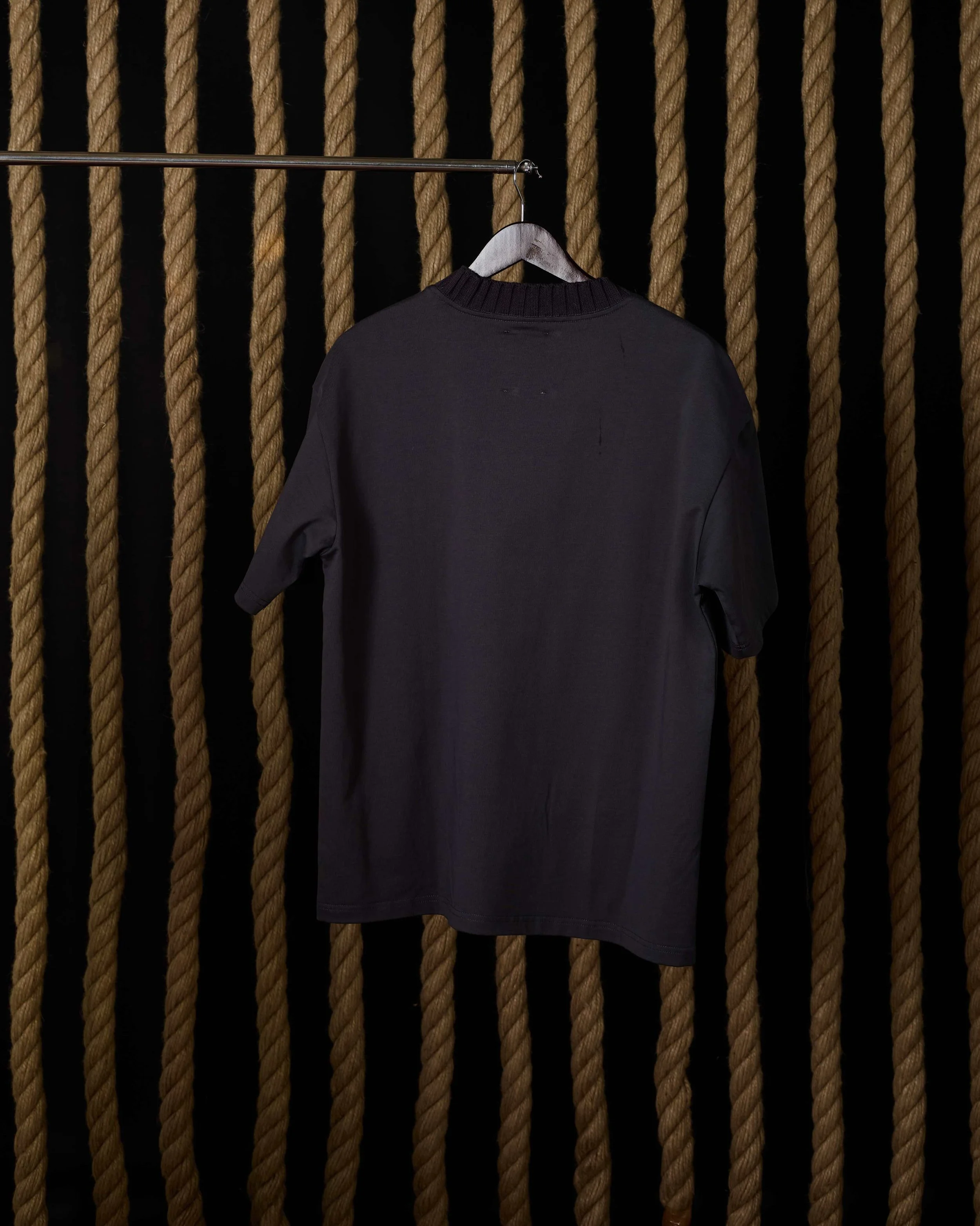
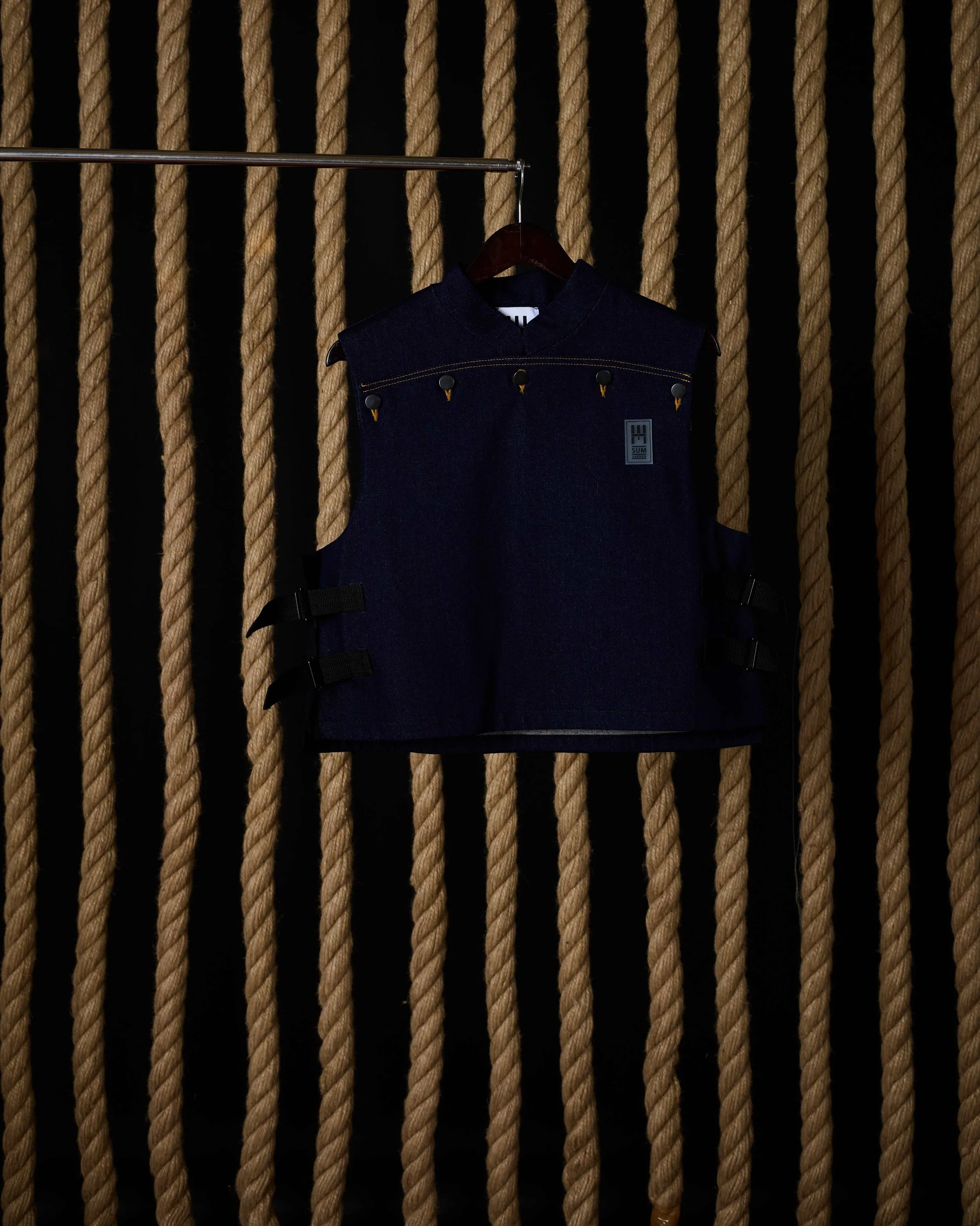
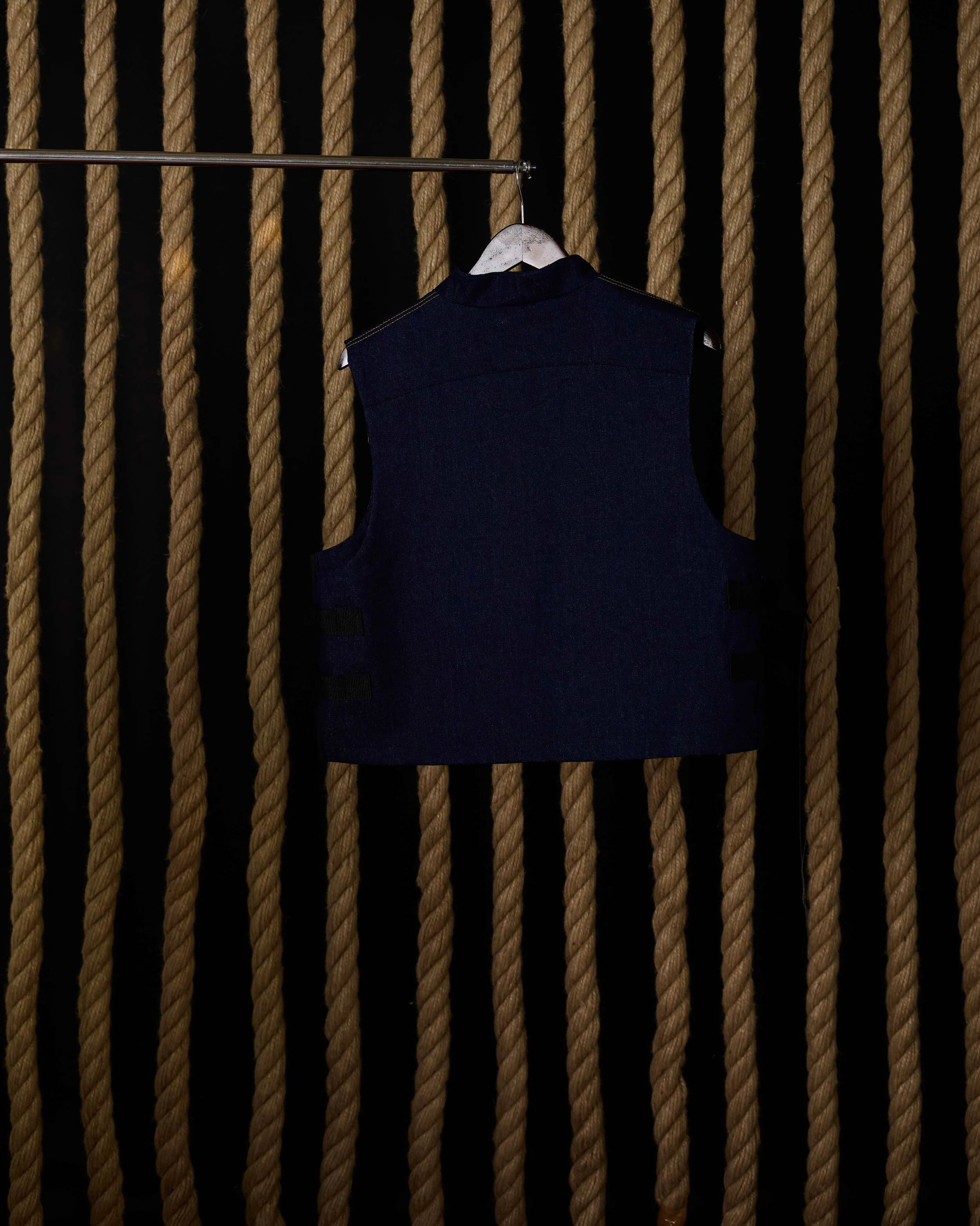
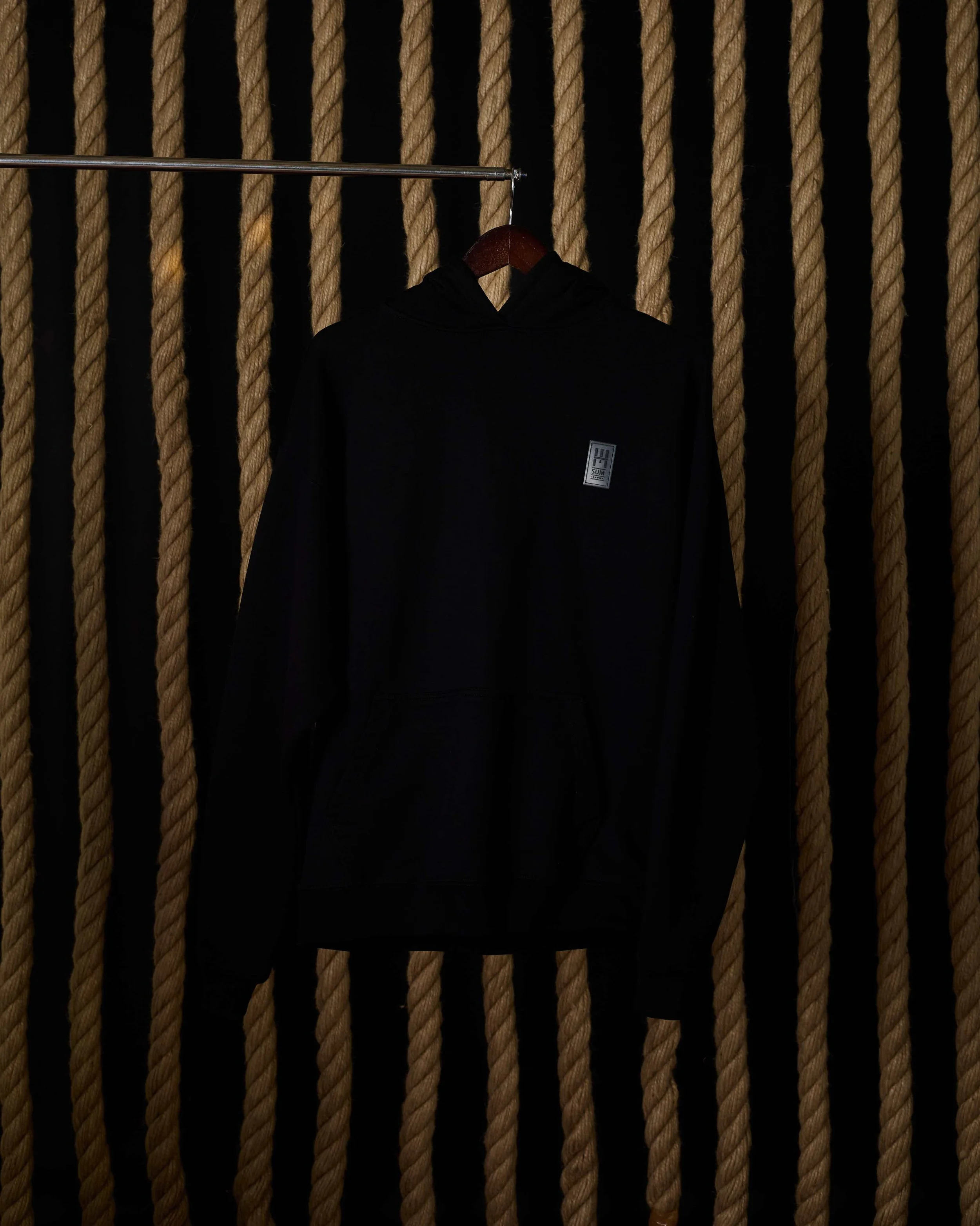
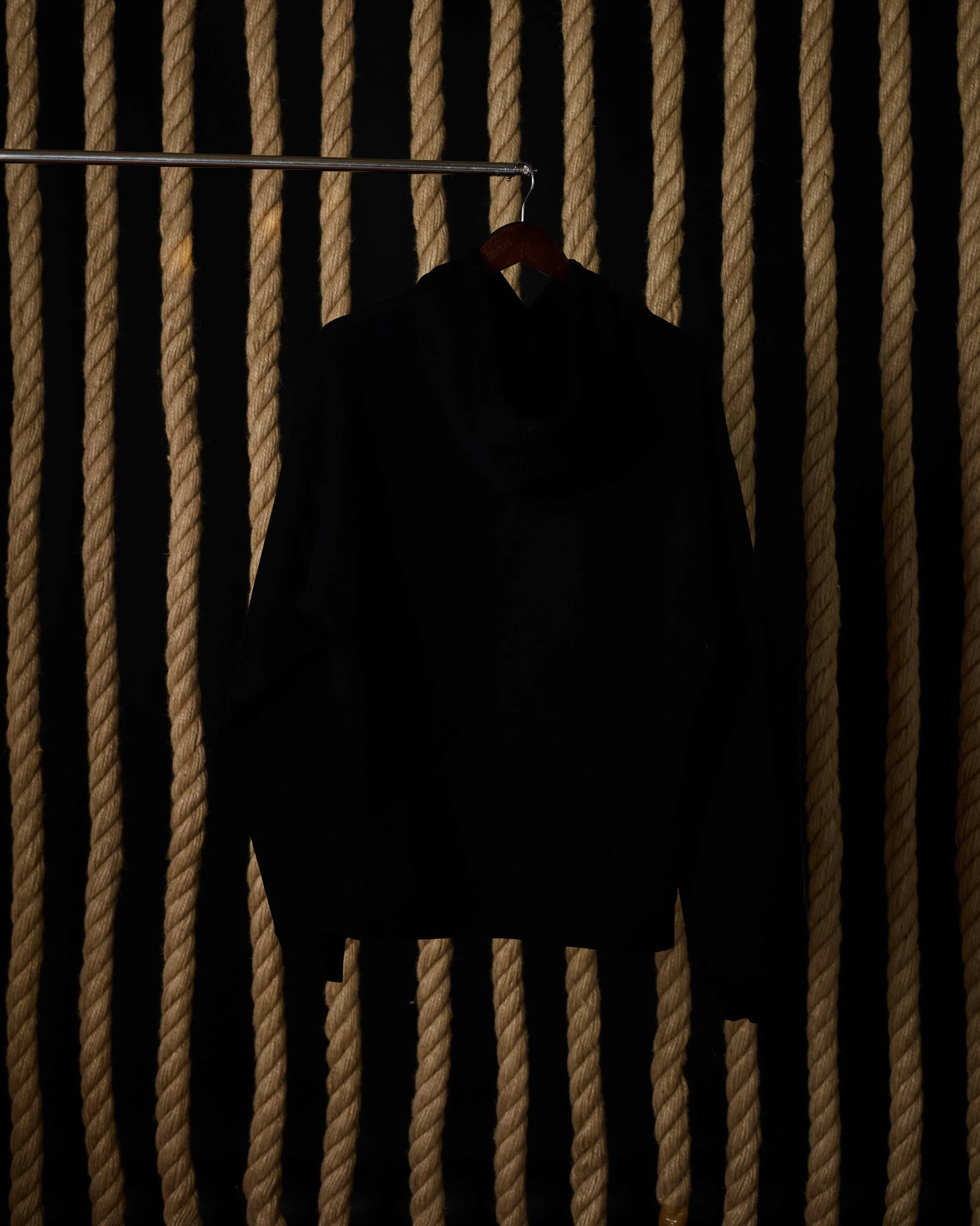
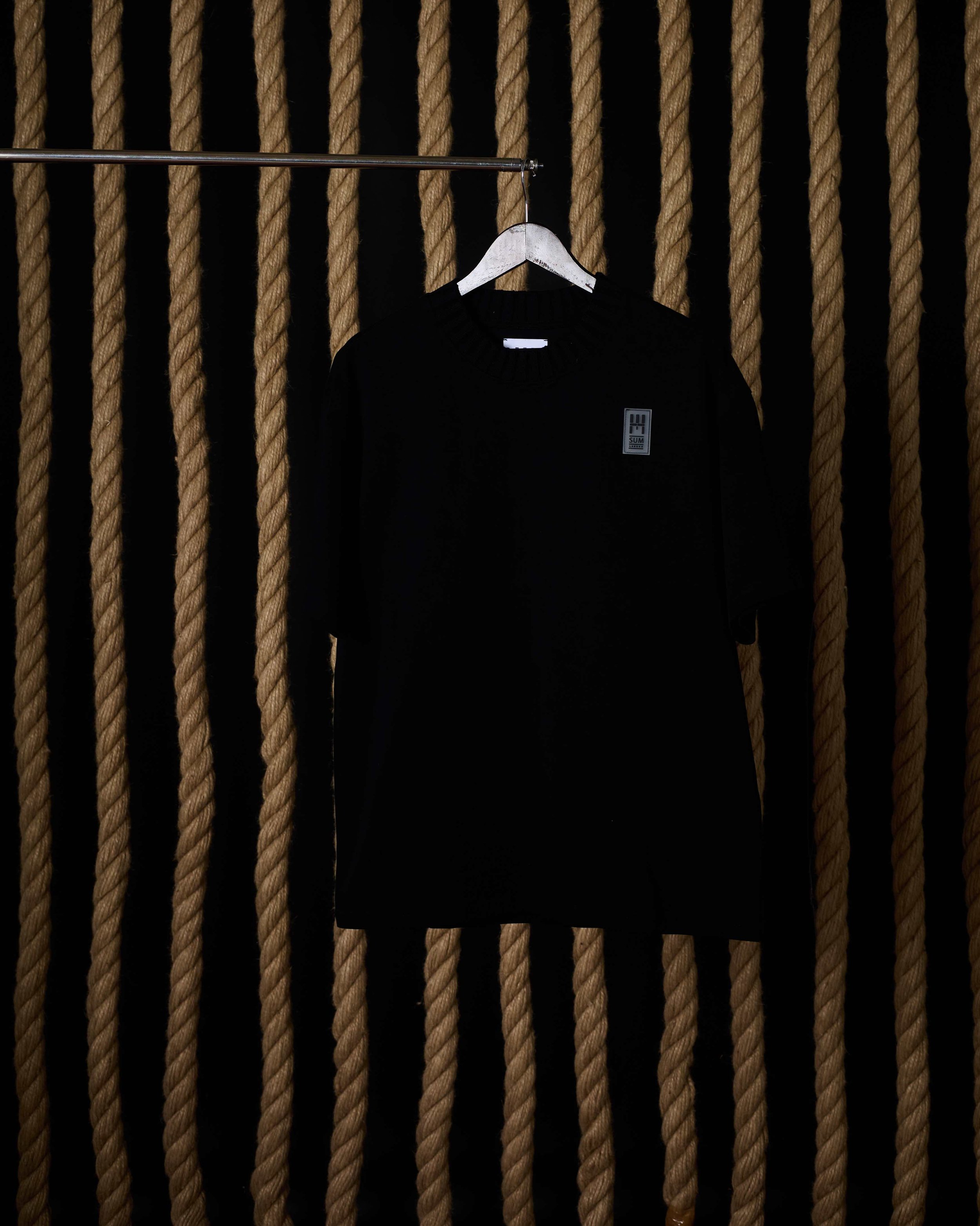
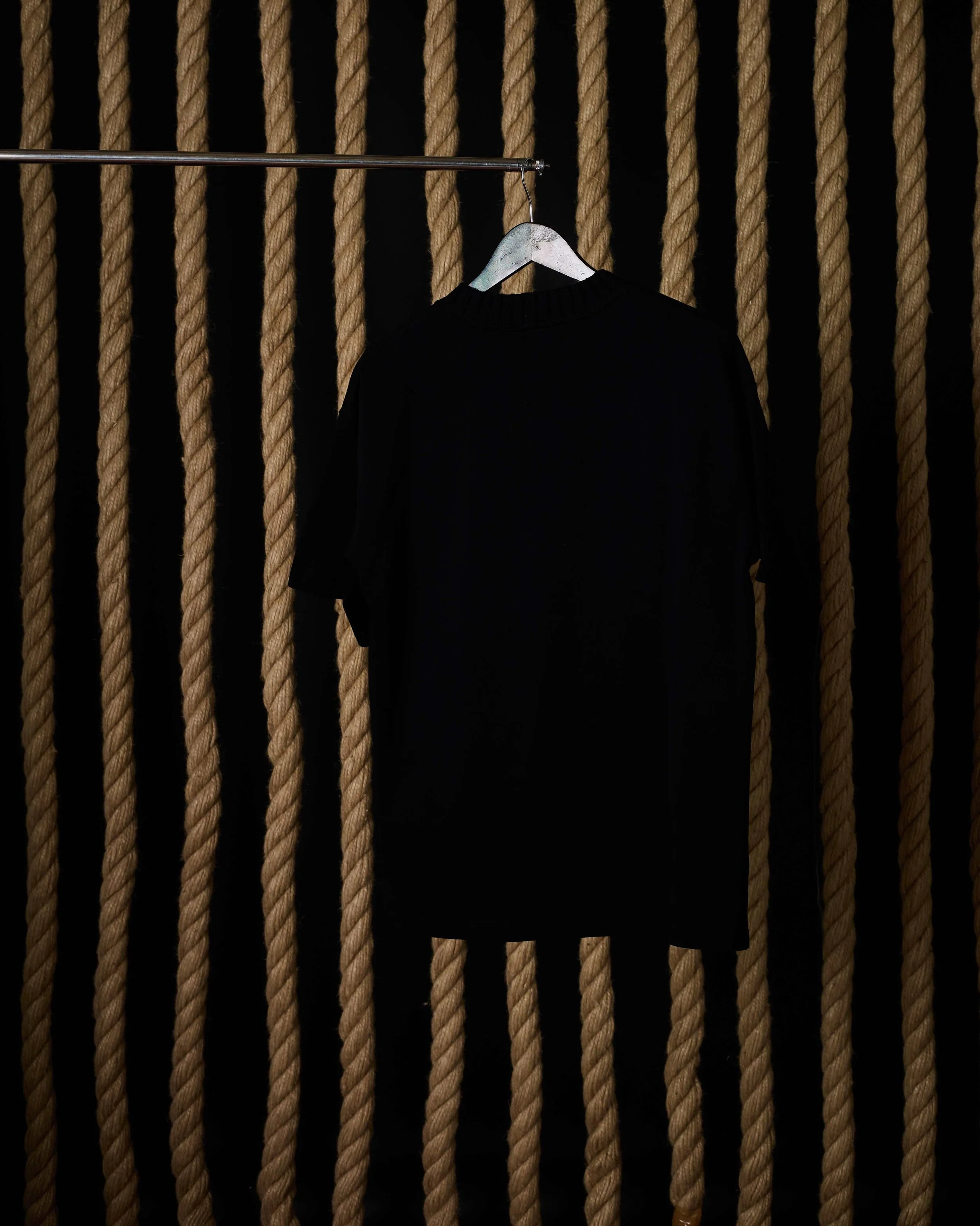
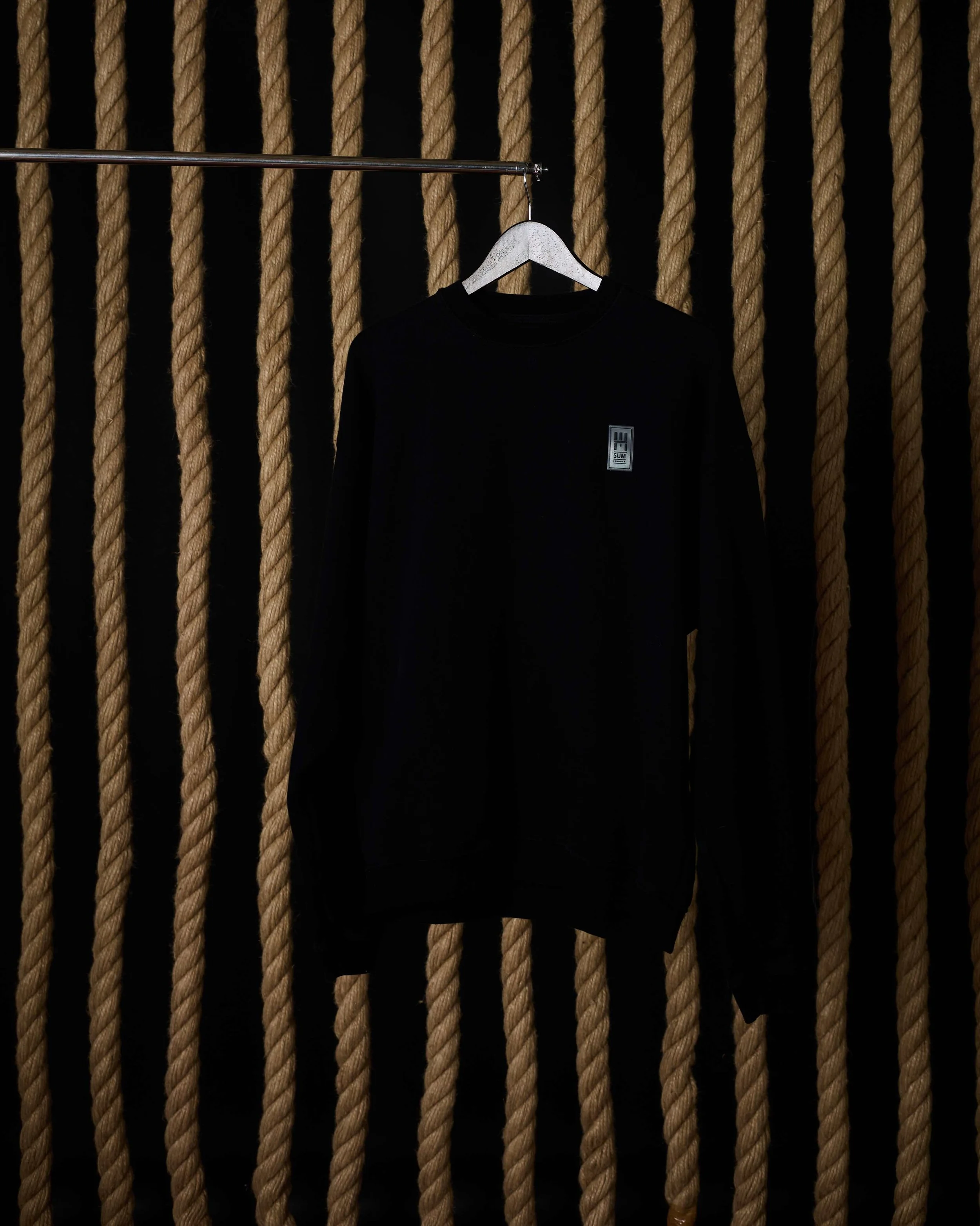
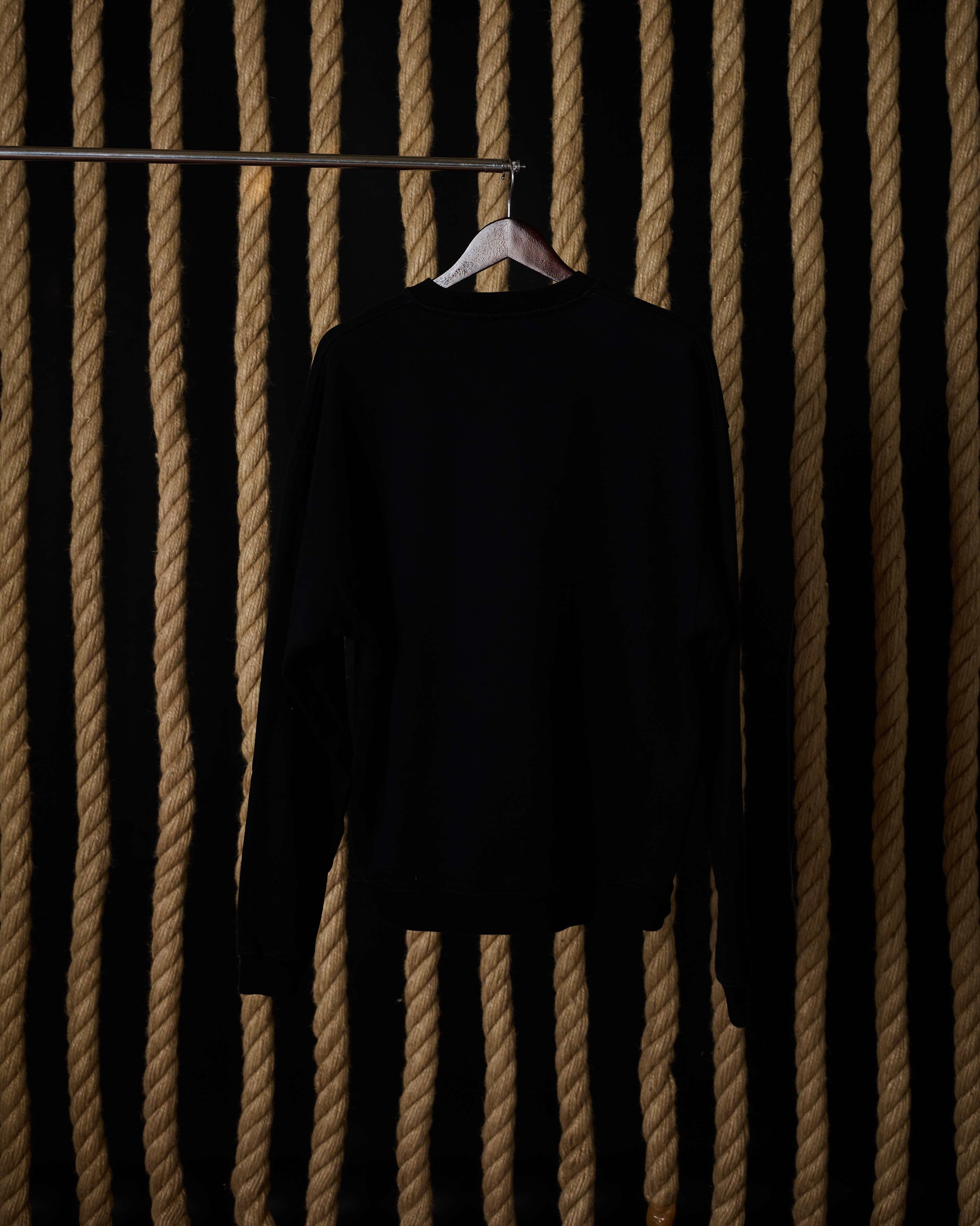
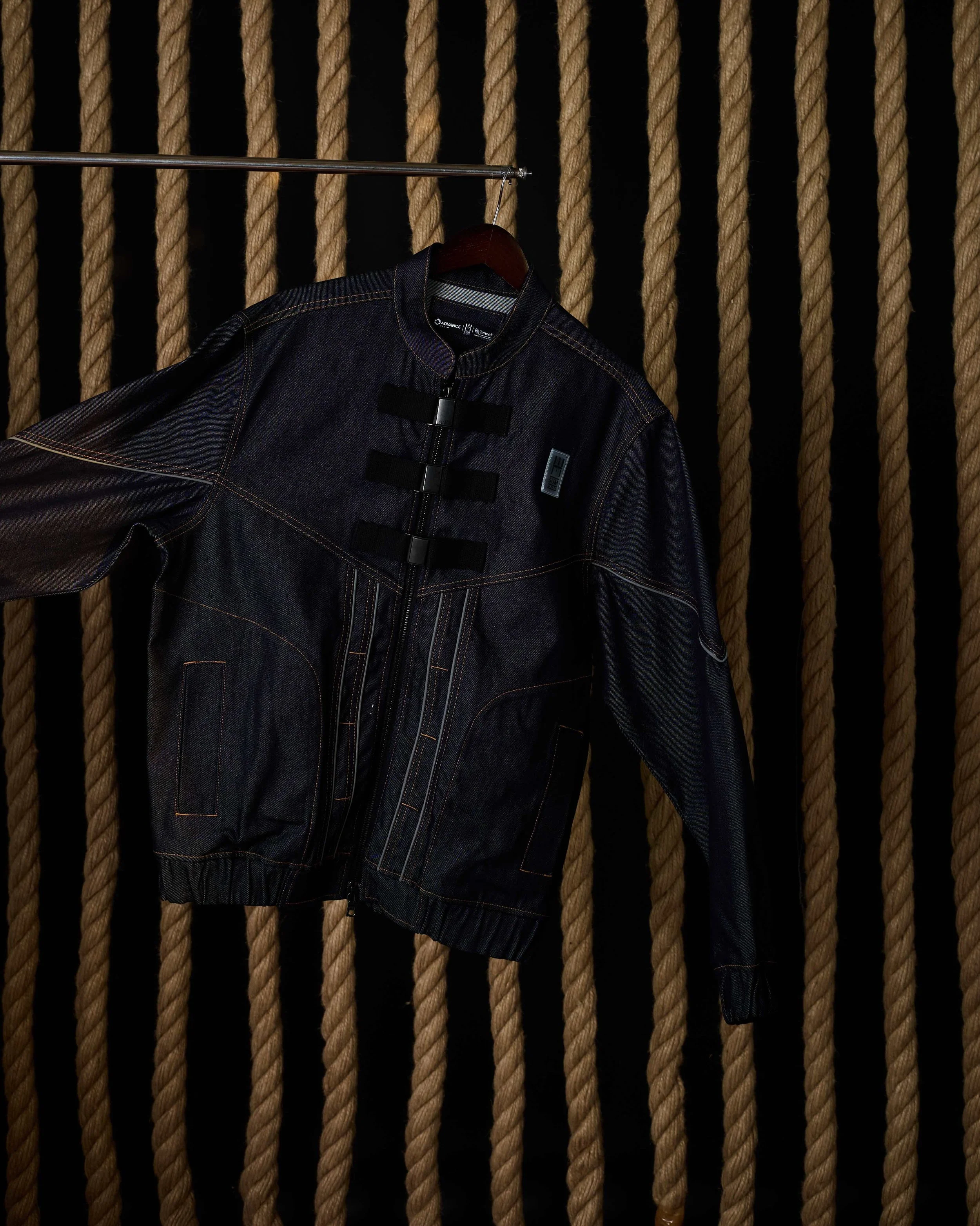
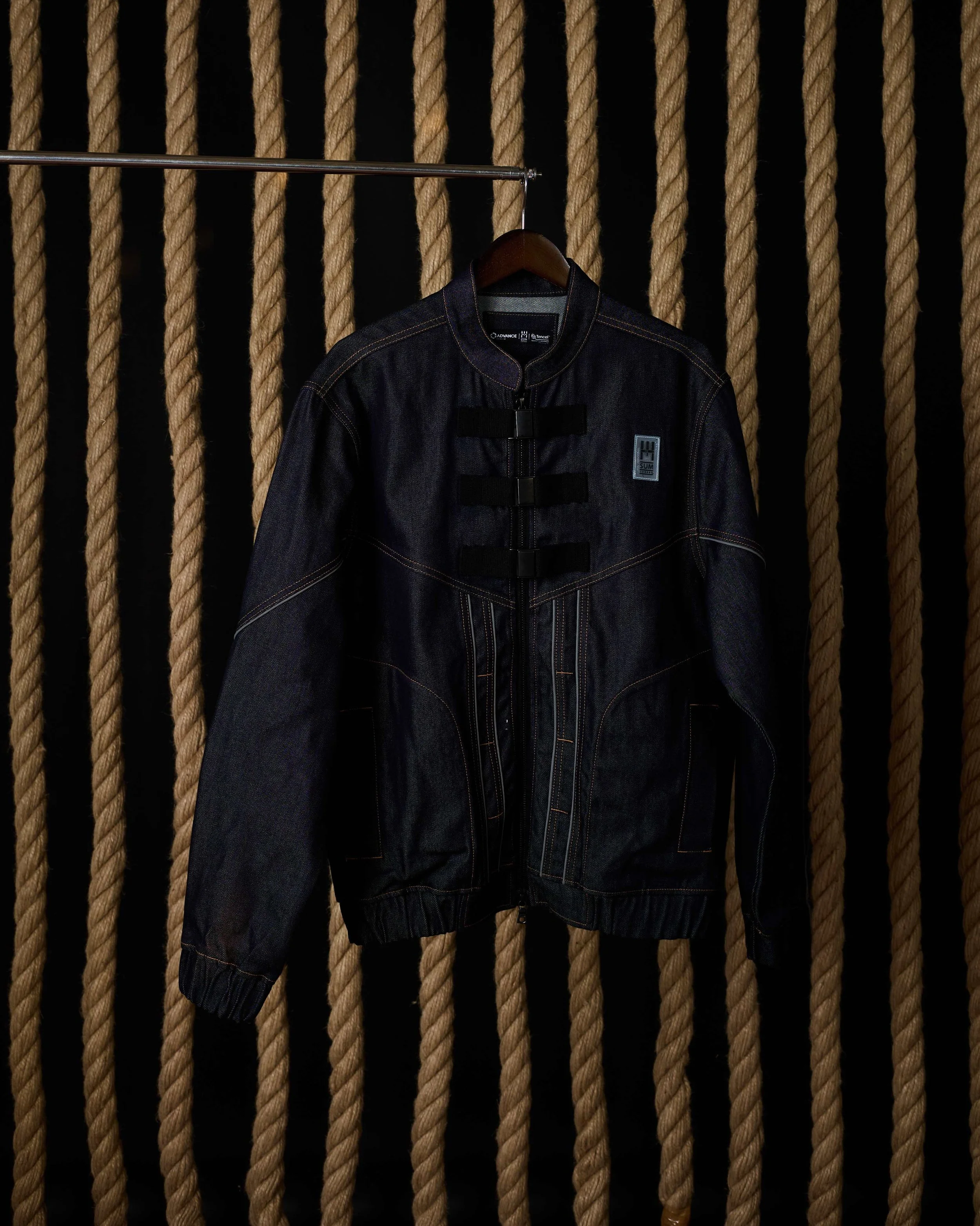
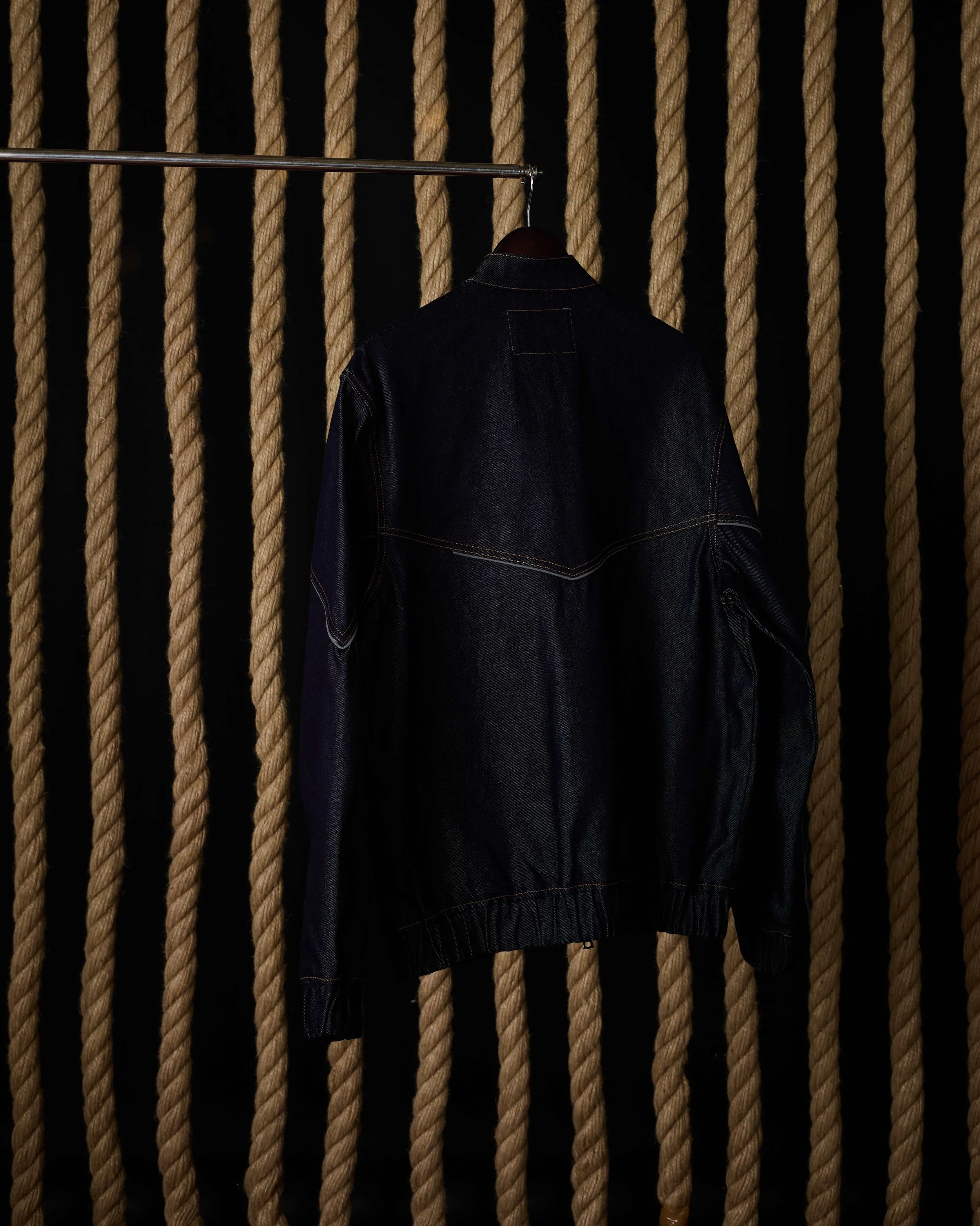
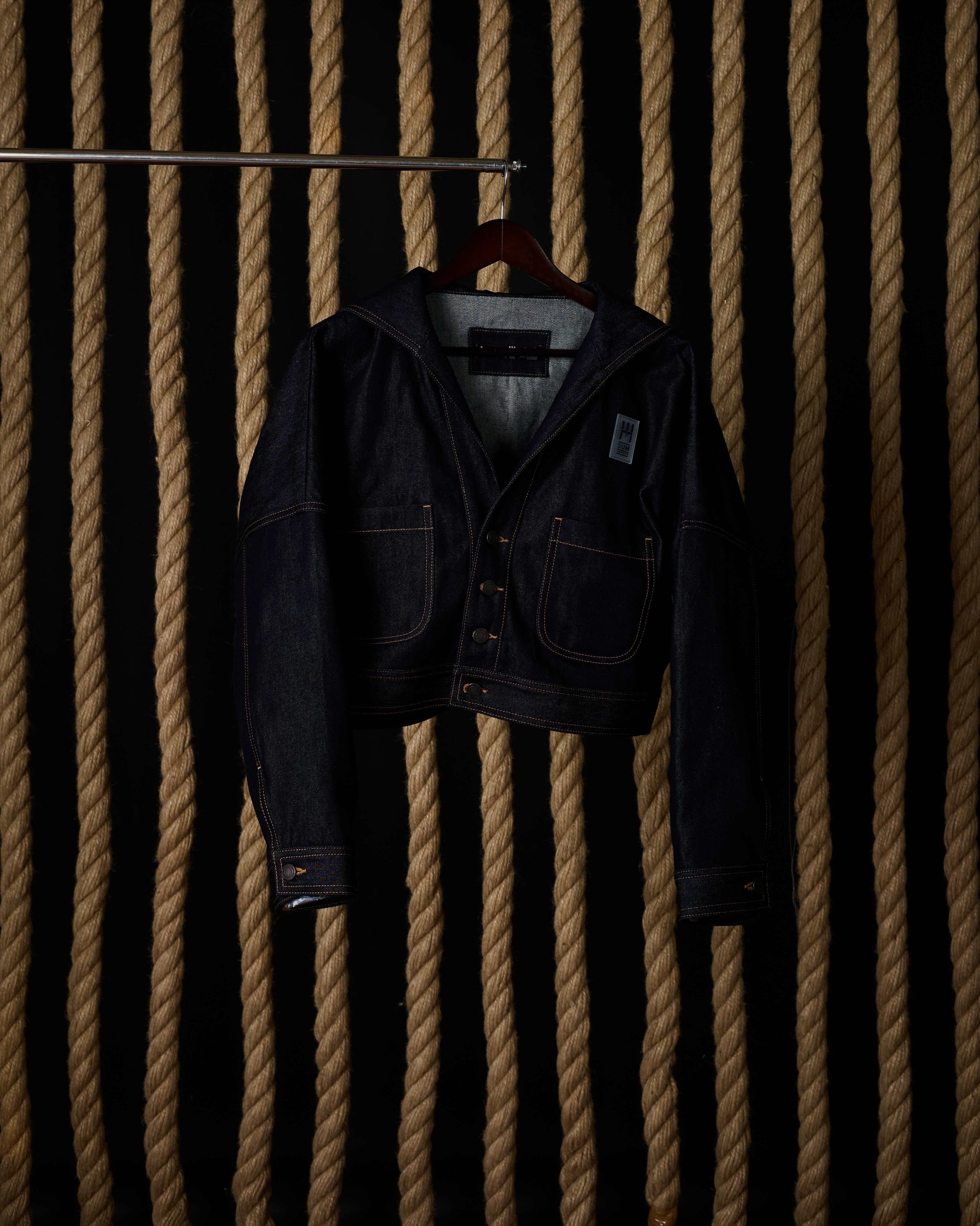
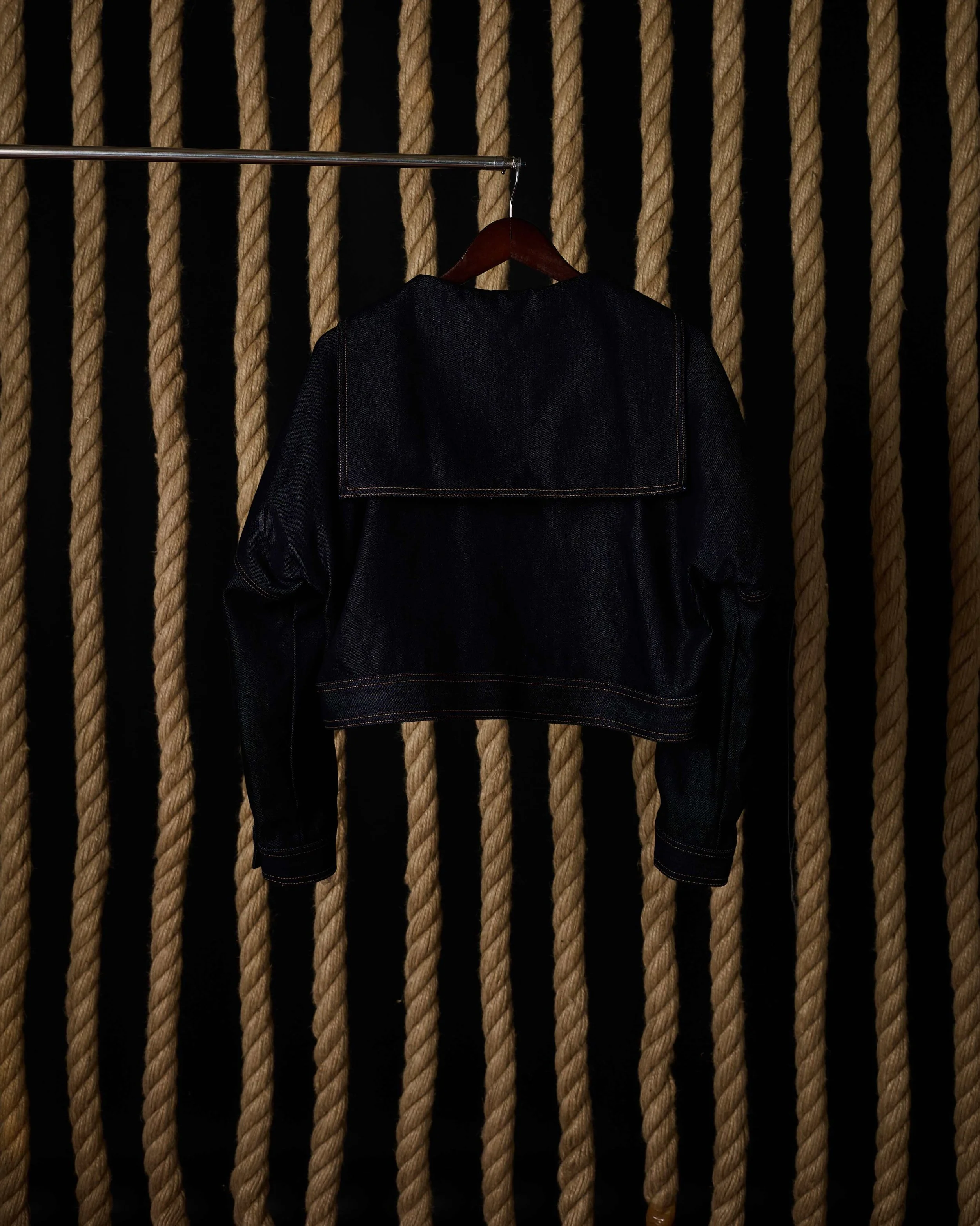
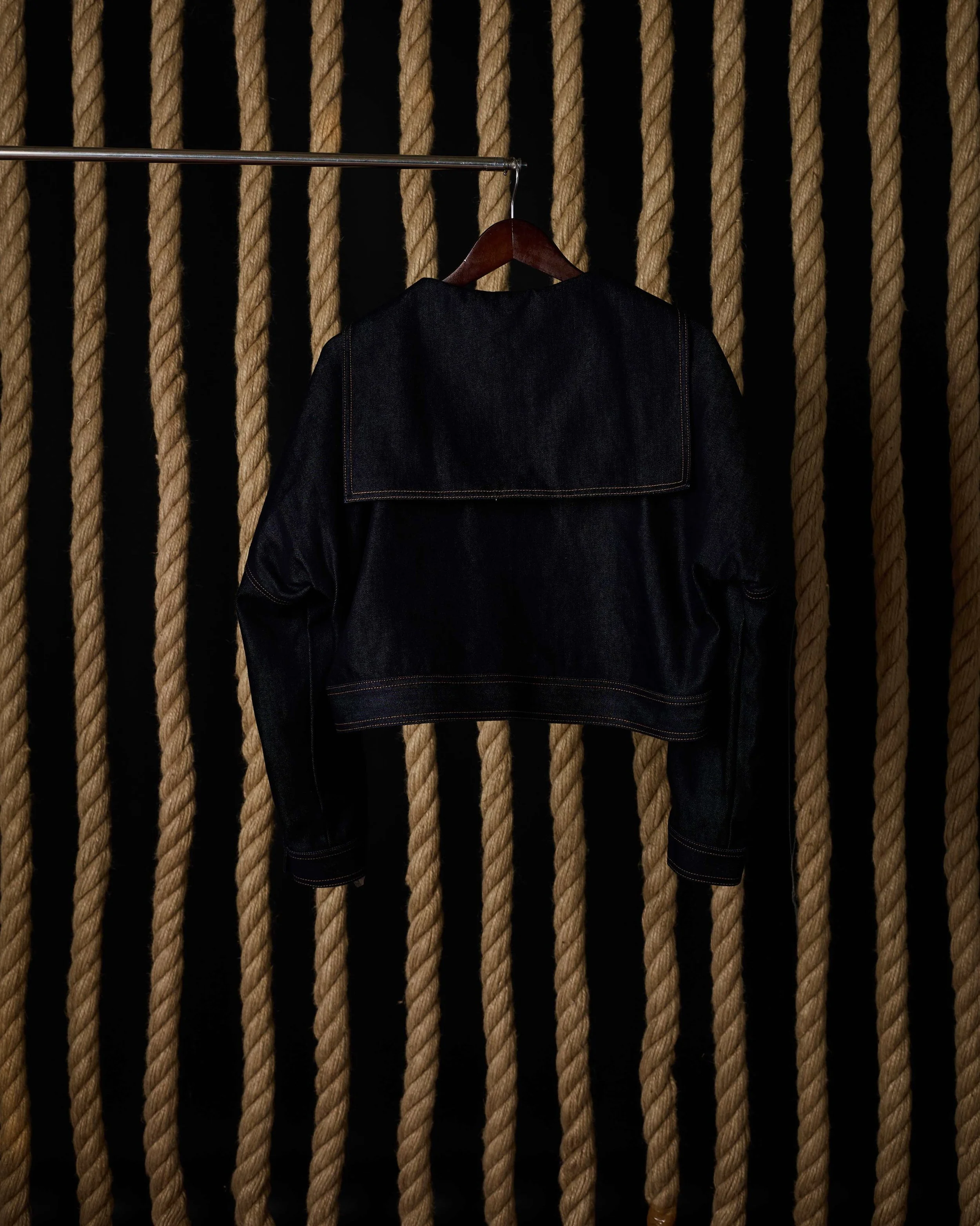
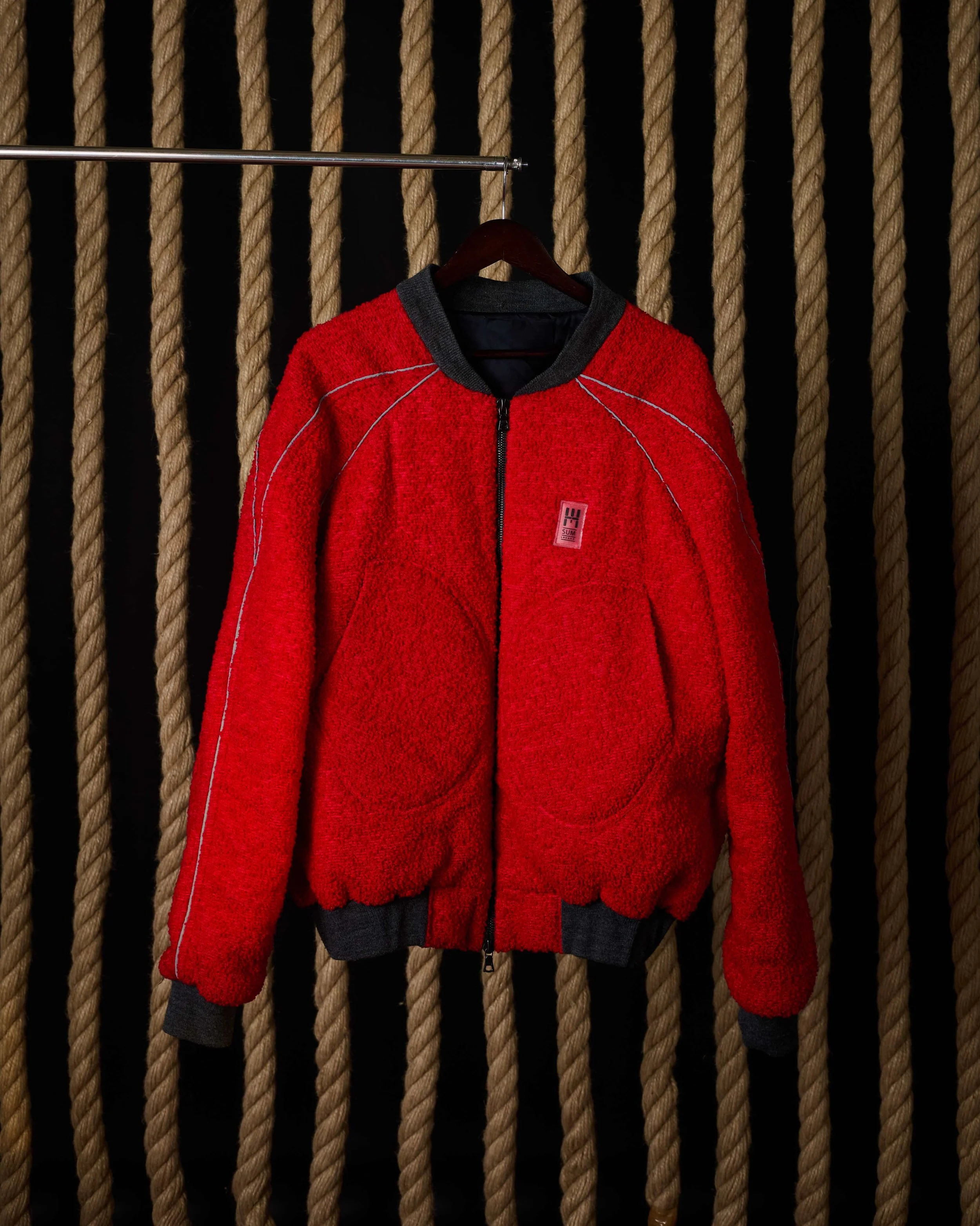
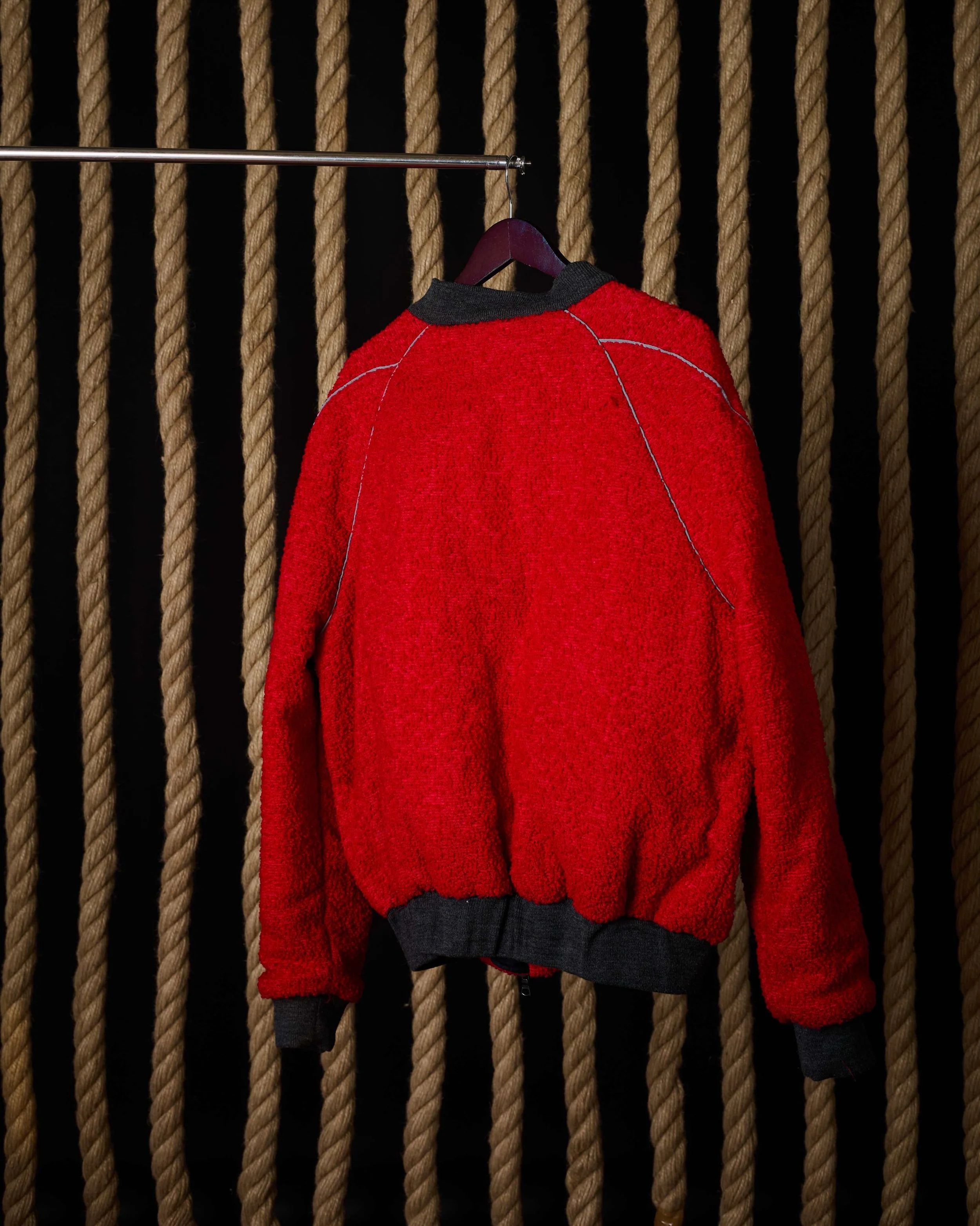
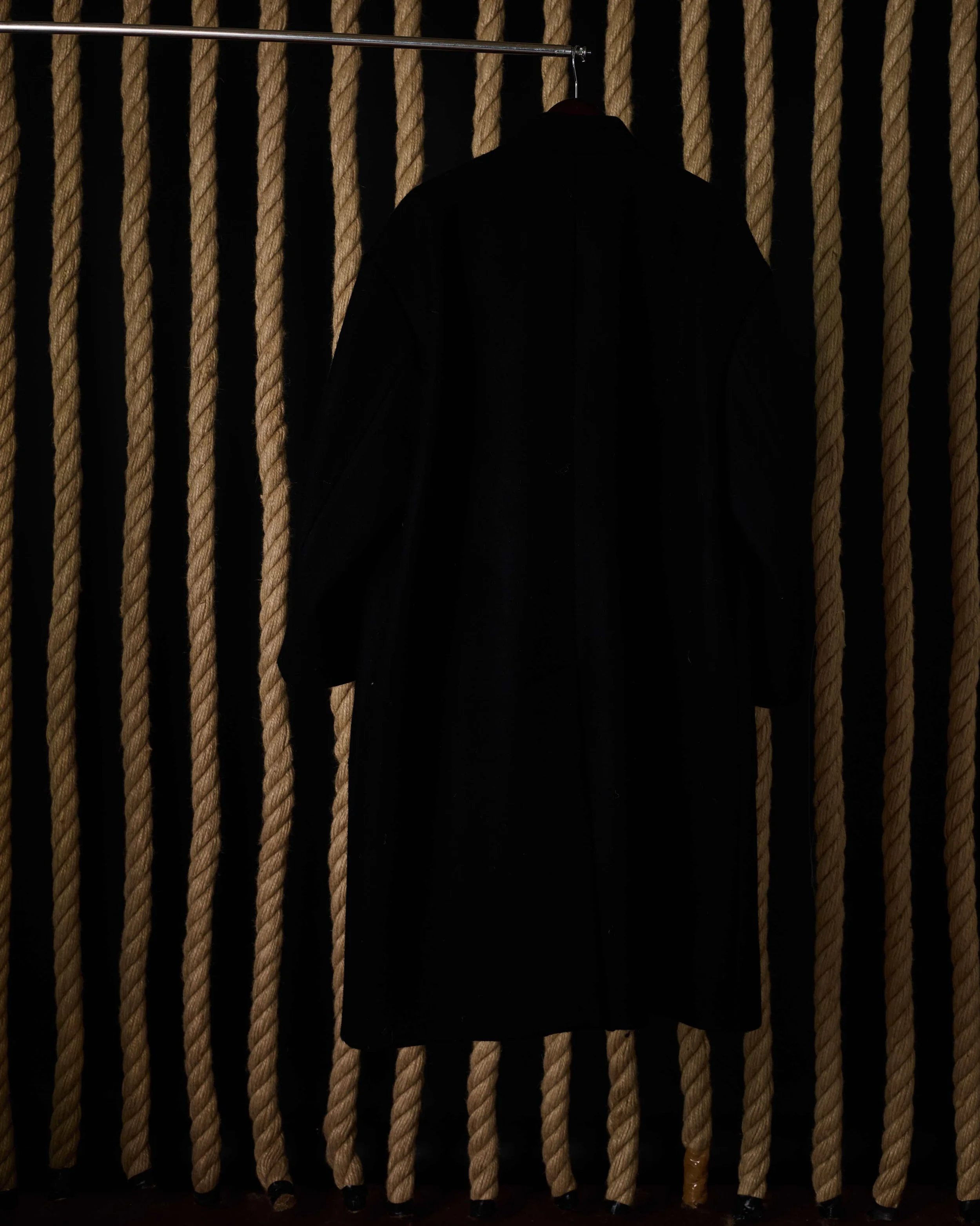
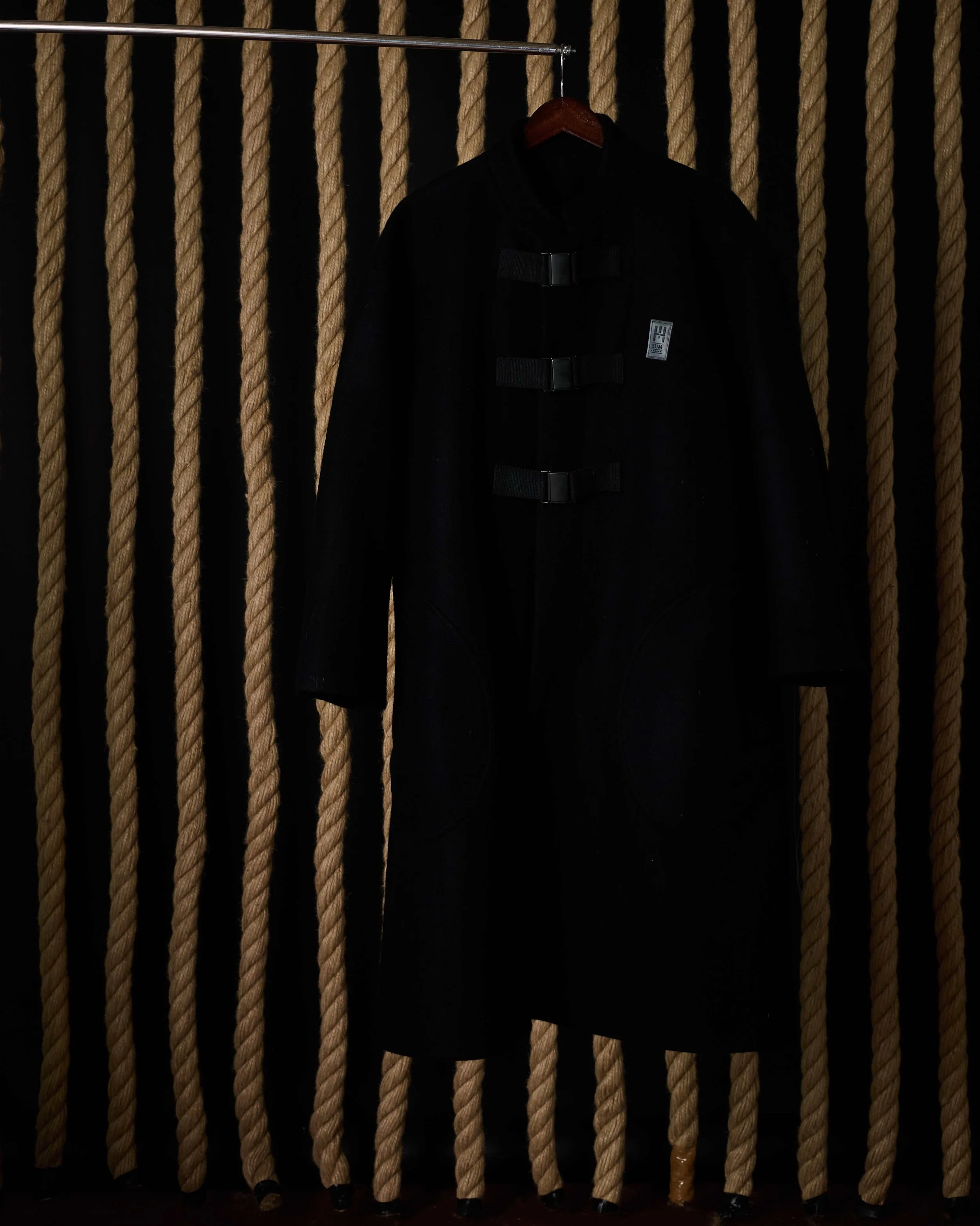
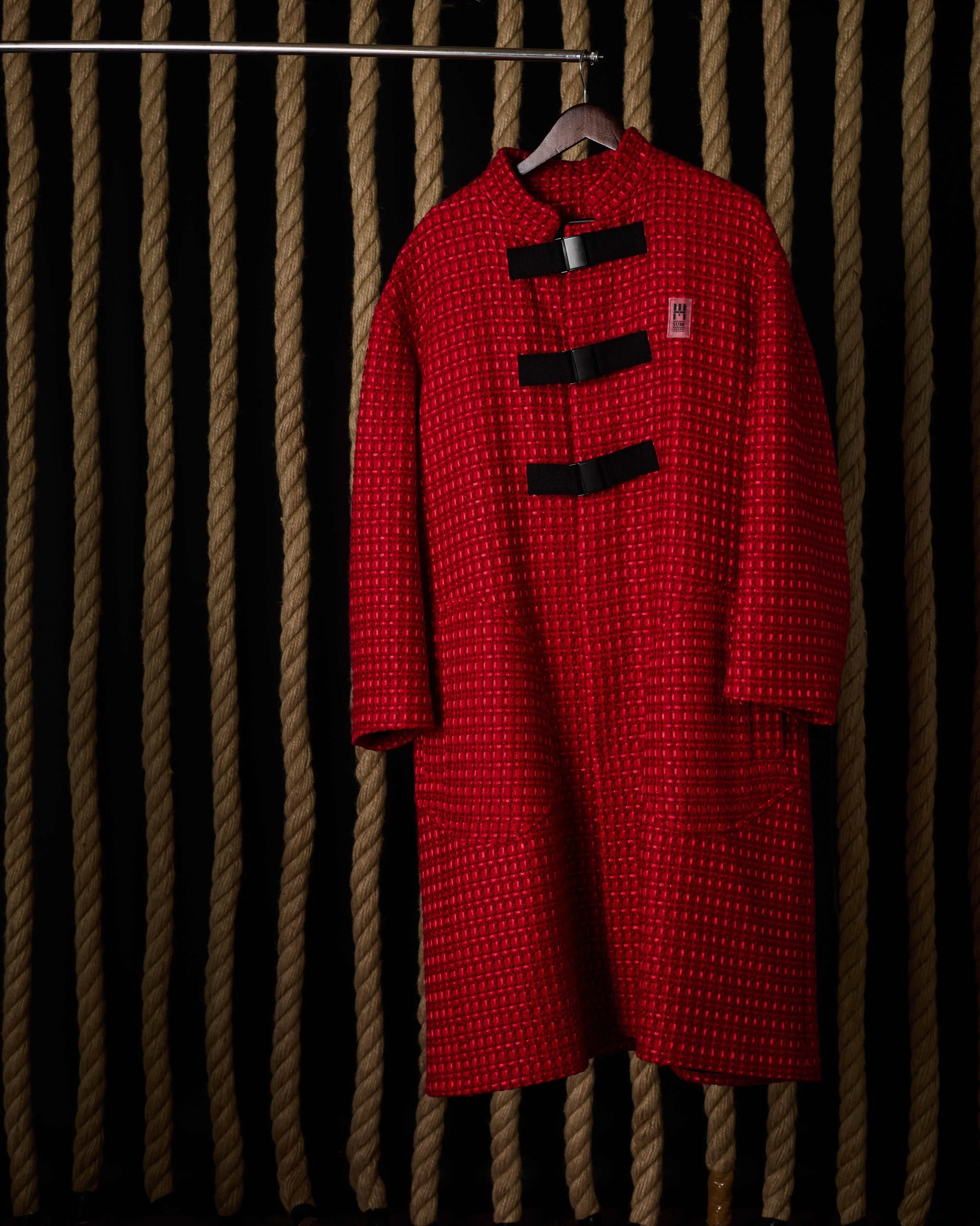
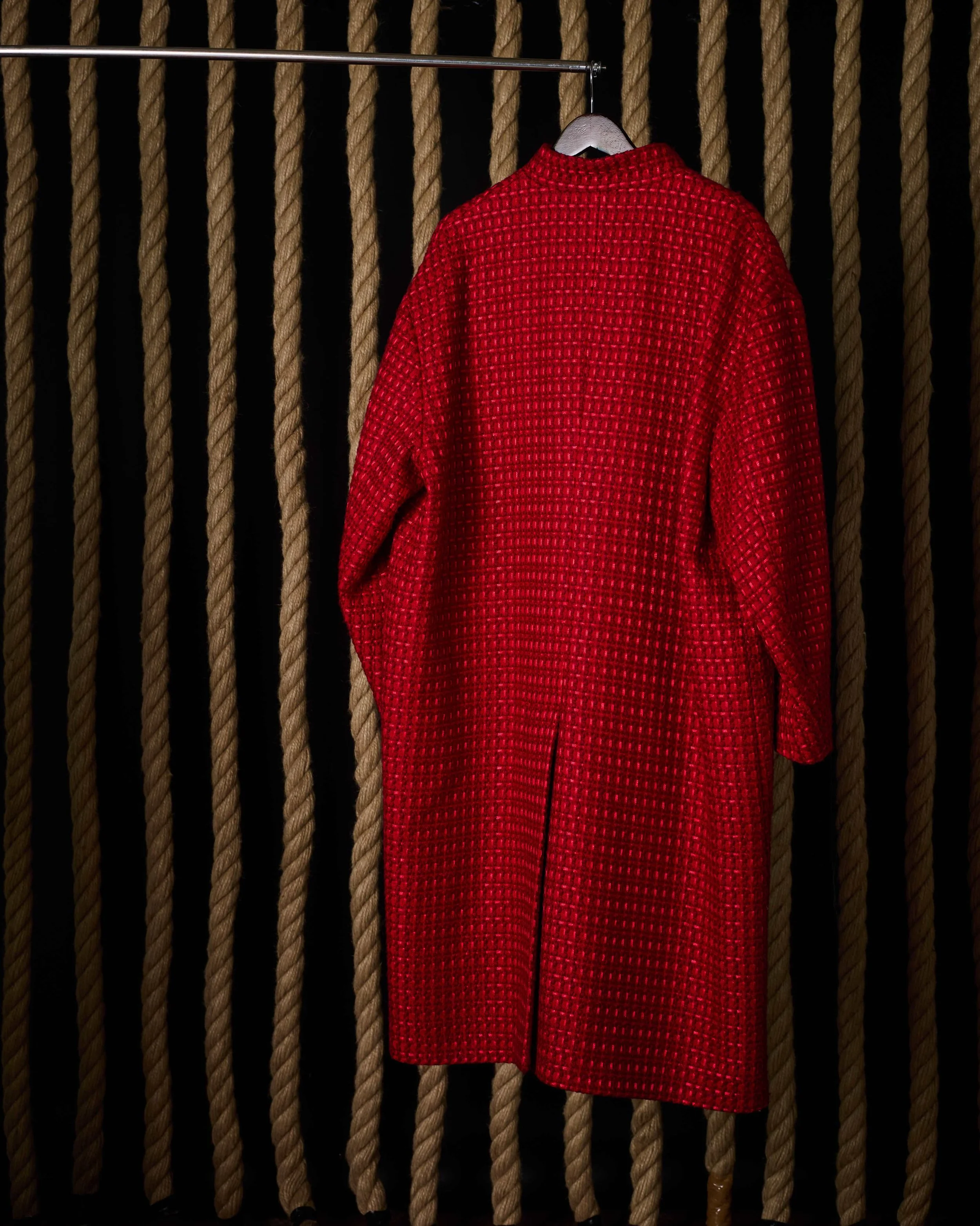
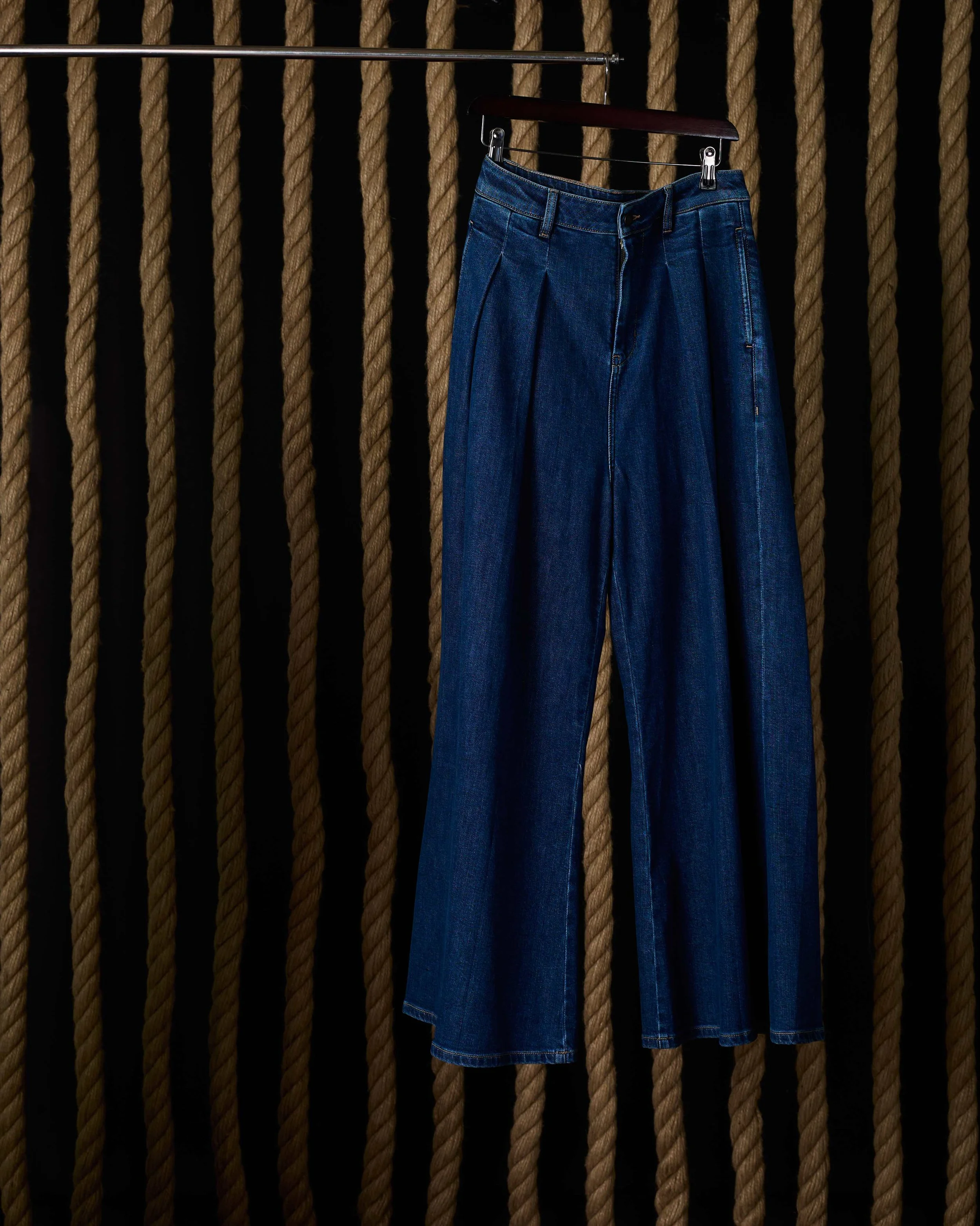
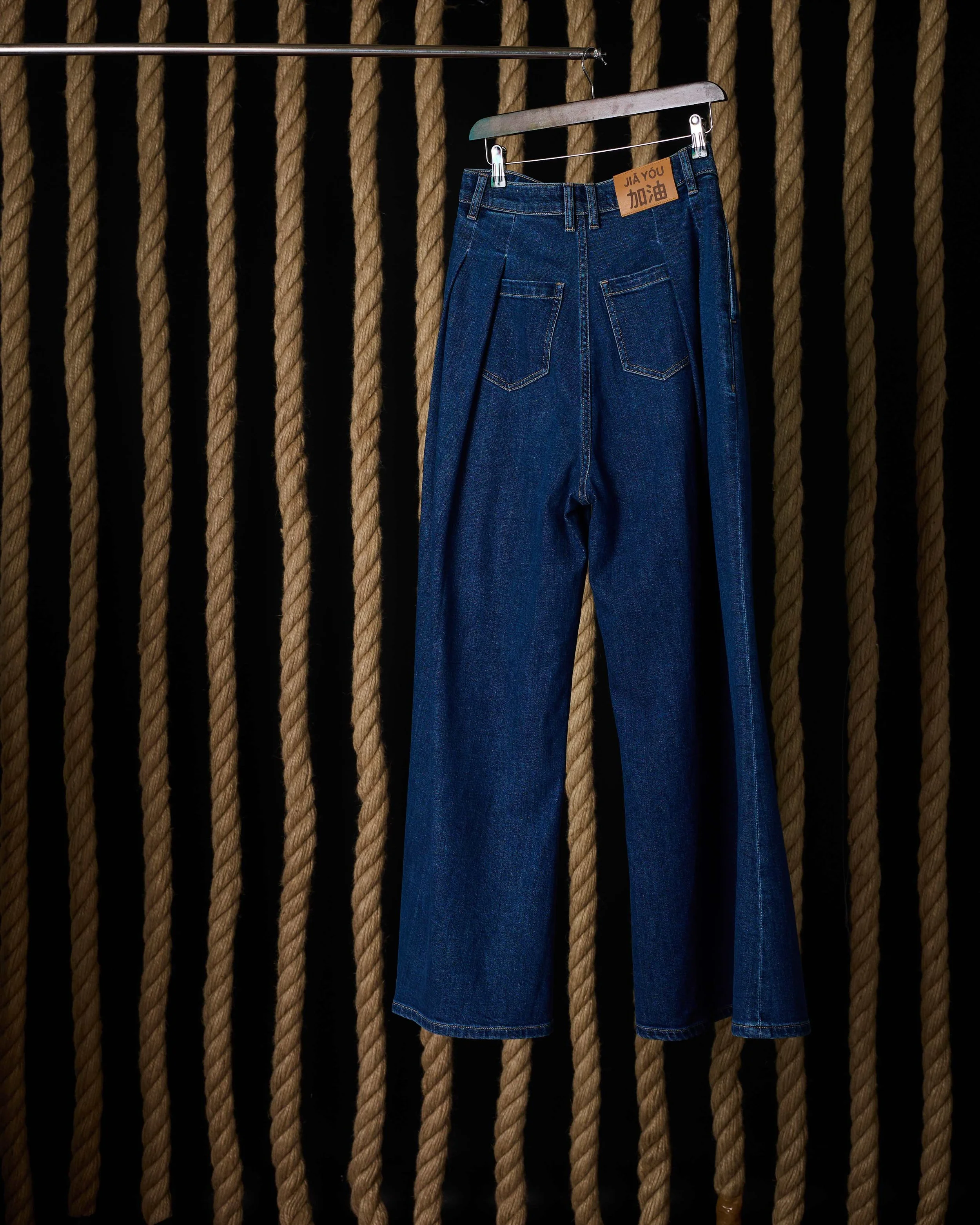
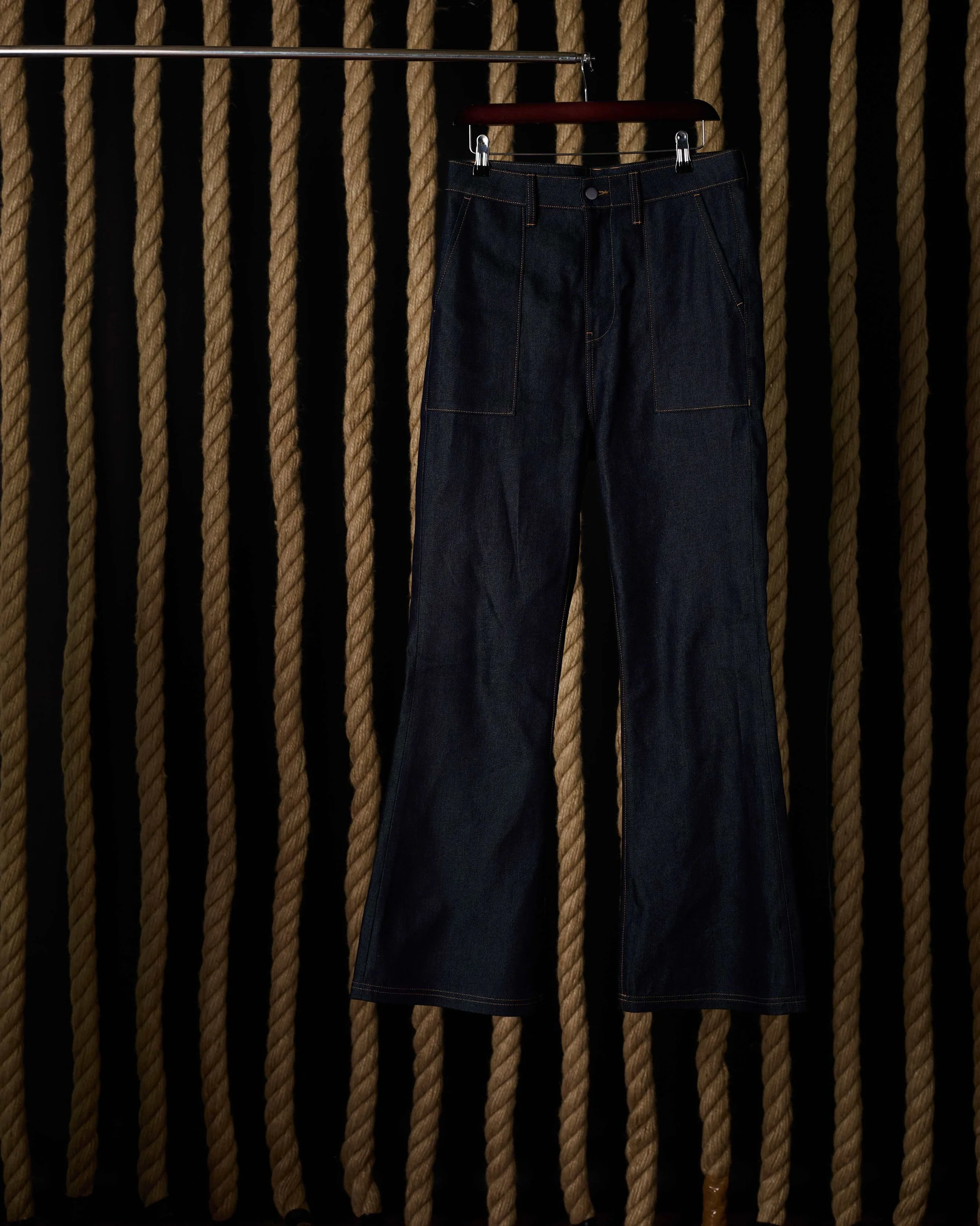
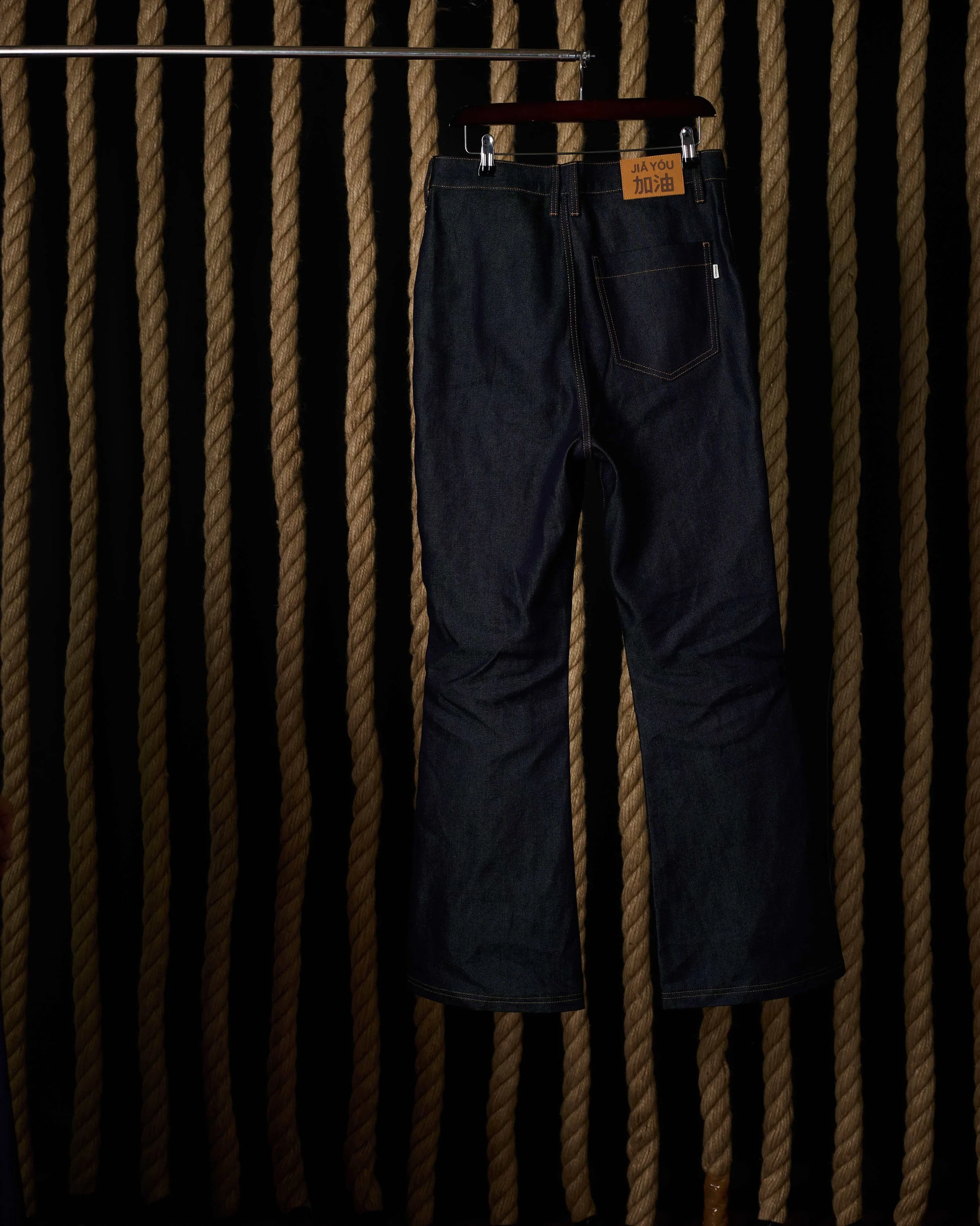
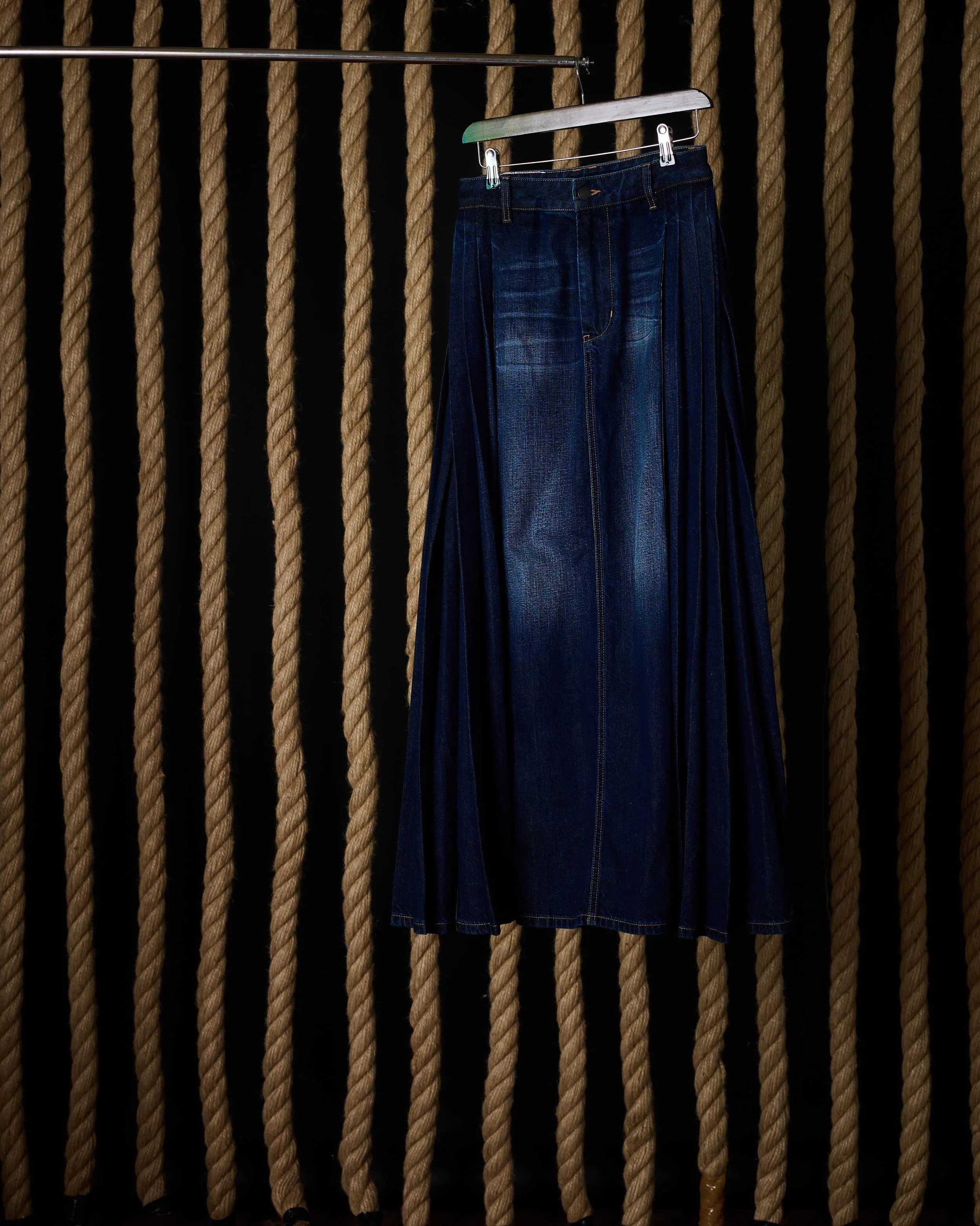
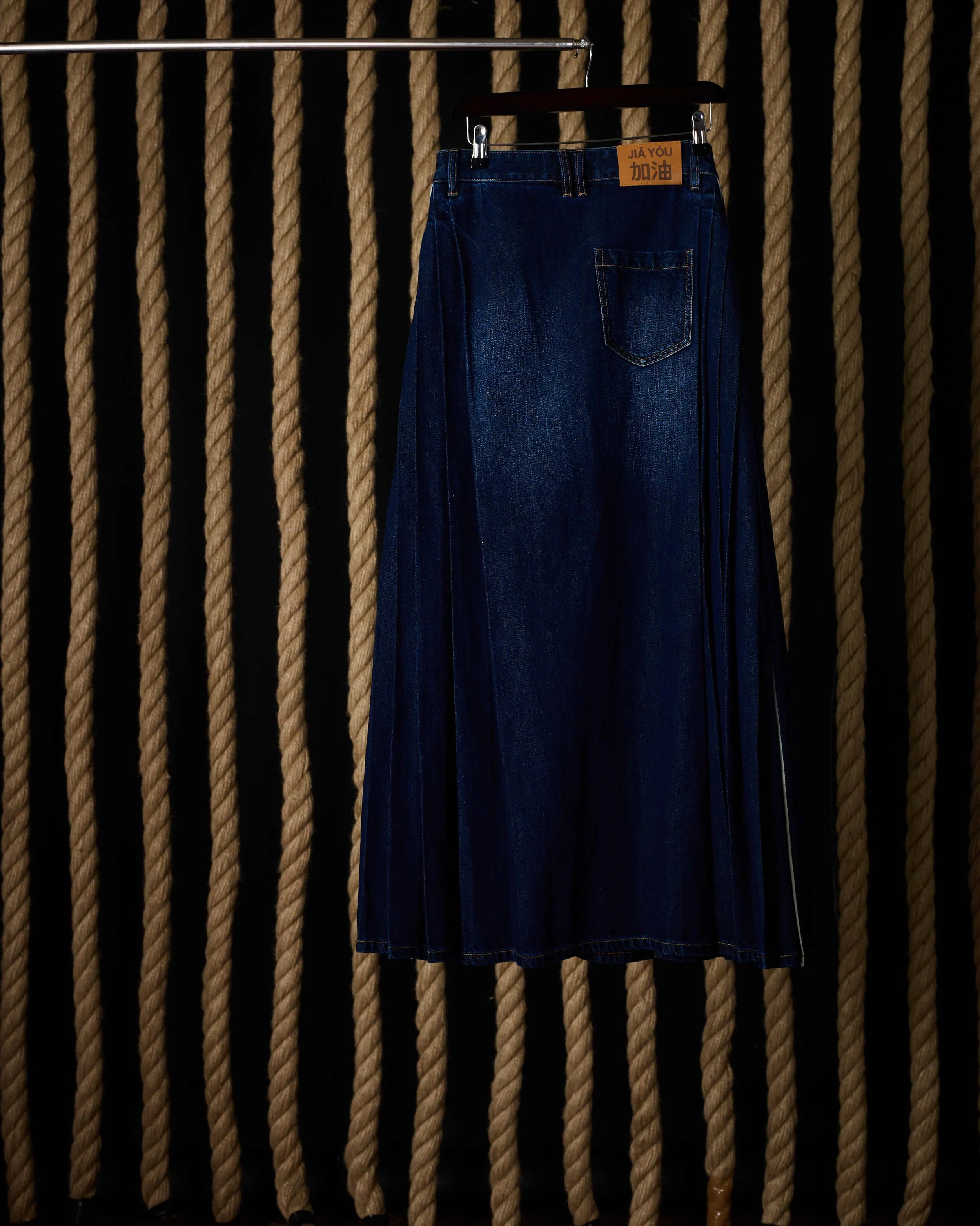
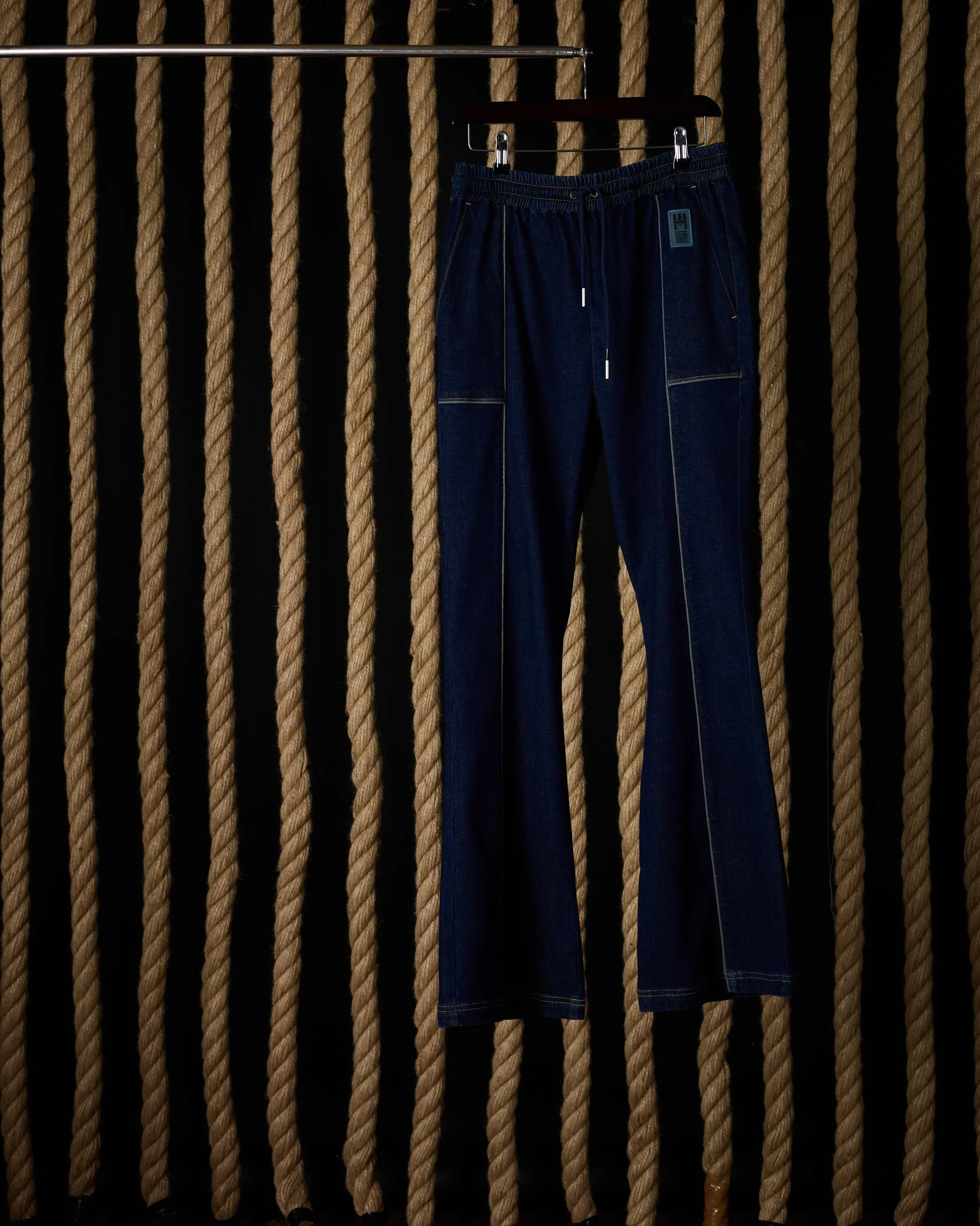
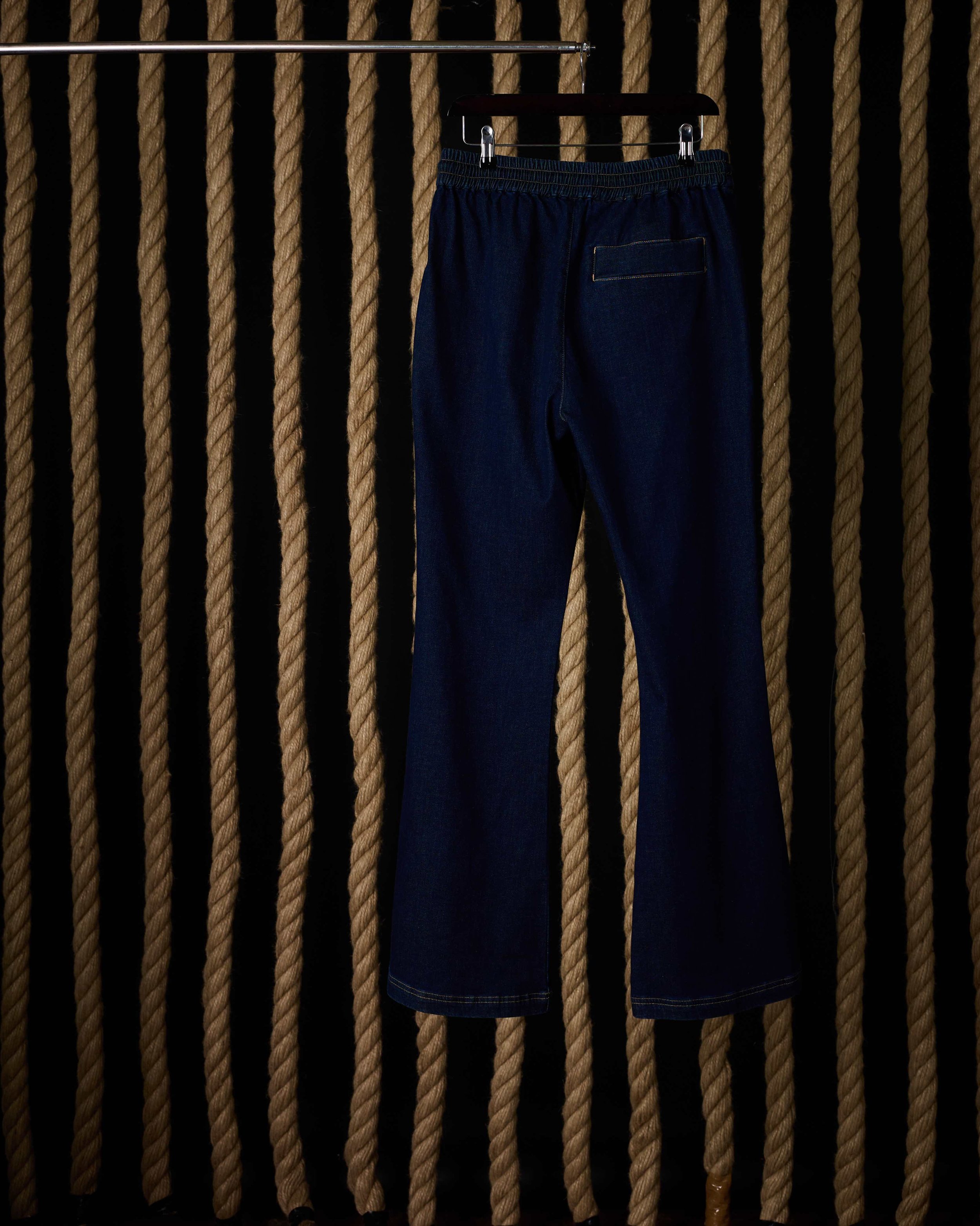
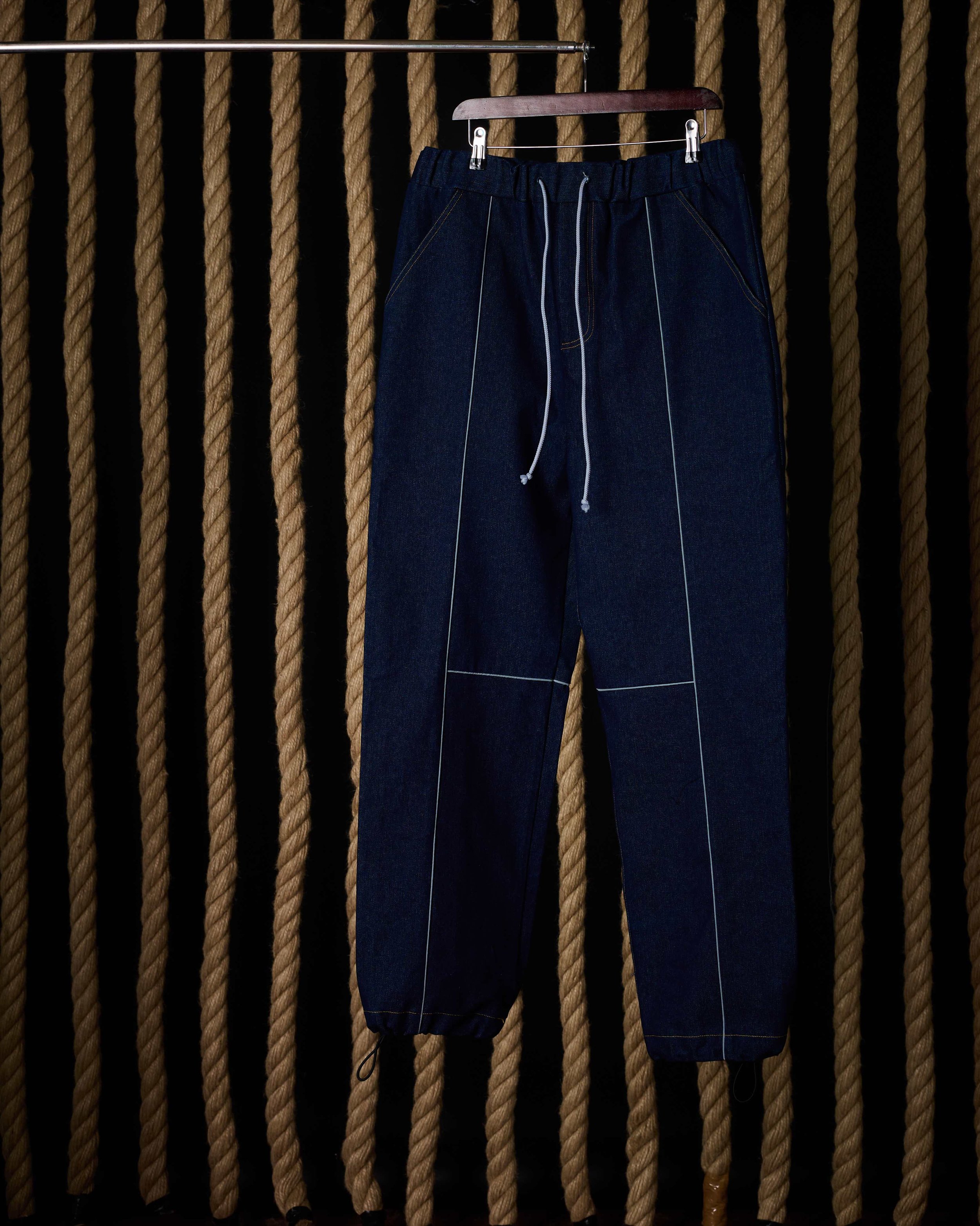
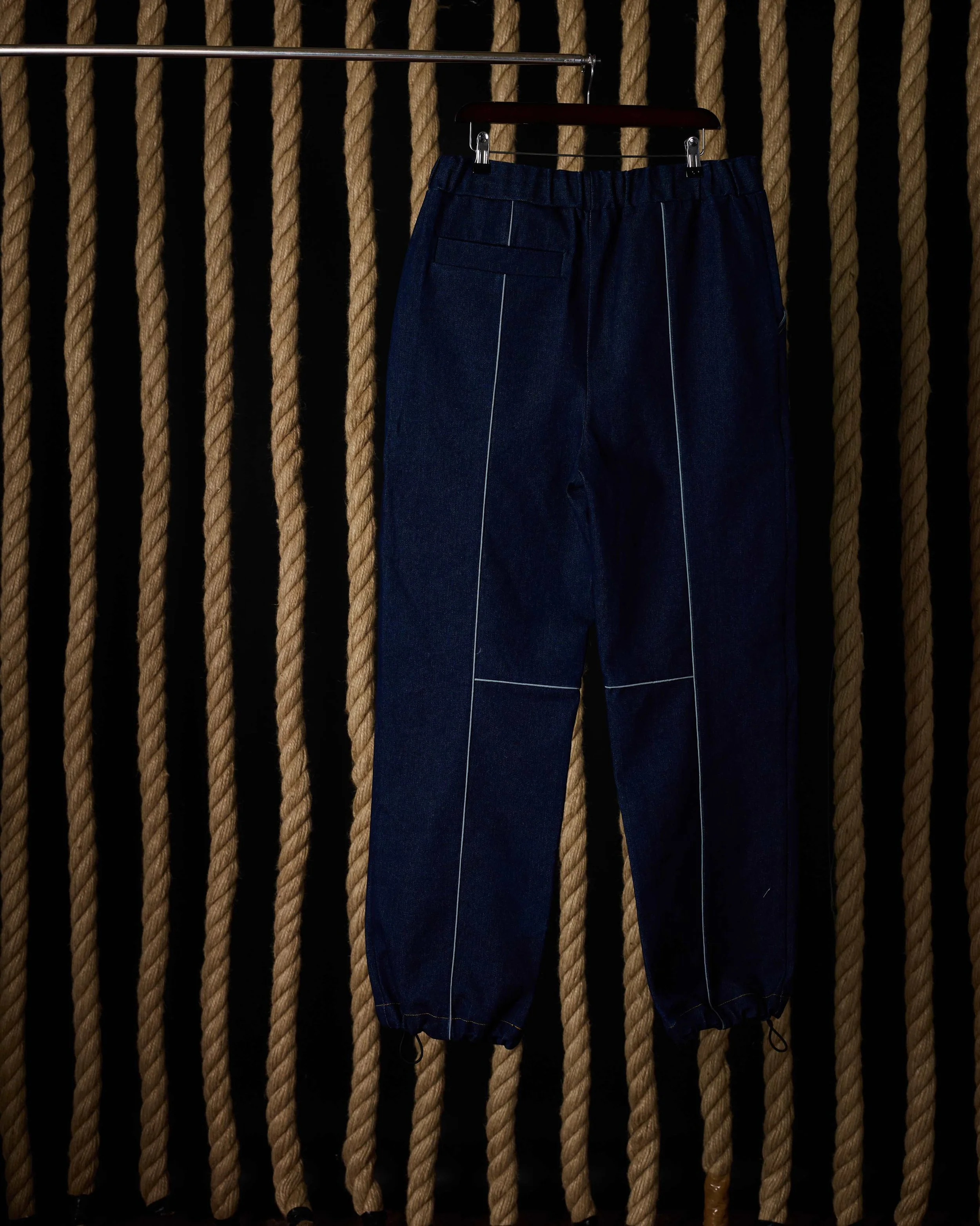
SUM LONDON'S newest collection, JIĀ YÓU/加油, or "keep going" in English, is a new take on workwear. Inspired by traditional Chinese sailors during World War II, the collection combines Eastern motifs with modern denim to create an experimental workwear capsule. Since this was a tight capsule, Sam wanted all the pieces to feel interchangeable, resulting in a cohesive collection that tells a story.
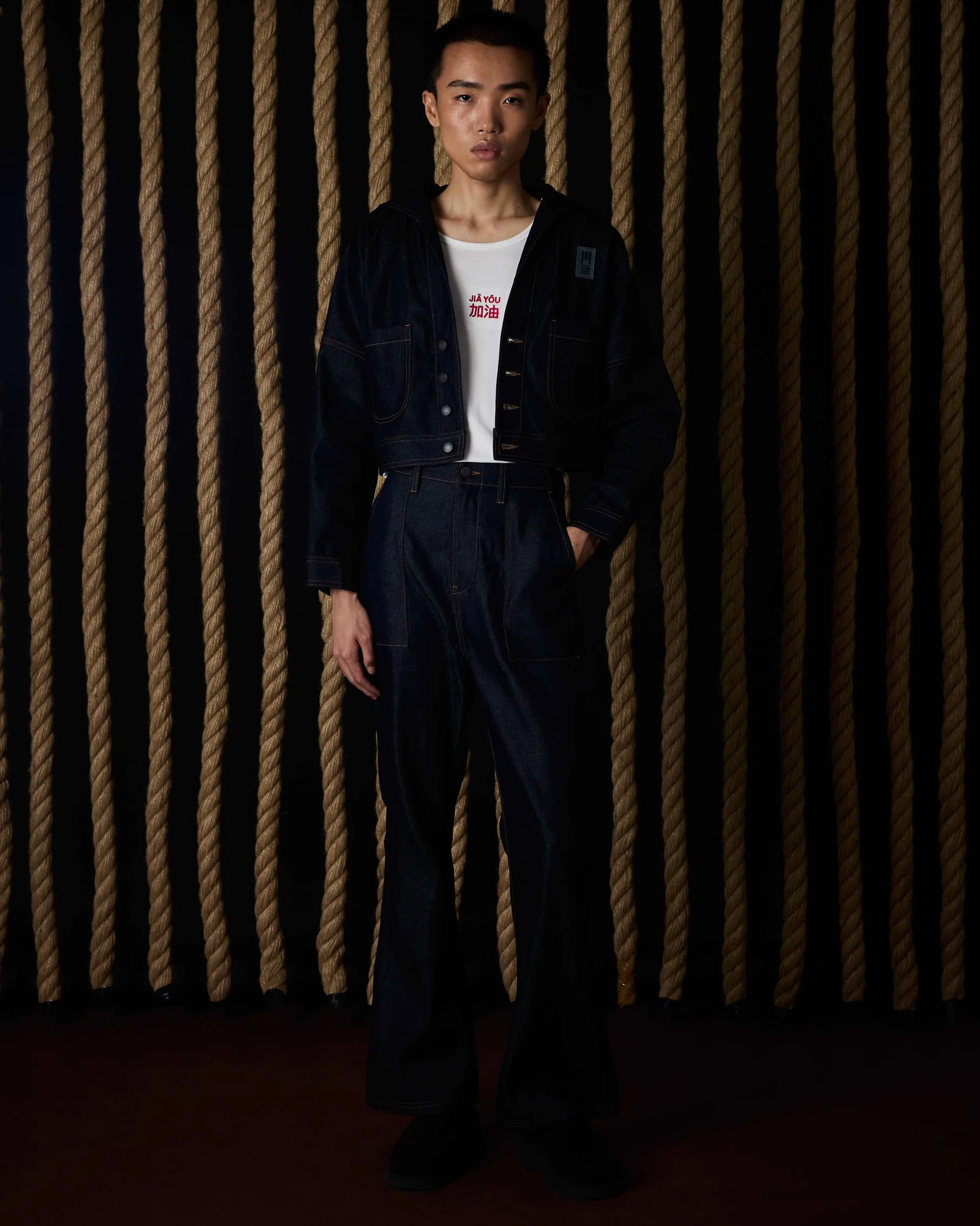
In addition to its deep cultural heritage, SUM LONDON collaborated with the Lenzing Group, a global textile company specializing in regenerated cellulosic fibers, specifically TENCEL™ Lyocell. The use of these innovative materials allows the brand to honor traditional Eastern workwear aesthetics while creating pieces that are both comfortable and environmentally responsible. We interviewed Margaret Sam, founder of SUM LONDON, and Dennis Hui, Global Business Development Manager, Denim at the Lenzing Group, to gain further insight into how this collection came to be.
Margaret Sam:
The collection blends traditional workwear with luxury Eastern silhouettes. What were some of the challenges or surprises when combining those two distinct aesthetics?
Blending traditional workwear with luxury Eastern silhouettes is part of SUM LONDON’s design DNA. Balancing the Eastern heritage aspects and maintaining a sense of contemporary wearability is a core consideration when designing. Utilising denim from China’s oldest denim mill, Advance Denim with the versatile TENCEL™ fibres made from wood pulp [1] was the best way to weave this sense of Chinese heritage within the JIĀ YÓU | 加油 storytelling.
This collection, as well as your brand, often explores themes of identity, specifically your Eastern heritage. How do you use these themes while also trying to appeal to a global audience?
SUM LONDON draws from Eastern heritage and designs with a global audience in mind, particularly serving the Asian diaspora and melting pots like London, New York, LA, Hong Kong, Shanghai, Taipei, Seoul and Tokyo. Beyond identity, our global appeal reaches people who appreciate well-crafted, sustainable clothing and contemporary designs that transcend cultural boundaries.
JIĀ YÓU | 加油” translates to “keep going.” How does this sentiment influence you while approaching your collection as well as designing the pieces?
JIĀ YÓU | 加油 reflects the Chinese work ethic and honors the 20,000 Chinese sailors who served Britain during WWII. This sentiment inspired the naval silhouettes in the collection, paying homage to their dedication while integrating historical references into contemporary pieces that celebrate resilience and perseverance.
Dennis Hui:
From a materials and fabrics point of view, what does true sustainability look like today, and how does the Lenzing Group ensure that there is truth behind their claim of sustainability?
In fashion, true sustainability isn’t just a buzzword – it’s a responsibility. It means being transparent about where materials come from, measuring real impact, and being open to third-party verification at every stage of the value chain. At Lenzing, we believe sustainability should live within the DNA of our fibers [2]. Our TENCEL™ Lyocell and Modal fibers are sourced from certified and controlled wood sources, following the stringent guidelines of the Lenzing Wood and Pulp Policy [1] . These fibers are produced through a closed-loop system [3] and are made with at least 50% less carbon emissions and water consumption compared to generic lyocell and modal [4]. But data alone isn’t enough, accountability requires independent validation. We ensure truth behind our sustainability claims through TÜV AUSTRIA’s recognition for being biodegradable in soil, freshwater and marine environments, and compostable under home and industrial conditions [5].
How is the Lenzing Group using technology and certification processes to ensure their brand is traceable and to build trust in their supply chain?
In today’s global fashion ecosystem, trust starts with transparency. That’s where Lenzing Pro, Lenzing’s new digital platform designed to make material authenticity visible and traceability possible at every stage, comes in. Through Lenzing Pro, partners can access certified documentation that proves TENCEL™ fibers are genuinely incorporated into their products. The platform also leverages Lenzing’s fiber identification technology which enable our TENCEL™ fibers identifiable through molecular markers, even in the final garment [6]. Beyond verification, Lenzing Pro offers brands and retailers ready-to-use marketing materials, claims guidance, and co-branding tools to ensure the messages about sustainability and fiber content are consistent, evidence-based, and compliant. This multilayered approach builds the trust that’s essential for enacting meaningful change in our industry. It’s not about asking stakeholders to take our word for it; it’s about providing verifiable proof at every step.
The Lenzing Group has collaborated with over 1,000 different brands. How does your collaboration with Sum London differentiate from collaborations with more mainstream brands?
What makes the SUM LONDON partnership extraordinary is its authenticity and intentionality. SUM LONDON represents a new generation of design thinking, where sustainability and cultural heritage aren’t separate ideas but part of the same creative expression. With SUM LONDON, we’re demonstrating that premium, certified sustainable materials are just as accessible to both heritage houses and independent designers with compelling visions and authentic narratives to tell. This partnership, including our mill partner Advance Denim from China, shows how the entire value chain can align around purpose, not just profit. The design concepts balance traditional Eastern silhouettes with contemporary utilitarian menswear and womenswear to create a culturally referential, everyday wardrobe with the mixing of cultures. For us, denim is more than a fabric. It’s a cultural symbol – a symbol of workwear, rebellion and reinvention. SUM LONDON’s reinterpretation through Eastern silhouettes and naval workwear, crafted with TENCEL™ fibers that honor both past and future, exemplifies how innovation and tradition can coexist beautifully. Emerging designers like Margaret bring fresh perspectives, cultural relevance, and community-first values that inspire the entire industry. They prove that sustainable fashion doesn’t mean compromise, it’s an evolution. It elevates design and turns sustainability into a creative force that shapes the future of fashion.
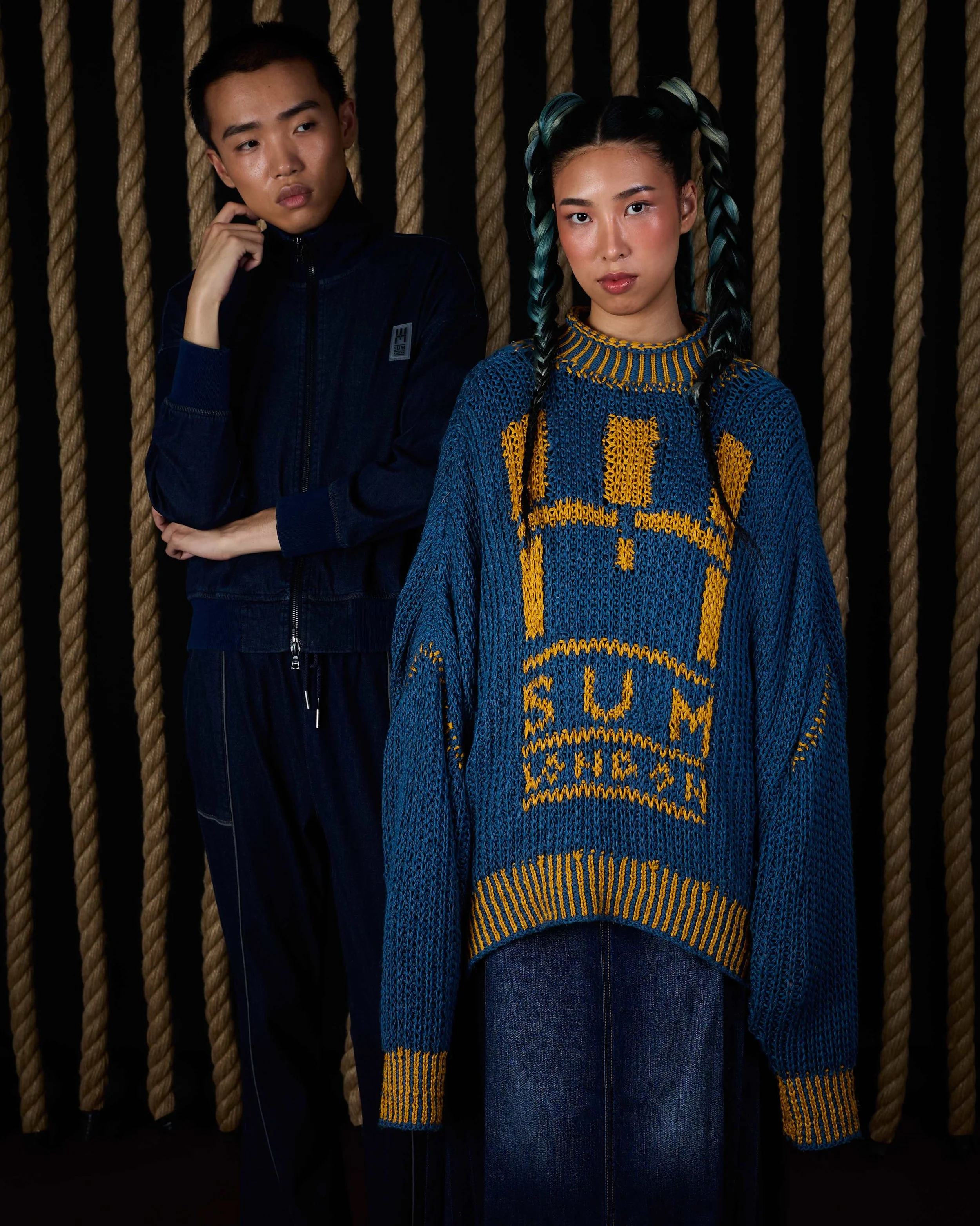
By combining traditional navalwear, thoughtful storytelling about identity, and sustainable values, SUM LONDON’S new workwear capsule collection proves that style, cultural preservation, and environmental responsibility can work together through every stitch.
HOW DO YOU FEEL ABOUT FASHION?
COMMENT OR TAKE OUR PAGE READER SURVEY
Featured





For decades, luxury in the automotive world was defined by materials, craftsmanship and engineering excellence.