
Storage & Longevity: How to Keep Your Wig Looking New for Years
PAGE
By PAGE Editor
A great wig is an investment—of money, time, and confidence. With the right care and storage, you can keep fibers smooth, lace intact, and shape crisp for years. Whether you wear a sleek bob wig human hair daily or reserve a luminous blonde wig human hair for special occasions, consistency in maintenance is the difference between “good” and “still looks brand new.”
Clean at the Right Rhythm
Wash when needed, not by the calendar. Product buildup dulls movement and attracts dust, but overwashing dries out strands and loosens knots. For human hair units, cleanse every 8–12 wears or when you notice residue at the crown. Use a sulfate-free shampoo, focusing on the cap and lace where oils accumulate. Always detangle before washing to prevent tightening knots mid-cleanse.
Detangle with Strategy
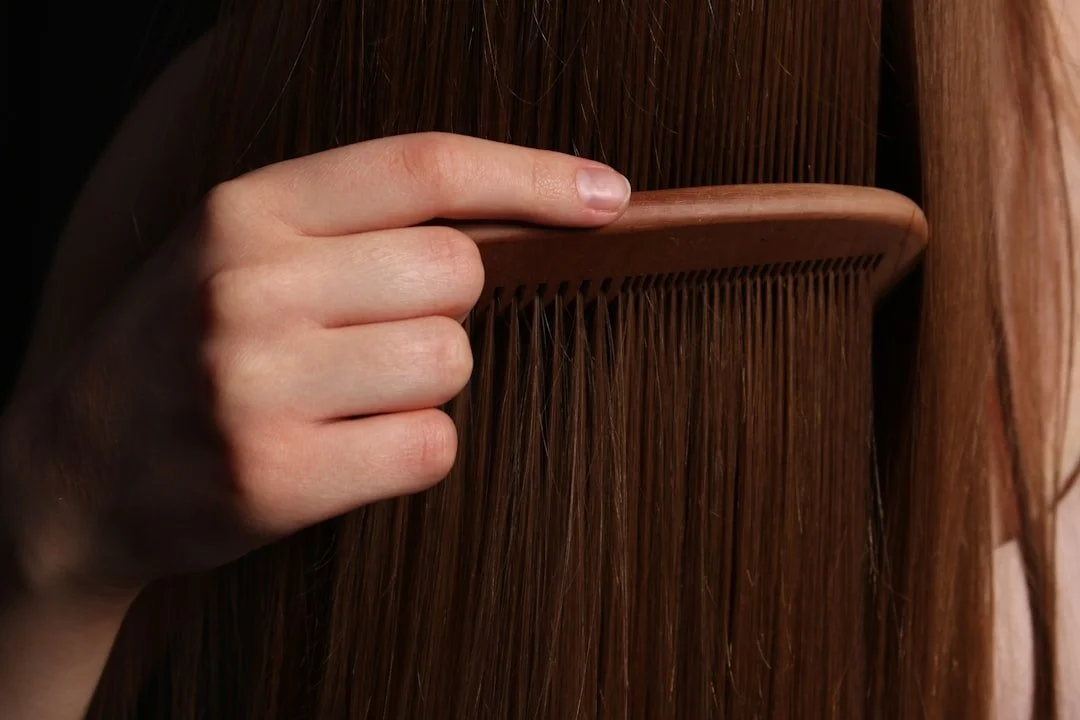
Work from ends to roots with a wide-tooth comb or detangling brush. Hold each section to anchor tension away from the lace and wefts. On curly or wavy textures, finger-detangle first to maintain pattern; then refine lightly with a comb. Mist with a slip-enhancing leave-in—less friction equals fewer broken hairs and longer life.
Drying: Shape Is Set When Hair Is Wet
After rinsing, blot with a microfiber towel (no rubbing) and place the wig on a stand to air-dry. For straight looks and precise cuts—like a bob wig human hair—align the part and smooth the perimeter while damp so it dries in the correct silhouette. If you must use heat, apply protectant and keep temperatures moderate. Excess heat degrades cuticles and shortens lifespan.
Product Discipline
Lightweight, targeted products preserve the hair’s natural movement:
Serum on the ends only for shine and frizz control
Thermal protectant before any hot tool use
Lightweight mousse to revive waves without stiffness Avoid heavy oils at the roots; they seep into knots and can loosen ventilation over time. On lighter shades, like a blonde wig human hair, skip yellowing agents—choose clear or purple-toned care when needed to maintain brightness.
Lace and Hairline Care
Your lace is precious. Clean adhesive gently with a lace-safe remover and a lint-free cloth—no harsh tugging. Let the skin rest between installs. To prevent shedding along the front, avoid scraping with combs or overplucking. For daily wearers, rotate units so the same lace isn’t stressed every day.
The Only List You Need: Storage Essentials
Choose the right stand: a ventilated wig stand or canvas block keeps shape and airflow; avoid tight hooks that crease the cap.
Control climate: store in a cool, dry place away from direct sunlight to prevent color fade—crucial for any blonde wig human hair.
Cover wisely: use a satin bag or hairnet to prevent dust and friction while allowing breathability.
Maintain form: for sleek cuts like a bob wig human hair, pin lightly at the crown and nape to preserve the contour.
Travel smart: pack in a hard case or structured box; secure the part with a tissue barrier and use a net to hold style in place.
Rotation Extends Lifespan
If you wear wigs daily, a two- or three-unit rotation cuts down on repetitive stress and gives each piece time to dry and recover between wears. Alternate textures too—switching between straight and wavy reduces the need for frequent heat restyling on any single unit.
Nighttime Routine
If you remove your wig at night, store it on a stand immediately; don’t toss it on a chair where fibers can kink. If you sleep in it, switch to a satin pillowcase and loosely braid longer lengths to prevent friction. For short styles, gently wrap with a satin scarf to keep the nape flat and ends tucked.
Shape Preservation for Signature Styles
Precision cuts remember bad habits. For a bob wig human hair, avoid collars and rough sweater fabrics that rub at the ends; this is a common cause of fraying and flipped tips. Rest the hair evenly on the shoulders when seated, and use a paddle brush to realign the perimeter after wear. For layered, highlighted pieces—especially a blonde wig human hair—use a UV-filtering spray before outdoor events to protect tone and prevent dryness.
Periodic Deep Care
Every few months, schedule a restorative session: clarify lightly to remove buildup, follow with a hydrating mask focused on mid-lengths and ends, and seal with a small amount of leave-in. Check wefts and lace for loose threads; secure with a few careful stitches or visit a professional for reinforcement. Small fixes now prevent bigger repairs later.
Red Flags to Address Early
Persistent tangling at the nape, dullness that returns quickly after washing, or shedding concentrated along the parting line indicate either product overload, heat damage, or lace stress. Respond by resetting: clarify, cut back on heat, and adjust install methods to reduce tension.
Longevity Mindset
Think “minimal stress, maximal protection.” Handle the wig by the ear tabs or cap, not the lace. Keep tools clean. Protect from sun, friction, and excess heat. With a measured routine and thoughtful storage, your unit maintains luster, movement, and shape well beyond a single season—delivering that out-of-the-box feel with every wear, from the sleek precision of a bob wig human hair to the luminous sophistication of a blonde wig human hair.
HOW DO YOU FEEL ABOUT FASHION?
COMMENT OR TAKE OUR PAGE READER SURVEY
Featured





KANE Footwear expands its sustainable recovery portfolio with the Revive OB, an open-backed performance shoe engineered from Brazilian sugarcane-based foam to deliver hands-free convenience, biomechanical support and lower-impact manufacturing.