
Streetwear Isn’t Just Worn Anymore. It’s Written.
PAGE
By PAGE Editor
Streetwear has always been a conversation. A hoodie that sits just right, a tee that feels like it has history, a small embroidered detail that only the right people notice. For years, the signals were mostly about access. The rare pair, the sold out drop, the logo that proved you were tapped in.
Lately, the energy has shifted. The point is not always what you bought, it is what you shaped. The piece that looks like it came from your world, not from a trend cycle. Custom clothing, once boxed into team wear and corporate uniforms, has slid into street style in a more personal way. In creative cities where people bounce between music, design, photography, and nightlife, clothes act like a quiet introduction. Not loud, just specific.
The New Status Symbol Is Specificity
Some of the best streetwear right now feels personal in a way you cannot fake. It is not just good taste, it is taste with fingerprints.
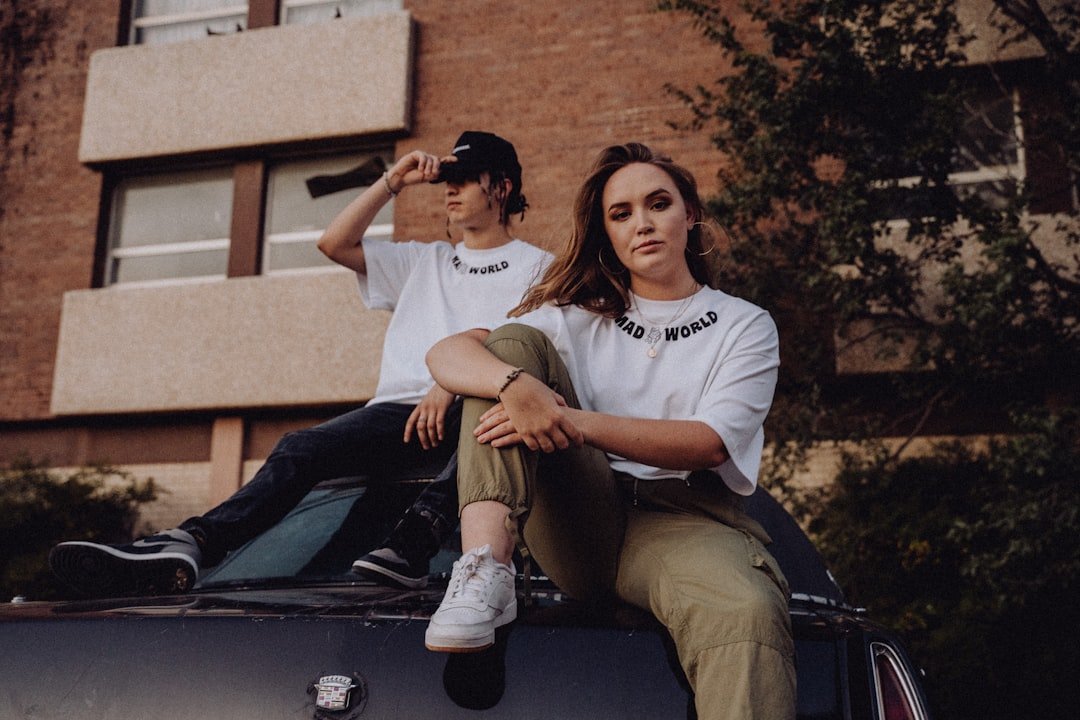
That is why customized pieces are showing up everywhere inside creative circles. A heavyweight hoodie with a small left chest stitch feels calm but intentional. A tee with a slightly off center print feels like it came from a real place, like a venue table or a friend’s studio run. Even when the design is simple, the feeling is the same. It looks chosen, not default.
People are also tired of looking like everyone else. We have watched the same outfits get repeated through feeds until they lose their bite. Custom pieces bring back the feeling of discovery, the kind that makes you want to ask someone where they got it, or who made it.
Merch Became a Language
Merch used to be a souvenir. You bought it because you were there. Now it is often part of the main story.
Musicians understand this instinctively because a tour hoodie is a memory you can wear. But the same shift is happening with small labels, creative collectives, pop ups, and micro brands that might only exist for a season. Clothing becomes a way to build a world around an idea, even if that idea is just a mood and a name.
This is where custom runs matter. When a crew can design a piece, produce a small batch, and move it through their own community, the garment carries more than a graphic. It carries context. You see it in the details too, like neck prints, sleeve hits, stitched marks, and tags that feel like part of the narrative.
The Pieces Doing the Heavy Lifting
Certain silhouettes keep leading the movement because they make sense in real life. They are comfortable, they layer well, and they hold both print and embroidery without feeling hard.
Custom hoodies have become the modern uniform. You can wear one to a studio session, a late night food run, a gig, or a Sunday morning coffee. They can be oversized and soft or structured and heavy, and either way they read as intentional.
Graphic tees are still the quickest way to say something. Typography, illustration, inside jokes, references, slogans that feel closer to poetry than branding. A tee can be loud or minimal, but it is always a canvas.
Then there are embroidered pieces, which feel more permanent. Caps, jackets, crewnecks, and work shirts. Embroidery sits differently on the body. It is quieter, textured, and it ages in a way print does not. That subtlety is part of why it feels elevated in street style right now.
Limited run drops tie it all together. Small batches keep things from feeling overdone. They also raise the stakes in a good way, because every choice matters when you are not hiding behind volume.
Local Scenes Are Driving the Shift
Streetwear is global, but it always hits different when it comes from a local scene. The best style cities have their own rhythm, their own references, their own way of wearing basics.
Melbourne is a good example of how personalized apparel has become normal inside creative communities, from event tees and studio uniforms to small capsule drops that feel tied to a time and place. You see it in the way crews treat clothing like a shared language, and in the way small runs circulate through friends first, then wider circles.
A big part of this comes down to the ecosystem. Designers, artists, printers, and stylists overlap, and the process is often hands on. When garments are made through local apparel studios, the result tends to feel more lived in and more specific, even when the design is understated. There is a difference between something made to sell to everyone and something made to speak to someone.
That behind the scenes layer matters too, the small print rooms and production spaces that help ideas become actual pieces. It is easy to see why custom clothing Melbourne has become part of the conversation, because the city’s streetwear scene leans heavily on that ability to turn a concept into a limited run you can actually wear.
Custom Clothing as Identity, Not a Gimmick
This is not about everyone starting a brand. Most people do not want that pressure, and they should not have to. It is more that everyone already has a point of view. Everyone is collecting references, building a personal archive, choosing what feels like them. Custom clothing simply makes that visible.
The most interesting pieces are not always the most expensive. They are the ones that feel like they belong to someone, like they came from a night out, a project, a studio season, a group chat, a specific era of a person’s life.
That is why the intersection of streetwear, personal branding, and custom garments feels so real right now. It is not driven by hype as much as identity. It is not about dressing like culture, it is about shaping it in small, wearable ways.
HOW DO YOU FEEL ABOUT FASHION?
COMMENT OR TAKE OUR PAGE READER SURVEY
Featured



As fashion faces mounting regulatory demands and data overload, the 25-year-old bluesign system is emerging as the industry’s foundational infrastructure by providing the verified, process-level data that today’s traceability platforms and digital product passports depend on.