
Sudden Hair Loss in Women Causes and Solutions
PAGE
By PAGE Editor
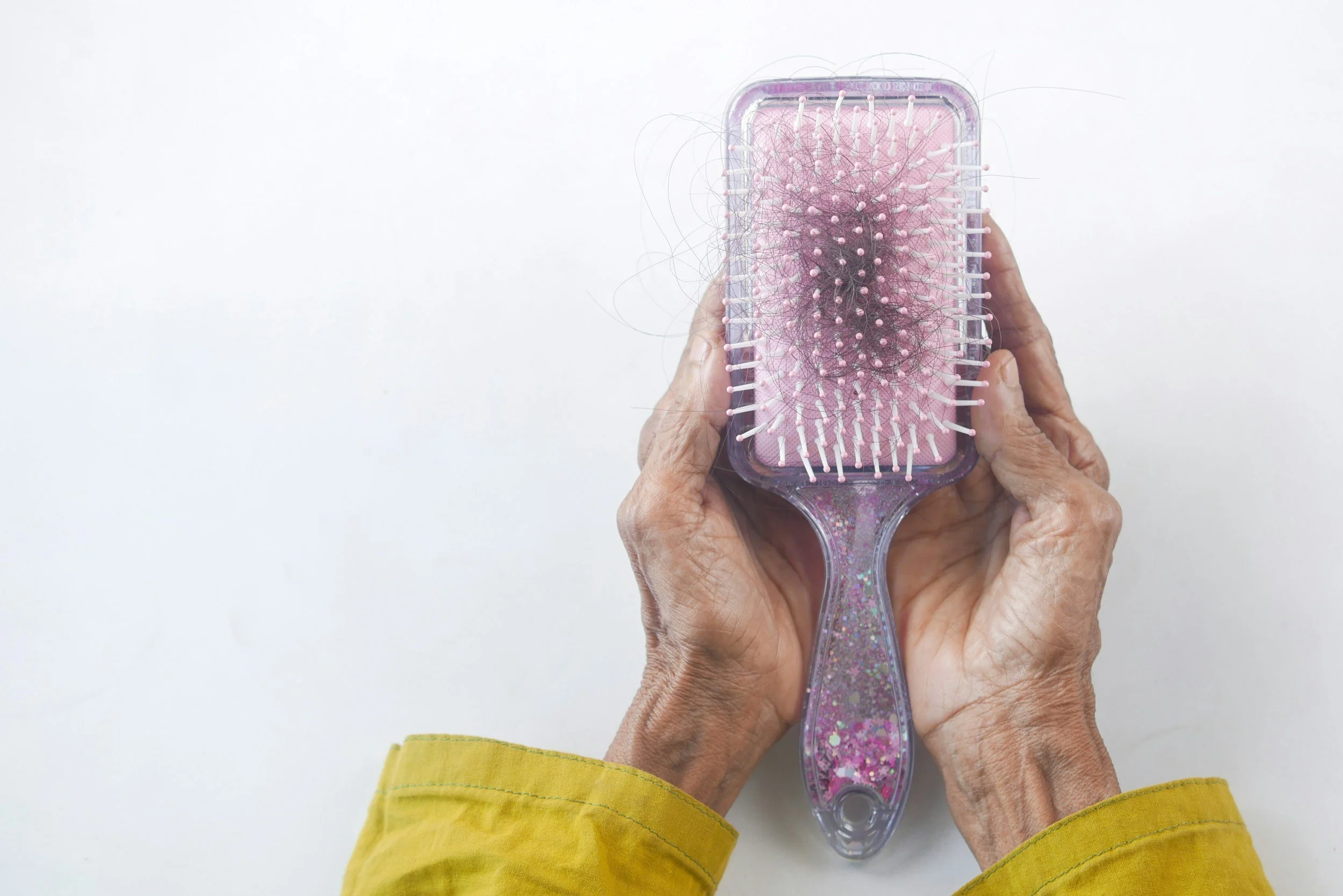
Sudden hair loss in women can be alarming and emotionally distressing, especially when it happens without warning. Unlike gradual thinning, rapid hair shedding often signals an underlying issue that requires attention rather than cosmetic fixes alone.
Understanding the causes and available solutions can help women take timely action and regain confidence in their hair health.
Common Causes of Sudden Hair Loss in Women
Sudden hair loss in women is often linked to internal changes or external stressors that disrupt the natural hair growth cycle. Many women experience rapid shedding due to identifiable triggers rather than permanent hair loss conditions, and treatments such as PRP hair treatment at Rejuvence Clinic can help support healthy hair regrowth.
Some of the most common causes include:
Physical or emotional stress
Hormonal imbalances
Nutritional deficiencies
Medical conditions or medications
Scalp health issues
Hormonal and Health Related Triggers of Sudden Hair Loss
Hormones and overall health play a major role in regulating hair growth, and even short term disruptions can lead to noticeable shedding. Identifying the root cause is essential before choosing the right treatment approach.
1. Hormonal Fluctuations and Hair Shedding
Changes in hormone levels can push hair follicles into a resting phase, leading to sudden shedding. This is commonly seen after pregnancy, during perimenopause, or following changes in contraception. Hair loss linked to hormonal shifts is often reversible once balance is restored.
2. Stress Related Hair Loss in Women
Severe stress can trigger a condition known as telogen effluvium, where hair falls out in larger than normal amounts. Emotional stress, illness, surgery, or major life changes can all contribute. Hair typically begins to regrow once stress levels are reduced.
3. Thyroid Disorders and Hair Loss
Both underactive and overactive thyroid conditions can cause sudden hair thinning. Hair may become dry, brittle, or fall out in clumps. Proper diagnosis and medical management are essential for recovery.
4. Nutritional Deficiencies and Sudden Hair Loss
Low levels of iron, vitamin D, zinc, or protein can weaken hair follicles. Women with restrictive diets or absorption issues are particularly at risk. Correcting deficiencies often leads to noticeable improvement within months.
5. Medication and Medical Treatment Effects
Certain medications can cause sudden hair loss as a side effect. These may include treatments for blood pressure, mental health conditions, or autoimmune disorders. Hair loss often improves after medication adjustments under medical guidance.
6. Scalp Conditions and Inflammation
Inflammation or infection of the scalp can disrupt hair growth. Conditions such as psoriasis, dermatitis, or fungal infections can cause shedding if left untreated. Early treatment helps protect hair follicles and prevent long term damage.
Solutions for Sudden Hair Loss in Women
Addressing sudden hair loss requires a tailored approach that targets the underlying cause rather than masking the symptoms. Many women benefit from professional assessment and personalised treatment plans.
1. Medical Assessment and Diagnosis
A thorough consultation helps identify the exact cause of hair loss. Blood tests, scalp examination, and medical history review are often required. Accurate diagnosis ensures that treatment is both safe and effective.
2. Lifestyle and Stress Management
Reducing stress plays a vital role in restoring normal hair growth. Adequate sleep, balanced nutrition, and stress reduction techniques support the hair cycle. Improvements may take time but are often sustainable.
3. Nutritional Support and Supplements
Correcting deficiencies can significantly improve hair quality and reduce shedding. Supplements should be taken based on professional advice rather than guesswork. Over supplementation can be harmful if not monitored properly.
4. Topical and Medical Treatments
Some women benefit from topical solutions that support hair regrowth and scalp health. These treatments work best when combined with lifestyle adjustments. Consistency is key to achieving visible results.
5. Advanced Regenerative Treatments
Modern regenerative therapies have shown promise in supporting hair regrowth. Women experiencing persistent shedding may benefit from professional care at Rejuvence Clinic, where tailored treatment plans focus on restoring hair density and scalp health.
Additional Benefits of Early Treatment for Sudden Hair Loss
Early intervention not only improves hair regrowth outcomes but also helps prevent emotional distress and long term thinning. Taking action quickly can make a significant difference in overall results.
Improved Hair Regrowth Potential
Hair follicles are more responsive when treatment begins early. Prompt care increases the likelihood of full recovery. Delayed treatment may reduce effectiveness.
Reduced Risk of Chronic Hair Thinning
Untreated shedding can sometimes progress into chronic thinning. Early diagnosis helps prevent long term damage. This is especially important for women with genetic predispositions.
Better Scalp Health
Treating the scalp improves the environment for healthy hair growth. Reduced inflammation supports stronger follicles. Scalp health is often overlooked but essential.
Emotional Wellbeing and Confidence
Hair loss can affect self esteem and emotional health. Addressing the issue early helps restore confidence. Feeling in control of treatment options reduces anxiety.
More Targeted Treatment Options
Early assessment allows for more conservative and effective treatments. Advanced interventions may be avoided if simpler solutions work. This leads to better overall satisfaction.
Long Term Hair Maintenance Planning
Understanding the cause of hair loss helps women plan for long term hair care. Maintenance strategies can be adjusted over time. This proactive approach supports lasting results.
What to Expect During Recovery and Regrowth
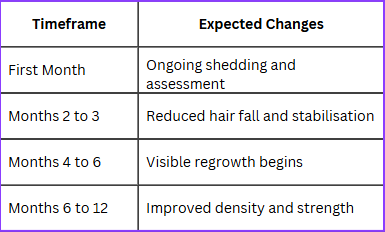
Hair regrowth after sudden shedding takes time and patience. Understanding the timeline helps set realistic expectations.
Typical recovery milestones include:
Reduced shedding within three to four months
Early regrowth signs around three months
Noticeable improvement by six months
Continued strengthening over twelve months
Typical Timeline for Recovery From Sudden Hair Loss
Conclusion
Sudden hair loss in women can feel overwhelming, but it is often reversible with the right approach. Identifying the cause and choosing evidence based solutions are key to restoring healthy hair growth. With professional guidance, lifestyle adjustments, and targeted treatments, many women successfully regain both their hair and their confidence.
HOW DO YOU FEEL ABOUT FASHION?
COMMENT OR TAKE OUR PAGE READER SURVEY
Featured




People sometimes arrive for their first appointment with hope and apprehension.