
The Causes of Head-On Collisions and Tips to Deal with the Aftermath

PAGE
By PAGE Editor
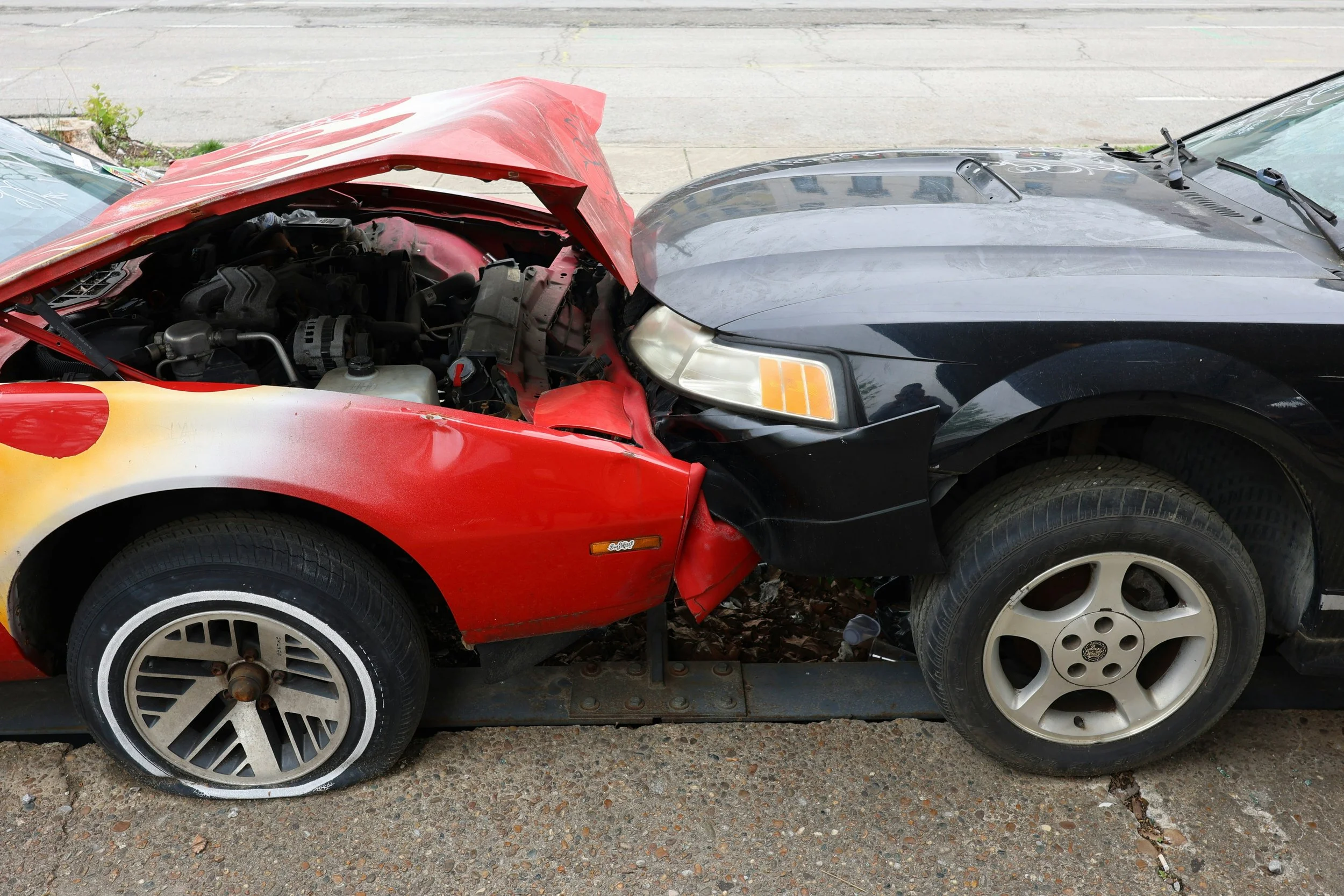
Head-on collisions strike without warning, leaving behind shattered lives, wrecked vehicles, and urgent questions. In just seconds, lives change forever, forcing victims and families into a whirlwind of pain, confusion, and legal decisions. Each moment following such an accident requires clarity and quick action.
The experienced lawyers at Nicoletti Accident Injury Lawyers step into this chaos, helping victims pursue justice while focusing on their recovery. In this piece, we break down the leading causes of head-on collisions and offer practical tips to handle the aftermath with clarity and confidence, empowering you to take informed steps toward recovery and legal resolution.
1. Wrong-Way Driving
Drivers who enter a lane or roadway from the wrong direction cause head-on collisions. Confusion at poorly marked junctions or misjudgment during U-turns increases the risk. Tiredness, intoxication, or disorientation often plays a role in these situations.
2. Distracted Driving
When drivers take their eyes off the road, even for a few seconds, they lose control over lane discipline. Looking at a phone, adjusting a GPS, or eating behind the wheel pulls attention away. One brief distraction leads to veering into oncoming traffic.
3. Speeding Around Curves or in Low Visibility
Sharp turns, hills, or poorly lit roads make it difficult to see vehicles approaching from the opposite direction. Drivers who speed through these areas lack the reaction time to avoid a direct hit when another car appears.
4. Impaired Driving
Alcohol or drug use impairs reaction time, judgment, and motor control. An impaired driver drifts across lanes or misjudges distance, setting the stage for a head-on collision.
5. Overtaking Without a Clear View
Trying to overtake a particular vehicle on a two-lane road without enough space or visibility often leads to tragic outcomes. Oncoming traffic may appear sooner than expected, giving neither driver time to avoid impact.
6. Fatigue
Exhausted drivers lose focus and sometimes fall asleep while behind the wheel. A moment of microsleep leads a vehicle to drift over the center line and into an oncoming lane.
Tips to Deal with the Aftermath
1. Prioritize Safety
If possible, move to a safe location, switch on hazard lights, and avoid traffic. Help others only if it doesn't increase risk.
2. Call Emergency Services
Report the accident immediately. Request police and medical help, even if injuries seem minor. Trained responders assess the situation faster and ensure accurate records.
3. Document the Scene
Use your phone to take photos and videos of the crash site. Include vehicle positions, road conditions, skid marks, and license plates. These images support future claims or legal action.
4. Exchange Information
Collect everyone's names, contact details, and insurance information. Note the time, location, and weather conditions.
5. Avoid Admitting Fault
Remain calm and factual when speaking. Do not guess, apologize, or claim blame. Let investigators determine the cause through evidence.
6. Seek Medical Attention
Even without visible injuries, visit a doctor. Symptoms such as headaches, dizziness, or pain often appear hours or days later. A prompt exam supports your health and future claims.
7. Follow Through on All Records
Keep copies of police reports, medical records, receipts, and all correspondence. This documentation builds a solid foundation if legal or insurance matters arise.
Conclusion
Head-on collisions leave a lasting impact physically, emotionally, and financially. Drivers prevent these accidents through caution, attention, and responsible behavior. After an accident, swift decisions protect both health and rights. With focus and the proper steps, victims move from chaos toward control.
HOW DO YOU FEEL ABOUT FASHION?
COMMENT OR TAKE OUR PAGE READER SURVEY
Featured



People sometimes arrive for their first appointment with hope and apprehension.