
The Changing Role of Dentistry in Everyday Health
PAGE
By PAGE Editor
Dentistry has gradually come to be recognized as an essential component of overall health rather than a separate concern limited to the teeth. Oral health influences nutrition, communication, confidence, and even long-term medical outcomes. Regular dental care supports comfortable eating, clear speech, and a sense of self-assurance in social settings. Over time, dental practices have adapted to reflect these broader connections, focusing on prevention, education, and patient comfort. Modern dentistry emphasizes maintaining healthy routines and addressing issues early, helping individuals integrate oral care into daily life while supporting long-term well-being and a healthier relationship with personal healthcare.
Oral Care as Part of Whole-Body Wellness
1. Building Trust Through Patient-Centered Dental Care
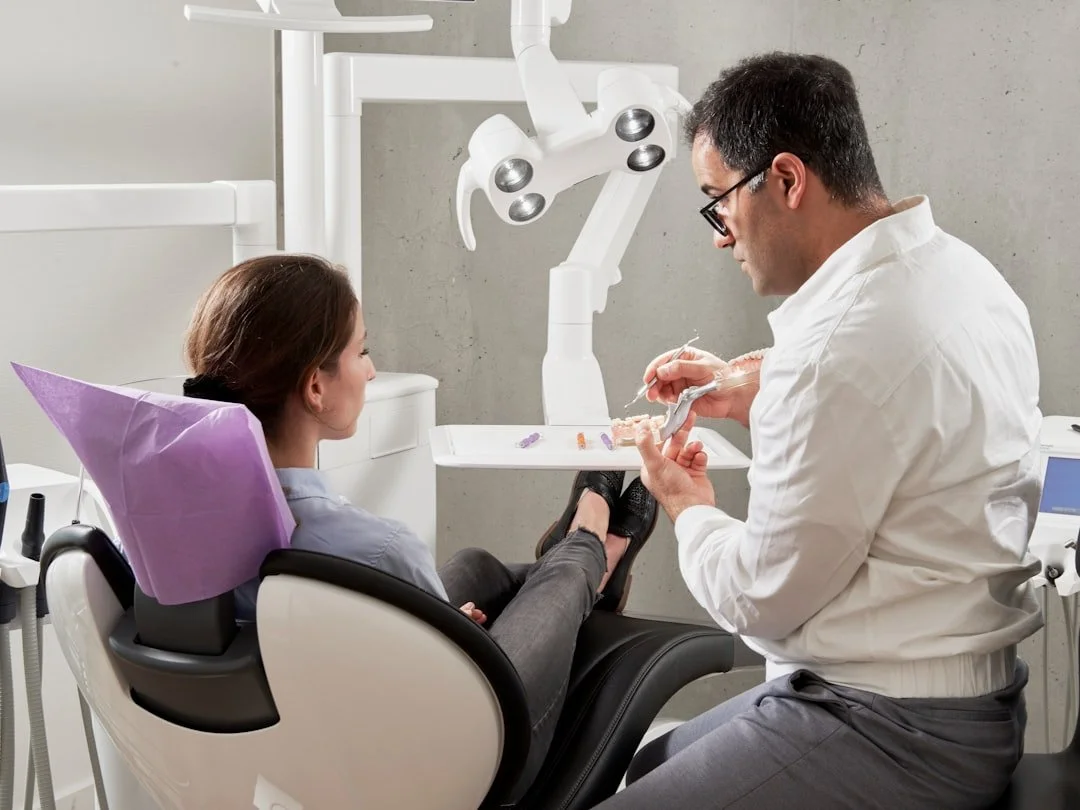
A strong relationship between dentist and patient is built on communication, understanding, and trust. Many people approach dental visits with anxiety shaped by past experiences or uncertainty. Patient-centered care focuses on listening carefully, explaining procedures clearly, and respecting individual comfort levels. When patients feel informed and heard, dental appointments become more approachable and productive. This approach encourages consistency in care, which is essential for maintaining oral health over time. For those beginning a new routine, clear guidance and reassurance help patients get started with confidence, transforming dental visits from stressful obligations into supportive health check-ins that align with personal wellness goals.
2. Preventive Dentistry and Long-Term Oral Stability
Preventive care plays a central role in maintaining oral health and avoiding complex issues later in life. Routine examinations, cleanings, and early assessments help identify changes before discomfort or damage develops. Preventive dentistry emphasizes habits that protect enamel, gums, and overall oral balance. This proactive approach supports long-term stability by reducing the likelihood of extensive treatments. Education is also essential, as patients who understand proper oral hygiene techniques and dietary effects are better equipped to care for their teeth daily. Over time, preventive care fosters a sense of control and confidence, reinforcing the value of regular dental visits as part of a sustainable health routine.
3. The Connection Between Oral Health and Daily Life
Oral health influences daily life in subtle but meaningful ways. Comfortable chewing supports proper nutrition, while a healthy smile contributes to confidence in professional and social interactions. Dental discomfort, even when mild, can affect concentration, sleep, and mood. Dentistry addresses these quality-of-life factors by maintaining comfort and function. As awareness grows, patients increasingly recognize that oral care supports broader wellness rather than functioning in isolation. This perspective encourages individuals to prioritize dental health as part of self-care. By addressing oral concerns early and consistently, dentistry helps people maintain energy, comfort, and engagement in everyday activities.
4. Technology and Its Role in Modern Dental Practices
Advancements in dental technology have improved precision, comfort, and efficiency in clinical practice. Digital imaging, refined tools, and improved materials allow for clearer assessments and more predictable outcomes. These innovations support accurate diagnosis while minimizing procedural discomfort. Technology also enhances communication, enabling dentists to explain findings visually and involve patients in decision-making. As a result, dental care feels more transparent and collaborative. The thoughtful use of technology supports consistency and reliability, allowing practices to focus on patient experience while maintaining high standards of care through modern tools and methods.
5. Education as a Foundation for Lifelong Oral Care
Education is a cornerstone of effective dentistry, empowering patients to take an active role in their oral health. Clear explanations about hygiene practices, lifestyle factors, and treatment options help individuals make informed choices. When patients understand how daily habits affect their teeth and gums, they are more likely to maintain healthy routines. Educational conversations also demystify dental procedures, reducing anxiety and uncertainty. This shared understanding fosters cooperation between the patient and the dentist, thereby strengthening outcomes over time. Education transforms dental visits into opportunities for learning, reinforcing oral care as a continuous process rather than an occasional intervention.
6. Adapting Dental Care to Changing Needs
Dental needs evolve with age, lifestyle changes, and health conditions. Dentistry adapts by offering flexible approaches that address these shifts without disrupting continuity of care. Preventive priorities may change, and treatment plans are adjusted to reflect current circumstances. This adaptability ensures that dental care remains relevant and supportive throughout different life stages. By acknowledging change as a natural part of health, dentistry supports long-term engagement rather than rigid routines. Patients benefit from care that grows with them, maintaining comfort and function while responding thoughtfully to new challenges and goals.
Dentistry plays an important role in supporting comfort, confidence, and overall wellness throughout life. Through preventive care, patient-centered communication, education, and adaptability, dental practices help individuals maintain healthy routines and address concerns early. As understanding of oral health’s broader impact continues to grow, dentistry stands as a partner in long-term well-being rather than a reactive service. By encouraging consistency and informed participation, dental care supports daily life in meaningful ways. A thoughtful approach to dentistry helps people maintain not only healthy smiles but also a stronger connection to their overall health and quality of life.
HOW DO YOU FEEL ABOUT FASHION?
COMMENT OR TAKE OUR PAGE READER SURVEY
Featured




People sometimes arrive for their first appointment with hope and apprehension.