
The Risks of Purchasing Designer Bags Without Trusted Verification
PAGE
By PAGE Editor
In recent years, the online market for pre-owned luxury goods has exploded in size and scope. Platforms and social media marketplaces now offer unprecedented access to rare and sought-after designer bags, creating opportunities for buyers around the world to find collectible pieces from iconic fashion houses. However, ease of access doesn’t always equate to safety or certainty of quality. As this market grows, so too does the sophistication of counterfeit goods and deceptive sellers, making it increasingly difficult for the average shopper to confidently identify which products are genuine and which are not.
Why Verification Matters in a Growing Luxury Resale Market
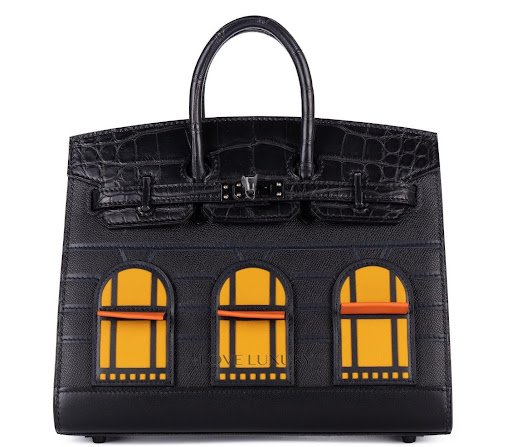
One of the central reasons many buyers now seek an expert review, such as a Hermes Authentication Service, before committing to purchase is because counterfeiters have become more adept at mimicking the look of genuine products. Without recognized verification, even experienced shoppers can be misled into believing a counterfeit item is authentic. According to industry discussions, these “superfakes” often appear convincing in photos and descriptions, especially when they are presented on unregulated platforms without quality checks.
The Allure of Luxury and the Price of Mistakes
Authentic designer handbags, especially those from premium brands—hold not just aesthetic appeal but also financial value. Some rare pieces can appreciate in value over time, making them attractive investments. This investment angle further fuels demand on secondary marketplaces where rare bags can sometimes be found at below-retail prices.
Unfortunately, this combination of high demand and financial allure makes luxury handbags a prime target for counterfeiters. Replica manufacturers are now producing items that are visually convincing to untrained eyes, resulting in goods that closely resemble originals in appearance and design.
Deceptive Listings and Misrepresentation
One of the most common dangers of purchasing from unverified sellers is misrepresentation. Listings on social media marketplaces or lesser-regulated platforms often contain incomplete, edited, or stock photos that do not accurately reflect the actual condition or authenticity of the item. Sometimes sellers will even reuse images from other listings or make broad claims without proof.
Without a trusted verification process, buyers have no reliable way to confirm that what they see in a listing is what they will receive after payment. Vague descriptions such as “excellent condition” or “rare find” can mask hidden flaws, repairs, or outright counterfeits.
The Problem with “Too Good to Be True” Prices
It’s a familiar warning in consumer culture: if a price seems too good to be true, it probably is. In the luxury resale market, scammers exploit this principle by advertising high-end bags at steep discounts to lure buyers into quick purchases without proper due diligence.
These listings often target buyers’ desire for a bargain, but they can result in a complete loss of funds if the item turns out to be fake or never arrives. Some fraudulent sellers disappear entirely after receiving payment, leaving buyers with little recourse.
The Pervasiveness of Counterfeits in Online Channels
Counterfeiters don’t limit themselves to obscure forums or small shops. Even widely used social platforms and emerging marketplaces have become arenas for fake luxury goods. Through ads, influencer promotions, and private messages, counterfeit sellers are increasingly reaching broad audiences with anonymously posted products that mimic the look of authentic designer accessories. According to industry reporting, this widespread presence of fraudulent listings affects millions of resale transactions every year.
These fake items often lack verifiable identifiers such as consistent serial numbers, recognized craftsmanship details, or legitimate documentation—making them hard to detect for the average buyer.
Why Seller Claims Aren’t Enough
Many buyers assume that having a “certificate of authenticity” included with a purchase or a seller’s claim that an item is genuine ensures legitimacy. In reality, counterfeit certificates are also widely circulated online. Some sellers even forge documentation to reassure buyers and justify higher prices.
Because these documents are not tied to any centralized verification authority and can be easily falsified, they are often unreliable. A piece of paper claiming authenticity means little without the backing of a recognized expert or credible verification process.
Financial and Emotional Costs of Counterfeit Purchases
The financial implications of accidentally buying a fake luxury bag extend beyond simply losing the purchase price. Authentic pieces often hold value over time, allowing owners to resell or insure them. In contrast, counterfeit items have little to no resale value, leaving buyers without the opportunity to recoup any portion of their investment.
Beyond the financial loss, there’s an emotional cost. Part of the appeal of owning a luxury bag lies in the craftsmanship, heritage, and status associated with the brand. Discovering that a purchase isn’t genuine can be deeply disappointing, especially when the decision was made in good faith.
Beyond Money: Safety and Ethical Concerns
Counterfeit production often involves lower-quality materials and poor construction that can affect usability. Issues such as weak hardware, inconsistent stitching, and substandard leather are common in fake products. These not only compromise longevity but can also present practical problems in everyday use.
There are ethical considerations as well. The counterfeit industry often operates outside labor regulations, and the profits generated do not benefit the designers and craftspeople who created the original items. Buying unverified goods—especially from sellers that intentionally misrepresent products—can inadvertently support unethical practices.
Trusted Verification Offers Confidence
Amid these risks, a reliable verification process offers a way to reduce uncertainty and provide consumers with confidence when making significant purchases online. Professional authentication services review each item based on recognized brand standards, historical product knowledge, and comparative analysis, offering a level of assurance beyond what unverified listings can provide.
With professional evaluation, buyers receive an informed opinion backed by expertise rather than relying solely on photographs or seller assurances. This protects against counterfeit products and helps maintain trust and transparency within the broader resale market.
Peace of Mind for Today’s Luxury Buyer
In a digital age where online shopping is often the first choice for convenience, the risks associated with purchasing high-value items without trusted verification cannot be ignored. From deceptive listings to polished counterfeits and fake certificates, the potential for loss—both financial and emotional—is real.
For buyers who value authenticity, taking additional steps to confirm that a designer bag is genuine before completing a purchase offers clarity, confidence, and peace of mind. Investing in a knowledgeable expert review protects both current satisfaction and potential future value, ensuring that the excitement of owning a luxury piece isn’t overshadowed by regret.
HOW DO YOU FEEL ABOUT FASHION?
COMMENT OR TAKE OUR PAGE READER SURVEY
Featured




Moncler’s “Puffy Summer” reframes its iconic outerwear DNA into a lightweight, globally activated lifestyle proposition, signaling a strategic evolution from seasonal specialist to year-round cultural brand.