
VDraw’s AI Room Design: Making Decisions Before Regret Sets In
PAGE
By PAGE Editor
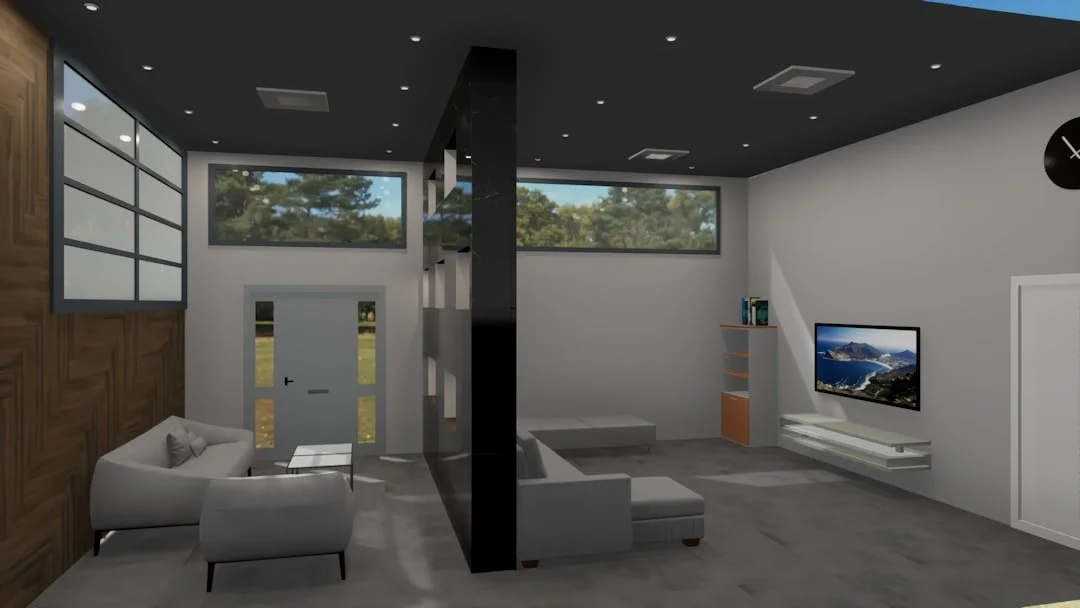
Most people do not struggle with having ideas for their home. They struggle with deciding which idea to trust. A sofa looks perfect online, a color feels right in theory, and a layout seems logical on paper—until reality pushes back. VDraw approaches this moment of hesitation directly, helping users see consequences early instead of fixing mistakes later.
Where Room Design Usually Goes Wrong
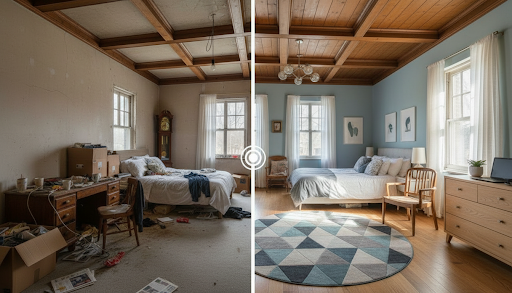
Room design rarely fails at the end. It fails quietly at the beginning, when assumptions go unchecked.
Choosing Based on Hope Instead of Evidence
People often move forward because something feels right, not because it has been tested. They picture how a room might look and fill in the gaps with optimism. When AI Room Design enters the process, that optimism meets visual proof. Ideas stop living in the head and start existing on the screen, where proportions, balance, and tension are harder to ignore.
Overconfidence in Reference Images
Scrolling through beautifully staged interiors creates confidence that does not belong to the space itself. Those images rarely share the same ceiling height, window placement, or lighting conditions. AI Room Design forces ideas to adapt to the real room instead of bending reality to match inspiration.
Delaying Visual Checks Until It’s Too Late
Many people wait until furniture arrives or walls are painted before realizing something feels off. At that point, fixing the problem costs money and energy. Early visualization shifts that moment forward, when changes are still easy to make.
How AI Room Design Changes the Way People Decide
The real impact of AI Room Design is not the image itself, but how it changes behavior during decision-making.
Comparing Options Without Emotional Commitment
Once money or effort is invested, people defend their choices. AI Room Design keeps options light. Users can compare layouts or styles without feeling attached, making it easier to reject ideas that do not work instead of forcing them to fit.
Noticing Problems Before They Become Annoyances
A room can look fine at first glance and still feel uncomfortable over time. Tight walkways, awkward focal points, or uneven visual weight become clearer when seen from multiple generated angles. AI Room Design helps surface these issues early, when irritation has not yet set in.
Letting the Room Push Back on Ideas
Good design often comes from friction. When an idea clashes with the space, the space should win. AI Room Design acts as that resistance, showing when a concept does not respect the room’s limits.
Everyday Scenarios Where AI Room Design Proves Useful
The value of AI Room Design becomes obvious when it fits into ordinary, imperfect situations.
Moving Into a Space That Feels Unfamiliar
New apartments and homes often feel larger or smaller than expected. AI Room Design allows users to test how familiar furniture or styles behave in an unfamiliar layout, reducing the guesswork that usually follows a move.
Living With Constraints Instead of Fighting Them
Not every room can be opened up or rebuilt. Structural columns, fixed windows, or low ceilings limit options. AI Room Design incorporates these constraints instead of ignoring them, helping users work with reality rather than against it.
Sharing Design Ideas With People Who See Differently
Room design decisions are rarely made alone. Partners, family members, or clients all bring different interpretations. AI Room Design creates a shared reference point, making discussions less abstract and disagreements easier to resolve.
From Static Rooms to Ongoing Visual Workflows
Room visuals often travel beyond personal planning and into broader content or presentation needs.
Refining Images Until They Feel Intentional
First outputs are rarely final. VDraw’s image editing tools allow users to adjust emphasis, clean distractions, or sharpen details. This step turns AI Room Design results into visuals that feel deliberate rather than experimental.
Reusing Video Content Without Visual Noise
Design presentations and social content often rely on reused footage. Watermarks can break immersion and weaken credibility. When cleanup is needed, VDraw’s Video Watermark Remover helps restore focus to the design itself without rebuilding the video from scratch.
Keeping Visual Decisions Consistent Over Time
Projects evolve. New visuals are added, old ones resurface. Using one platform for generation and refinement helps maintain consistency so AI Room Design outputs feel like part of the same visual story.
Learning Through Repetition Instead of Rules
Design intuition rarely comes from theory. It develops through exposure and adjustment.
Watching Cause and Effect Play Out Visually
Changing a color temperature or furniture scale affects the entire room. AI Room Design makes these relationships visible, allowing users to understand impact rather than memorize guidelines.
Trying Bold Ideas Without Paying for Them
People often avoid strong choices because failure feels expensive. AI Room Design removes that cost. Users can test extremes, see why they fail or succeed, and move on smarter than before.
Building Judgment Through Seeing, Not Studying
Over time, repeated interaction with room variations sharpens instinct. AI Room Design becomes a feedback loop that quietly improves decision quality without formal learning.
Why Original Room Visuals Matter for Content and Search
Room design visuals increasingly influence how content performs and how users engage.
Matching Visuals to the Exact Topic
Generic imagery weakens relevance. AI Room Design allows creators to generate visuals that directly support the subject being discussed, strengthening alignment with search intent.
Avoiding Repetition in Ongoing Publishing
Consistent publishing often leads to recycled visuals. AI Room Design supports variation without breaking theme, helping content remain fresh while staying coherent.
Improving Time-on-Page Through Visual Clarity
Users stay longer when they understand faster. Visual explanations built with AI Room Design reduce confusion and help readers grasp ideas without extra text.
Conclusion: Deciding Earlier, Fixing Less
VDraw’s AI Room Design does not promise perfect rooms. It promises fewer surprises. By shifting judgment earlier in the process, it helps people notice issues before they become regrets. Decisions feel calmer, revisions feel lighter, and rooms feel more intentional. In design, that shift often makes all the difference.
HOW DO YOU FEEL ABOUT FASHION?
COMMENT OR TAKE OUR PAGE READER SURVEY
Featured




People sometimes arrive for their first appointment with hope and apprehension.