
Why Green Buildings are the Future of Construction
PAGE
By PAGE Editor
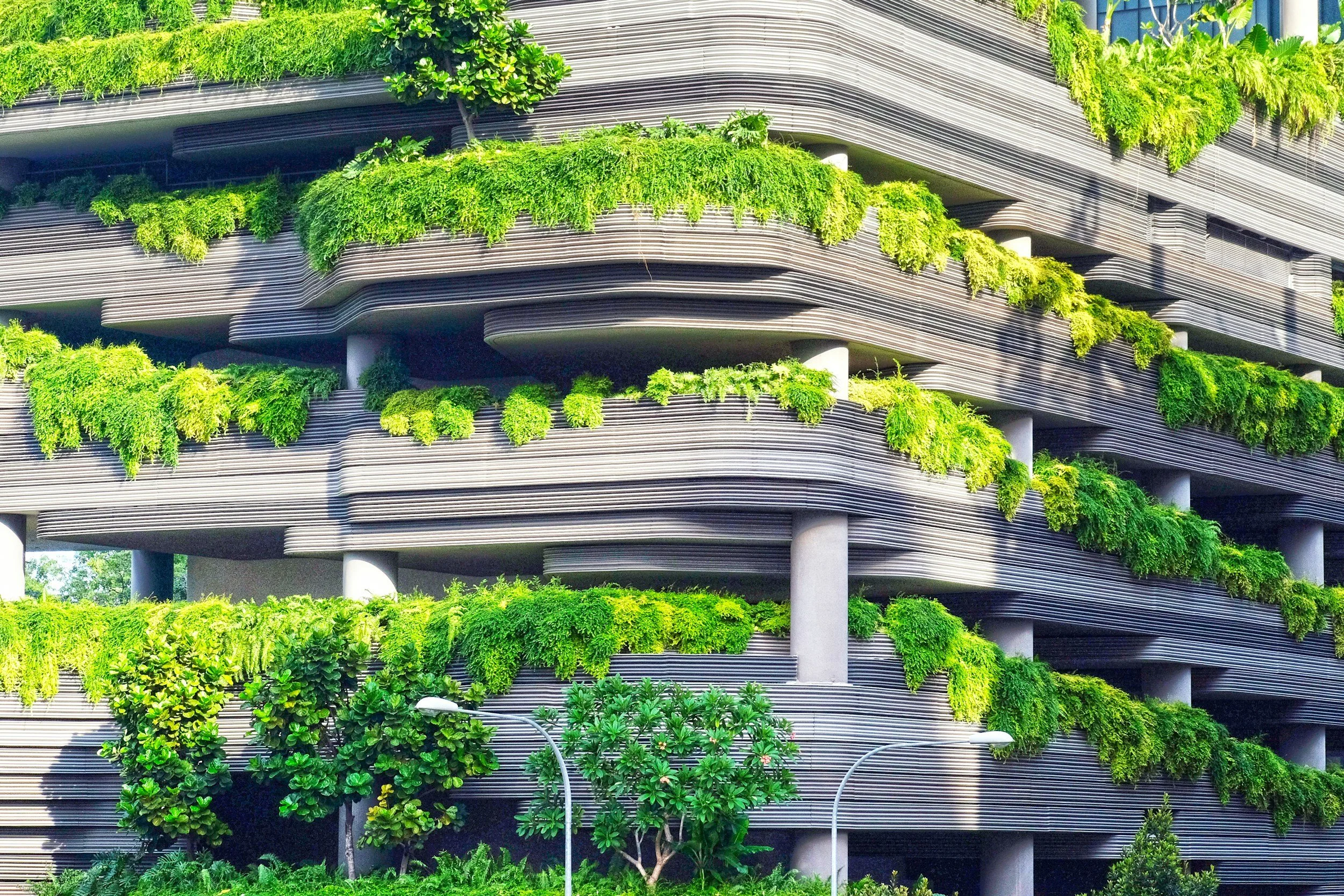
For years, we treated buildings like parking lots with roofs. You poured the slab, cranked up the air-con, and prayed nothing broke. That era is over, not just because it was trashing the planet, but because it was trashing budgets, too. Green building isn't a cause; it's a correction. We're finally asking our structures to earn their keep: to breathe, to adapt, and to give something back.
The Economic Argument: Lower Bills, Higher Value
The old assumption was that sustainability came with a premium, a luxury for high-end corporate campuses. That myth has collapsed. Green buildings now demonstrate a clear financial edge over their conventional counterparts, and the data is impossible to ignore.
Operational savings: Energy-efficient HVAC, LED lighting, and smart sensors routinely cut utility bills by 20–30%. For a large commercial building, this isn’t pocket change; it’s a line-item transformation.
Higher asset value: Buildings with LEED or BREEAM certification consistently command higher rents and sale prices. Tenants are willing to pay for lower utility costs and healthier environments, and investors are catching on.
Lower risk: As governments introduce stricter carbon regulations, inefficient buildings face the risk of becoming stranded assets. Retrofitting later is almost always more expensive than building right the first time.
Materials Are Changing: The Rise of Bio-Based Solutions
Perhaps the most exciting shift in construction is not about what we stop using, but what we are starting to use. For too long, we assumed that steel and concrete were the only ways to build tall and safe. Meanwhile, they account for nearly 15% of global carbon emissions. The solution is increasingly growing in forests. For example, engineered sustainable timber products like cross-laminated timber (CLT) are now competing with steel in terms of strength and fire safety. They are lighter, faster to install, and sequester carbon rather than emit it.
Hempcrete, mycelium composites, and bamboo are moving from experimental niches into real-world supply chains. These materials are renewable, biodegradable, and often perform better in terms of insulation and moisture regulation. Recycled steel and low-carbon concrete are bridging the gap for structural elements that still require mineral density.
Health and Productivity: Building for Humans
Green buildings were initially marketed as a favor to the planet. But the strongest sales pitch, it turns out, is what they do for the people inside them. We spend over 90% of our time indoors, yet we rarely question whether the air we breathe in office blocks or apartment towers is actually clean. The pandemic forced that conversation, and it isn’t going away.
Indoor air quality: Green buildings prioritize high-efficiency filtration, low-VOC materials, and passive ventilation. This translates to fewer sick days, lower rates of respiratory issues, and improved cognitive function.
Daylight and biophilia: Access to natural light and visual connections to nature aren’t aesthetic bonuses; they are neurological necessities. Studies consistently show that employees in well-lit, nature-integrated spaces report higher satisfaction and focus.
Thermal comfort: Smart building systems that adjust to occupancy patterns eliminate the old binary of freezing or sweating at your desk.
Resilience in an Unpredictable Climate
We used to design buildings for the climate of the past. That is no longer a safe bet. Wildfires, floods, heat domes, and power outages are no longer anomalies; they are recurring stressors on our infrastructure. The buildings of the future must be able to withstand shocks that their predecessors never faced.
Passive survivability: Green buildings are designed to maintain habitable temperatures even during power outages, through features like high-performance insulation, thermal mass, and strategic shading.
Water management: Rainwater harvesting, permeable surfaces, and stormwater retention systems reduce the strain on municipal systems and protect against flooding.
Distributed energy: On-site solar paired with battery storage allows buildings to island themselves from grid failures. This isn’t just green; it’s strategic.
Policy and Culture: The Tipping Point
The green building movement is no longer being driven solely by early adopters. The regulatory landscape has shifted, and with it, the baseline of what is considered acceptable construction.
Stricter codes: Major cities and entire nations are phasing out fossil fuels in new construction. The upcoming updates to building codes in places like the EU and California effectively mandate net-zero readiness.
Tenant demand: Large corporate tenants, particularly in tech and finance, are refusing to lease space in buildings with poor environmental ratings. Their own ESG commitments depend on it.
Workforce expectations: Young architects, engineers, and tradespeople want to work on projects they feel proud of. Firms that ignore sustainability are struggling to recruit top talent.
Buildings are never neutral. Every beam, every pane of glass, every vent is a vote for something. For decades, we voted for cheap and fast, and let tomorrow sort out the mess. That math no longer works. The future belongs to buildings that take less from the land, give more to the people inside them, and don't fold the moment the weather turns weird. We have the tools. We have the materials. We just need to decide to use them.
HOW DO YOU FEEL ABOUT FASHION?
COMMENT OR TAKE OUR PAGE READER SURVEY
Featured
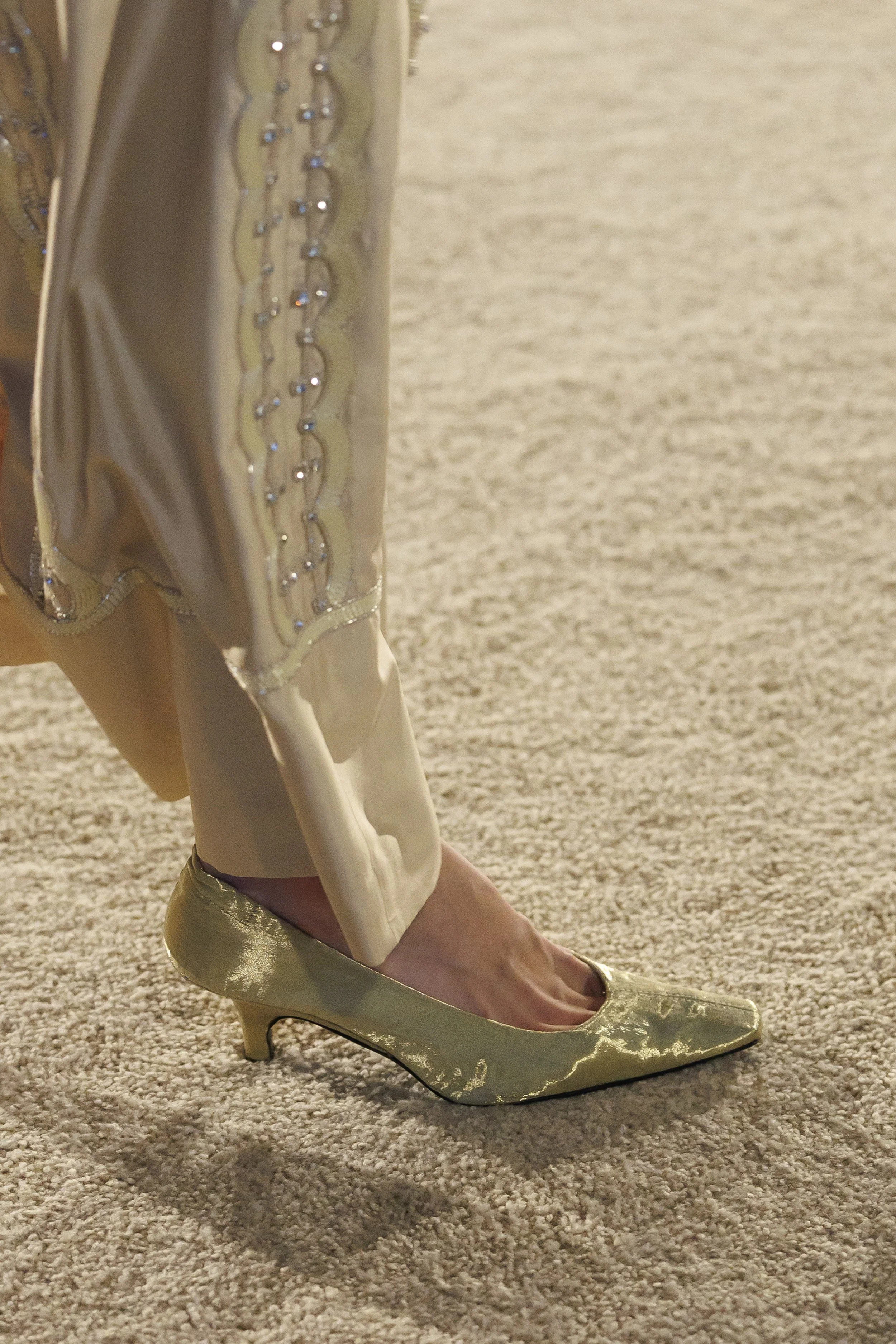




Libertine’s Fall/Winter 2026 collection transforms the grandeur and architectural precision of Sanssouci Palace into a richly embroidered, intellectually infused wardrobe that marries historical opulence with Hartig’s signature storytelling.