
Why People Prefer Rideshare Apps Over Traditional Taxis

PAGE
By PAGE Editor
Rideshare apps are often preferred over traditional taxis because they offer greater transparency, digital accountability, and more explicit legal protections. Many riders believe these platforms provide better trip documentation and easier access to records in the event of disputes or accidents.
In personal injury claims, documented evidence matters. Digital trip logs, GPS tracking, and in-app receipts often make it easier to establish timelines and liability compared to cash-based taxi rides. These legal advantages heavily influence consumer preference.
Safety questions frequently arise, particularly when comparing regulatory oversight and insurance coverage. So, are taxis safer than Uber? This article dives into how background checks, insurance policies, and state laws differ for rideshare drivers and traditional cab operators.
Legal Protection
Rideshare companies operate under state-specific Transportation Network Company (TNC) laws. These laws mandate certain stages of insurance coverage, such as coverage while a driver is using the app but hasn't accepted a ride.
Traditional taxis, by contrast, are regulated primarily through municipal ordinances. While taxi drivers often hold commercial licenses, liability standards can vary significantly between cities.
This layered legal structure gives rideshare passengers clearer insight into when insurance applies. During active trips, rideshare operators may have up to $1 million in liability coverage in various states.
Digital Documentation
Every rideshare trip generates an electronic trail. GPS routes, timestamps, and driver identification are automatically stored in the platform.
If an accident occurs, this data can support insurance claims or lawsuits. According to the National Highway Traffic Safety Administration (NHTSA), traffic fatalities remained above 40,000 annually between 2021 and 2023, highlighting the importance of reliable documentation after crashes.
Taxi rides may rely more heavily on driver-reported logs. Without automatic tracking, reconstructing events can be more challenging in contested cases.
Background Checks and Screening
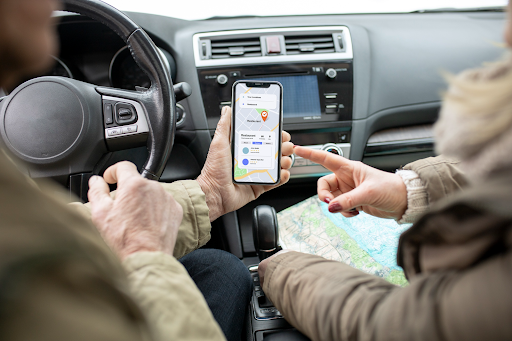
Most rideshare companies conduct third-party background checks before onboarding drivers. These screenings typically review criminal history and driving records.
Local licensing agencies handle taxi driver vetting. Some cities impose fingerprinting and in-person screening, while others follow more limited procedures.
Consumers often perceive app-based screening as more consistent across jurisdictions. Whether that perception matches legal reality depends on state law and enforcement practices.
Liability Frameworks and Insurance Coverage
Insurance structure is one of the most significant legal distinctions.
Rideshare coverage generally includes:
Contingent liability when logged in
Primary liability during active rides
Uninsured/underinsured motorist protection
Local governments set taxi insurance requirements. Minimum coverage levels may differ from state to state, creating inconsistency in passenger protection. This clarity in phased insurance coverage makes rideshare claims easier to analyze when injuries occur.
Digital Evidence and Dispute Resolution
App-based systems provide fare estimates upfront. Payment is made electronically, reducing disputes over meter readings or route selection.
From a legal standpoint, this reduces arguments about overcharging or unauthorized detours. Digital receipts also simplify reimbursement claims for work-related travel.
Traditional taxis rely on physical meters regulated by city agencies. While legally approved, disputes sometimes require formal complaints rather than in-app resolution.
What Should Injured Passengers Do?
Prompt action protects your rights and preserves evidence for insurance review. If a collision occurs during either type of ride, legal steps matter:
Report the accident immediately within the app or to the taxi company.
Seek medical evaluation and preserve treatment records.
Gather screenshots, receipts, and driver information for documentation.
Key Takeaways
Rideshare apps operate under state TNC laws with defined insurance policies.
Digital trip records strengthen accident and liability claims.
Background checks vary between municipal taxi systems and statewide rideshare platforms.
Insurance transparency often influences consumer confidence.
Electronic payments reduce fare-related disputes.
Injury claims depend heavily on documented evidence and timely reporting.
HOW DO YOU FEEL ABOUT FASHION?
COMMENT OR TAKE OUR PAGE READER SURVEY
Featured





GHK-Cu shows up in a surprising number of modern cosmetic formulas, especially those positioned around skin quality, texture, and visible aging markers.