
Winter Skincare 101: Adjusting Your Routine for Dry, Cold Months
PAGE
By PAGE Editor
Winter skincare doesn’t have to feel overwhelming, but it definitely works better when you treat it as something that deserves a little attention. Cold weather, dry air, and frequent temperature changes can cause your skin to react in ways you don’t like, so adjusting your routine makes a real difference. With a few thoughtful habits and products that truly help, your skin can stay comfortable, calm, and healthy throughout the colder months.
Understanding how winter affects your skin
Cold air tends to pull moisture from your skin faster than you expect, creating the uncomfortable, tight feeling many people complain about in winter. The wind doesn’t help either, as it intensifies the dryness, making your face feel rougher, duller, and far less comfortable than it did in the warmer months.
Indoor heating then steps in and makes things even trickier, because while it keeps you warm, it also dries out the air around you. When the environment is dry, your skin loses moisture more easily, so even if you moisturize, it sometimes feels like nothing lasts long enough. This constant shift between cold outdoors and warm indoors only adds to the stress.
According to specialists from Wayzata Beauty Lab, when your skin goes through all of this, the protective barrier doesn’t stay strong forever, and that’s when issues start to show. Tiny cracks form, moisture escapes, and irritants slip in much more easily than before. As a result, many people suddenly experience redness, tightness, and flakiness that rarely occur at other times of the year, which can be frustrating and uncomfortable.
All of these factors together often make your skin far more reactive than usual, which means products that normally felt fine might suddenly sting or cause discomfort. The face, lips, and hands usually suffer the most, simply because they are the most exposed. That’s why winter skincare isn’t just optional; it's essential if you want your skin to feel calm and balanced again.
Switching to a richer moisturizer
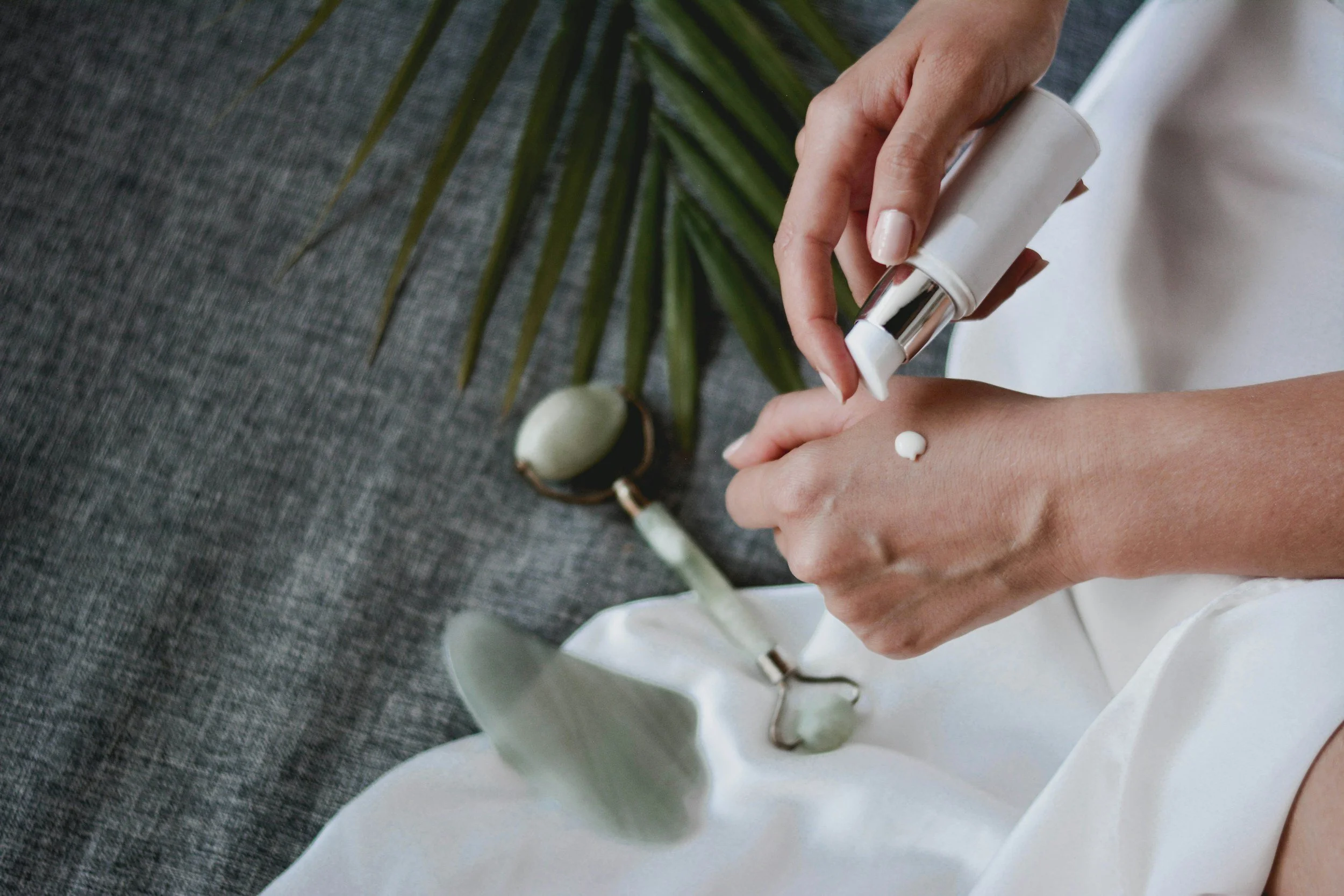
When winter arrives, lighter lotions usually don’t feel like they do enough, and that’s when richer creams come in. They sit better on the skin, provide better protection, and help retain moisture rather than letting it escape. That thicker texture might feel new at first, but your skin often appreciates the upgrade.
Ingredients suddenly matter more in colder months, so choosing formulas with ceramides and hyaluronic acid makes sense. Ceramides help strengthen the skin barrier, while hyaluronic acid holds onto moisture like a sponge. Together, they help your skin feel plumper, smoother, and less irritated by constant temperature changes and chilly air.
Applying moisturizer while your skin is still slightly damp can make a surprising difference. The product seals in residual surface moisture rather than allowing it to evaporate, so your face feels softer for longer. Think of it like locking the door after you’ve brought warmth inside your home and refusing to let it slip away.
Throughout the day, your skin may start pulling and feeling tight again, especially if you spend time outdoors or near heat sources. Reapplying then isn’t overdoing it; it’s just giving your skin what it needs. Winter skincare works best when you listen to how your skin feels and respond accordingly, rather than ignoring discomfort.
Prioritizing hydration inside and out
You can load up on fancy products, but if you barely drink water, your skin eventually shows it. Staying hydrated internally helps your body function better, and your skin benefits from it as well. Cold weather can make people forget to drink enough, so paying attention to that habit is essential.
Serums can play a huge role here, too, especially hydrating ones that go under your moisturizer. They deliver an extra layer of moisture and support the deeper layers of the skin instead of just sitting on the surface. When stacked correctly, they help your face feel fresher, calmer, and less stressed by winter conditions.
Humidifiers can quietly change everything without you even realizing it. They add moisture to dry indoor air and help prevent your skin from constantly losing moisture. Instead of waking up to tight, uncomfortable skin, you notice softness returning, making mornings feel more comfortable and your routine easier to manage.
Long, boiling-hot showers feel amazing when it’s freezing outside, but they don’t really do your skin any favors. Heat strips away moisture faster than you’d like and leaves your skin even drier afterward. Shorter, warm showers keep you comfortable without making your winter dryness worse, which your skin definitely appreciates over time.
Gentle cleansing to protect the skin barrier
Winter isn’t the season to attack your skin with harsh cleansers that foam aggressively and leave your face feeling squeaky. Creamy or gel-based formulas treat your skin more kindly while still doing their job. They cleanse without stripping away the natural oils your skin needs when temperatures drop, and the air loses moisture.
Harsh foaming washes can feel satisfying, but often leave your skin tight and uncomfortable afterward. That might feel “clean,” but it doesn’t help your barrier stay healthy. When your cleanser supports your skin rather than stripping it, everything else in your routine works better, and you reduce the constant dryness many people experience in cold months.
Exfoliation deserves attention, too, because overexfoliating in winter can do more harm than good. Removing dead skin is essential, but your face also needs time to recover. Cutting back a little helps prevent irritation, redness, and the burning sensation that sometimes occurs when your skin is already dry.
Even small habits matter, and how you dry your face is one of them. Rubbing aggressively irritates your skin unnecessarily, while gently patting keeps things calm. Those calmer choices stack up, and suddenly your face feels less inflamed, more comfortable, and far better prepared to deal with everything winter throws at it.
Wrap up
When winter arrives, you don’t need complicated routines, just smarter ones. A little extra moisture, kinder products, and some awareness about weather effects already take you far. Your skin prefers consistency, so when you provide protection and hydration, it usually responds well. With the right approach, winter skincare feels less like a chore and more like something that keeps you feeling confident and comfortable.
HOW DO YOU FEEL ABOUT FASHION?
COMMENT OR TAKE OUR PAGE READER SURVEY
Featured





A relaxed guide to sustainable resort wear: easy silhouettes, breathable fabrics, and versatile styles designed for beach days, slow mornings, and late evenings.