
How Climate Change Is Reshaping Modern Fashion
PAGE
By PAGE Editor
Fashion has always been shaped by its surroundings, but for most of its history those surroundings behaved within limits. Seasons followed familiar rhythms. Temperatures shifted gradually. Rainfall patterns were stable enough to plan around. Designers, manufacturers, and consumers built habits on those assumptions. Climate change breaks that foundation. It does not arrive as a trend or a theme, but as a condition that alters how fashion functions at every level.
Modern fashion now operates inside an environment that no longer offers predictability. Heat waves arrive earlier and last longer. Winters shorten or fluctuate wildly. Humidity increases in places once considered dry. These shifts affect what people can wear comfortably, how long garments remain usable, and how clothing performs in everyday life. The result is not a stylistic revolution, but a structural one.
What makes climate change especially disruptive is that it does not reverse. Temporary disruptions can be absorbed through discounts, marketing, or design pivots. Climate instability compounds year after year. Fashion is no longer adapting to an anomaly, but to a permanent change in baseline conditions. Understanding modern fashion without accounting for climate change means misunderstanding why clothing looks, feels, and functions the way it does today.
Climate Has Replaced the Calendar
For decades, the fashion calendar acted as a shared agreement between designers, retailers, and consumers. Spring collections assumed mild warming. Autumn collections assumed cooling air. Retail timelines followed those expectations with confidence. Consumers adjusted wardrobes accordingly, often without conscious thought.
Climate change dismantles that agreement. The issue is not simply that temperatures are higher. It is that timing no longer aligns. Heat arrives weeks earlier than expected. Cold snaps interrupt warm periods. Rainfall becomes unpredictable. Clothing designed for a narrow seasonal window often feels out of place by the time it reaches stores.
Designers now approach seasons as flexible ranges rather than fixed points. Garments are built to tolerate overlap. Lightweight outerwear replaces heavy coats. Breathable knits appear year-round. Layers are designed to work across shifting conditions instead of committing to a single climate moment.
Retail strategies follow this shift. Instead of betting heavily on seasonal launches, brands release smaller collections throughout the year. This reduces risk when weather diverges from forecasts. It also changes consumer behaviour, encouraging gradual adjustment rather than wholesale wardrobe replacement.
Marketing language evolves alongside design. Seasonal narratives lose authority. Practical descriptions gain importance. Consumers respond because their own wardrobes already reflect this reality. They dress according to forecasts, not months. Climate change quietly replaces the fashion calendar with lived experience.
Materials Under Environmental Pressure
Materials sit at the foundation of fashion, and climate change applies pressure at that level first. This pressure is physical, measurable, and increasingly difficult to absorb.
Cotton production illustrates the challenge clearly. Conventional cotton farming depends on reliable water access. As droughts intensify and water restrictions expand, cotton yields fluctuate sharply. Regions once considered dependable face inconsistent output. Brands encounter unstable pricing and uneven fabric quality as a result.
Wool production faces a different set of constraints. Rising temperatures stress animals, affecting fibre length and density. Heat waves increase mortality rates and reduce overall output in some regions. These changes disrupt supply chains built on long-standing agricultural assumptions.
Leather sourcing also becomes less predictable. Drought reduces grazing land. Extreme weather increases livestock losses. Combined with rising costs and regulatory pressure, leather becomes a higher-risk material for large-scale production.
In response, brands increasingly turn to materials that offer greater control. Recycled synthetics, regenerated fibres, and plant-based alternatives scale more predictably under climate stress. These materials depend less on rainfall and temperature stability, making them attractive from a risk perspective.
Material selection now involves climate exposure assessment. Designers and sourcing teams evaluate not only cost and appearance, but also environmental vulnerability. Climate change transforms fabric choice from a creative preference into a strategic decision.
Clothing Shapes in a Hotter, Less Predictable World
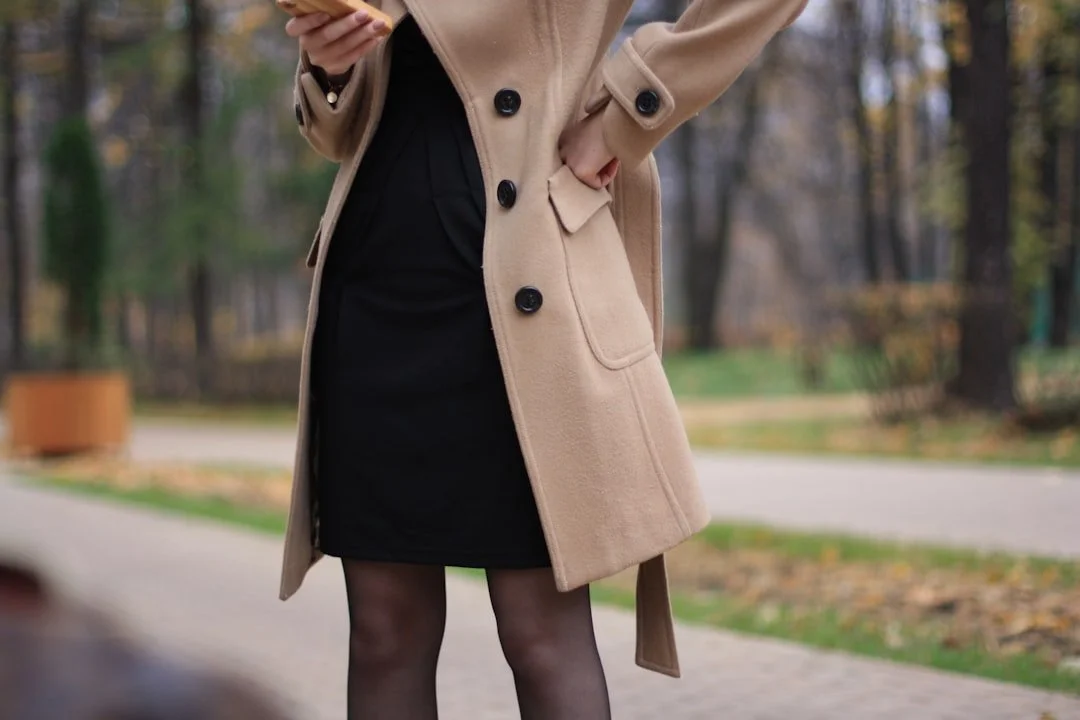
Climate change reshapes fashion at the level closest to the body. As temperatures rise and heat extremes become more frequent, clothing design responds through fit, structure, and fabric behaviour.
Tight silhouettes trap heat and restrict airflow. Under prolonged warmth, they become uncomfortable and impractical. Designers respond with looser cuts, wider sleeves, relaxed tailoring, and garments that allow air circulation. This shift appears across casual, professional, and even formal categories.
Fabric construction evolves alongside shape. Lightweight weaves, moisture-managing fibres, and reduced lining thickness appear in garments once defined by structure. Jackets lose heavy padding. Shirts prioritise breathability over stiffness. Even tailoring adapts, favouring movement and ventilation.
Urban environments intensify these needs. Concrete and asphalt trap heat, creating conditions significantly warmer than surrounding areas. People commuting, walking, or working outdoors require clothing that manages sweat and temperature without constant outfit changes.
Streetwear aligns naturally with these realities. Its relaxed proportions and layered adaptability function well under climate variability. What began as cultural expression now serves practical needs shaped by environment.
Designers also experiment with modular garments. Removable layers, adjustable closures, and convertible elements allow wearers to respond to changing conditions throughout the day. Climate change shapes silhouettes through repeated exposure rather than trend forecasting.
Supply Chains Under Climate Stress
Fashion supply chains were designed for efficiency and scale, not resilience. Climate change exposes their fragility at multiple points.
Extreme weather disrupts production hubs. Flooding damages factories and infrastructure. Heat waves force closures when working conditions become unsafe. These disruptions delay orders, increase costs, and create uncertainty across the industry.
Shipping faces similar challenges. Storms delay port operations. Rising fuel costs linked to climate instability increase transportation expenses. Delivery timelines become harder to guarantee.
Brands respond by shortening supply chains. Nearshoring production reduces exposure to climate risk and improves responsiveness. Smaller production runs limit financial damage when conditions shift unexpectedly.
These changes influence design decisions. When lead times shrink, collections become more focused. Brands rely on proven silhouettes and materials rather than large experimental runs.
Supply chain resilience now ranks alongside cost and speed as a core operational concern. Climate change reshapes fashion logistics from the inside, forcing structural change rather than surface-level adjustment.
Consumers Dressing for Uncertainty
Climate change affects consumer behaviour through lived experience rather than ideology. When weather becomes unpredictable, people adjust how they buy and wear clothes.
Versatility gains value. Garments that handle heat, light rain, and mild cold feel more useful than items designed for narrow conditions. Consumers gravitate toward clothing that reduces decision fatigue.
Durability becomes practical rather than aspirational. Clothing that lasts through variable conditions reduces replacement cycles. Repair services and resale platforms benefit from this shift.
Quantity declines while usefulness rises. People buy fewer items but expect more from each piece. This reflects adaptation rather than minimalism as identity.
Climate influence extends into shared spaces as well. In hospitality and retail environments, design choices prioritise materials that tolerate heat, wear, and frequent use, whether in uniforms, flooring, or seating, where elements like restaurant chairs must balance comfort, durability, and exposure.
Consumer behaviour shifts quietly, shaped by repeated inconvenience rather than messaging.
Fashion’s Direction in a Permanently Changed Climate
Climate change is no longer a temporary disruption for fashion. It is a permanent operating condition. Adaptation becomes embedded rather than highlighted.
The boundary between outdoor and everyday clothing continues to blur. Technical fabrics appear in casual garments without performance branding. Climate-aware design becomes standard practice.
Fashion education reflects this shift. Designers learn to consider climate variability alongside aesthetics and cost. Material science, durability, and adaptability gain importance.
The future of fashion likely involves fewer dramatic seasonal changes and more incremental refinement. Clothing designed to function across unstable conditions becomes normal.
Creativity remains, but within tighter physical limits. Designers innovate inside constraints shaped by environmental reality.
Climate change does not end fashion. It changes what survives, favouring clothing grounded in real conditions rather than assumptions that no longer hold.
HOW DO YOU FEEL ABOUT FASHION?
COMMENT OR TAKE OUR PAGE READER SURVEY
Featured



Bezel’s 2025 report reveals a tightening secondary market with rejection rates climbing to 38%, signaling a return to fundamentals—and spotlighting seven heritage-driven, technically credible watches poised to outperform in 2026.