
Healthy Lifestyle Inspiration: How Better Food Choices Can Improve Your Everyday Life
PAGE
By PAGE Editor
Exercise or stringent routines are not all that a healthy lifestyle is. It is also regarding the mini choices in day-to-day life that define energy, mood, and health over time. Of these decisions, food will play the leading role. Each meal will be the chance to either nourish the body or empty its stomach with meaningless energy. People tend to forget just how much food shapes their daily lives, from the way they wake up in the morning to how they wind down at night. In this article, we are digging into how smarter food choices can actually inspire a healthier lifestyle. We’ll look at energy, long-term health, the psychological perks, and some practical ways to stick with better habits. No products, no fads, just real, balanced eating that actually fits into a normal day.
The Connection between Food and Energy
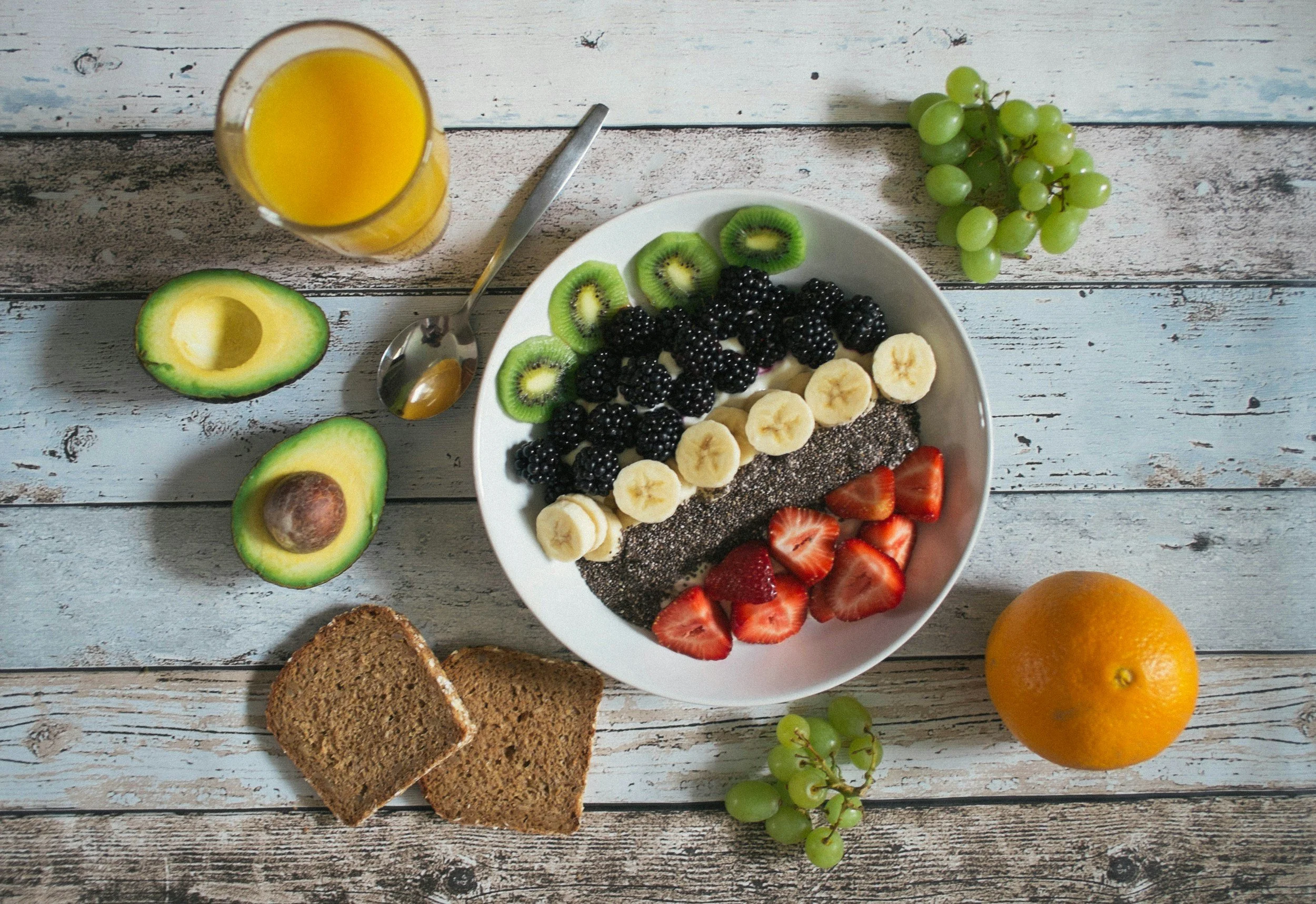
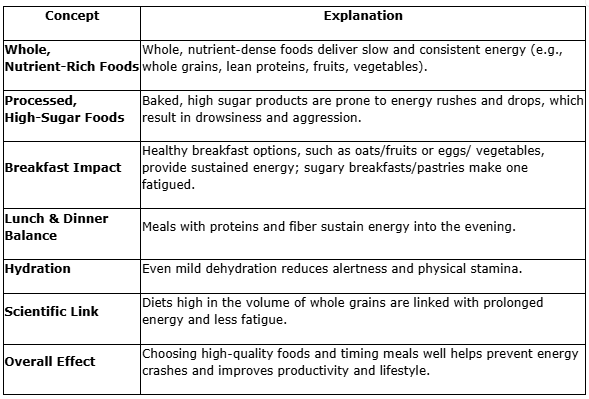
There’s a direct link between what you eat and how much energy you have, no mystery there. When you build your meals around whole grains, lean proteins, fruits, and vegetables, your body gets a steady stream of energy. You stay focused. You can actually get things done. Now, flip that around: eat a lot of processed food, sugary snacks, or refined carbs, and you’ll get a quick burst, then crash. You know that tired, cranky feeling that hits mid-morning? That’s often the aftermath of a breakfast loaded with sugar. Think about starting your day with oats and fruit or some eggs and veggies. You feel sharper, longer. Lunch and dinner matter just as much. A plate with protein and fiber keeps you going, instead of leaving you sluggish by late afternoon. And don’t forget water, being even a little dehydrated can make you feel foggy and slow you down. Research backs this up: diets high in whole grains help people maintain steady energy and feel less fatigued. It’s not just theory, it’s something you notice in daily life. By paying attention to what you eat and when you eat it, you can dodge those energy crashes and find a rhythm that actually works, making your days more productive and your life a little better.
Food Choices and Long-Term Health
Good nutrition is closely related to long-term health outcomes. To counter the risk of chronic illnesses like heart disease, diabetes, and obesity, balanced diets help reduce their risks. It is the principle of moderation and variety. There is no particular food to skip, but caution should be exercised.
Little tweaks to your daily meals can make a big difference.
Ditch sugary drinks like cola, packaged juices, or iced tea that's been sweetened to high heaven, and instead reach for a glass of water or a herbal tea.
Opt to eat lean proteins such as grilled chicken, fish, or boiled eggs over processed meat such as sausages, salami, or chicken nuggets.
Give your meals a boost by adding some veggies like a handful of spinach, a few carrots, or some bell peppers, and cut down on carbs like rice, bread, or noodles.
Try to cut down on the fried stuff and opt for baked or grilled instead. Swap fried chicken or pakoras for a grilled chicken or some baked vegetables or air-fried snacks.
These are not drastic changes, but pragmatic changes. They assist the body in maintaining a healthy weight, blood pressure, and cholesterol. As the research published in The Lancet shows, high-fruit and vegetable diets are closely related to reduced cardiovascular risk. This fact demonstrates that the daily choices related to food directly coincide with health security in the long run. With conscious decisions, individuals branch out to invest in their futures by not having to have complicated rules.
Psychological Benefits of Better Food Choices
Food shapes how we feel and think. Sure, it fuels our bodies, but the mind? It’s just as affected. Omega-3s, vitamins, minerals, they all step in to help with mood swings and stress. Hydration matters too. Even a little dehydration can make you cranky and scatterbrained. Think about a meal with salmon, a handful of walnuts, and some spinach on the side. That’s not just good nutrition; it’s brain support. The omega-3s in fish and nuts keep your mind sharp. Leafy greens and fresh fruit deliver vitamins that fight fatigue and keep your emotions steady. And don’t overlook water. Just staying hydrated can mean fewer headaches and a clearer head. Eat better, and life just feels a bit lighter. People usually notice they’re calmer, in a better mood, and actually want to get things done. That’s not a small thing. These mental boosts are part of what makes healthy eating so motivating. Food isn’t only fuel, it’s clarity, resilience, and a steadier mind, day in, day out.
Everyday Tools and Inspirations
Managing your health and food choices isn’t always easy, but modern tools sure make it feel a lot less overwhelming. Nutrition apps take the guesswork out of things. You snap a photo, scan a barcode, or just tap in what you ate, and the app does the math, calories, nutrients, all that. Suddenly, you know exactly where you stand and what you need to tweak. Some even suggest recipes or flash up progress charts, so it’s not just numbers but something you can actually see and use. Smart kitchen gadgets aren’t just for show, either. Digital scales help you nail your portion sizes without guessing, and appliances already know how to whip up healthy meals, saving you time and maybe even teaching you a few new tricks. Heck, even fridges are getting in on the action, reminding you what’s about to go bad and tossing out meal ideas with whatever you’ve got left inside. It’s not just about the tech, though. Apps and online communities give you a place to swap recipes, cheer each other on, and keep yourself honest. That motivation matters. All these tools together? They take the idea of healthy eating and turn it into something you can actually stick with, day in and day out.
And people are paying attention. Before downloading an app like Unimeal, they’ll dig through reviews of Unimeal and real stories to see what actually works. No one’s saying tech can do it all for you, but it definitely makes healthy routines feel more possible. You still have to put in the effort, but now you’ve got a lot more support along the way.
To make choices easier, here is a simple comparison table:
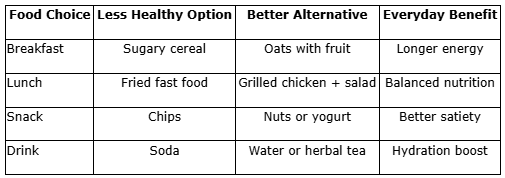
Such comparisons help people see that small adjustments can bring big improvements.
Conclusion
When it comes to living healthier, food usually sets the tone. Eat a little better, and you feel the difference, more energy, stronger health, a clearer mind. Staying on track isn’t easy, but tools help. Some people jot down meals in a journal. Others lean on friends or use an app to keep going. It all comes down to those tiny choices you make every day.
HOW DO YOU FEEL ABOUT FASHION?
COMMENT OR TAKE OUR PAGE READER SURVEY
Featured




Bezel’s 2025 report reveals a tightening secondary market with rejection rates climbing to 38%, signaling a return to fundamentals—and spotlighting seven heritage-driven, technically credible watches poised to outperform in 2026.